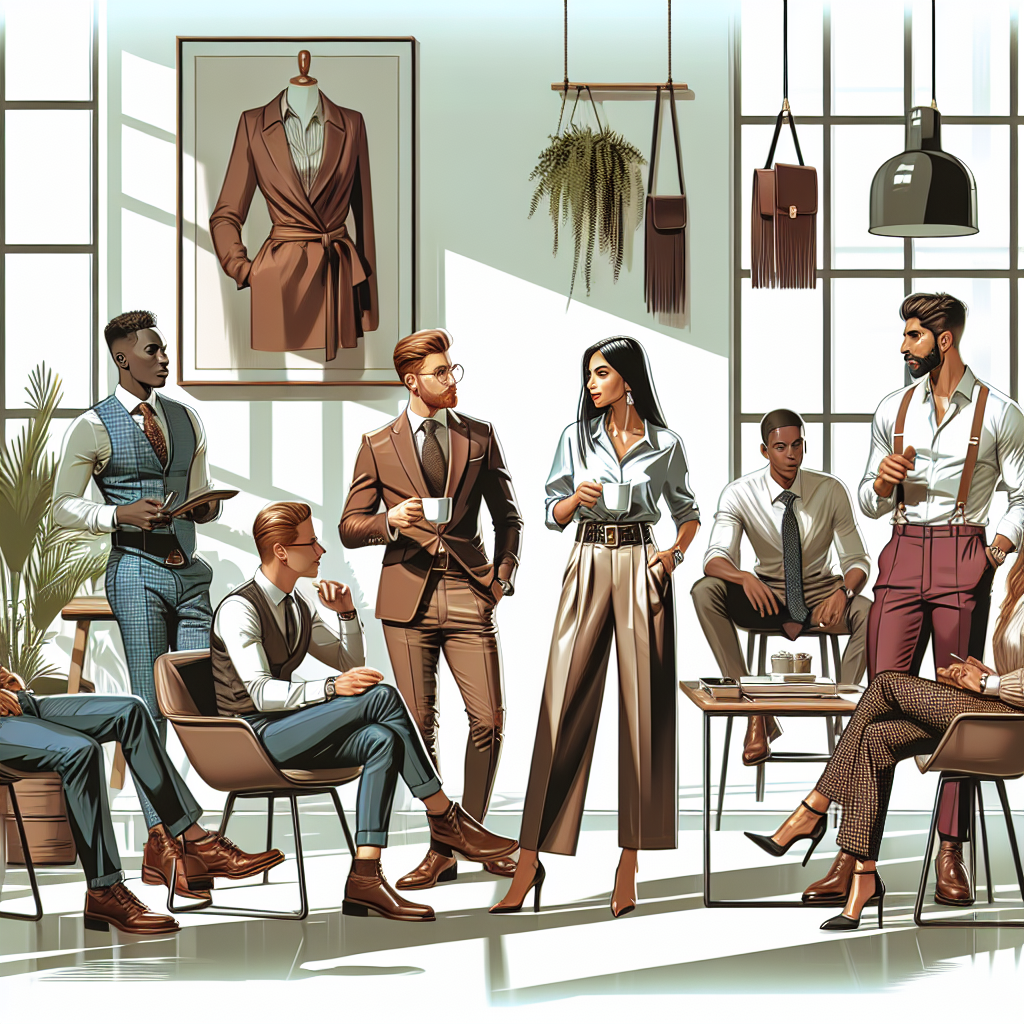
Have you ever walked into a workplace and noticed someone whose back was a little, well, too visible? It’s not just me, right? Recently, I came across a discussion on Reddit where someone working in retail sales shared their experience with a coworker who, let’s just say, had a habit of not wearing a belt. It sparked a curious thought: are belts going out of style, or are we just overlooking some fashion faux pas?
Let’s dig a bit deeper into this, with a hot cup of coffee at hand.
Belts: A Brief Historical Overview
First off, let’s take a quick stroll through history. Belts have been around for a while—since the Bronze Age, actually. But they didn’t become standard fare for men’s trousers until the early 20th century. Before that, suspenders were all the rage. Belts gained popularity as military uniforms ditched the braces and men sought the sleek look we associate with modern suits.
Interestingly, it wasn’t until the 1920s that belts became a staple in everyday men’s fashion—and largely for practical reasons. A belt offers a quick, easy way to keep your pants from slipping, creating a polished and tidy appearance.
The Beltless Trend: Is Less More?
So why resign the humble belt to a dusty closet shelf? It’s a fair question. For some, not wearing a belt is about comfort and a relaxed vibe. It’s aligned with the growing trend of “soft dressing” or “lounge wear,” a style many embraced during the rise of remote work.
You could also argue that shifts in fashion, like the preference for fitted clothing, might diminish the need for belts. But—and here’s a big but—there’s still an expectation, perhaps unwritten, that certain settings call for a more put-together look.
Professionalism vs. Personal Style
The Reddit post, like others, raises a significant point: balancing personal style with professional expectations. Many workplaces regard dressing the part as synonymous with professionalism. But, here’s the kicker—the interpretation of “professional” is evolving.
A 2019 survey by Korn Ferry found that nearly half of executives believe dress codes will be even more relaxed in the future. Even so, they’re still around. Part of dressing appropriately is understanding that some social norms still hold power, even as they slowly shift.
Insights from Fashion Experts
I reached out to a few fashion-savvy friends and experts for their take on this whole belt dilemma. Amanda Jansen, a corporate attire consultant, had this to say: “Belts cut a clean line between a top and bottom, offering structure. But their importance varies vastly by industry. Tech startups might lean liberal with dress codes, whereas law firms might stick to tradition.”
Likewise, fitting expert Brett Aikman adds, “It’s about balance. If your job emphasizes creativity, you might have more flexibility. But it’s never a bad idea to err on the side of dressier in environments that still value formal dress codes.”
The Belt Gift: A Tale of Workplace Etiquette
And what about gifting a belt? You might wonder if that’s the right move. According to Emily Post’s Institute of etiquette, it all hinges on delivery. If your gift of a belt comes accompanied by genuine good humor and camaraderie, it’s less of an imposition and more of a thoughtful gesture.
Takeaway: Fashion as a Dialogue
In conclusion, there’s no universal rule for belts or attire. It’s about context, comfort, and, importantly, communication. The best style is authentic yet considerate of your environment.
So, whether you’re a belt advocate or going beltless, think of style as a conversation—one that evolves, feedback considered. Now, while you’re pondering your next wardrobe choice, remember: sometimes, small tweaks make a big difference not just in wearing clothes, but in how we navigate our interactions.
**
About the Author