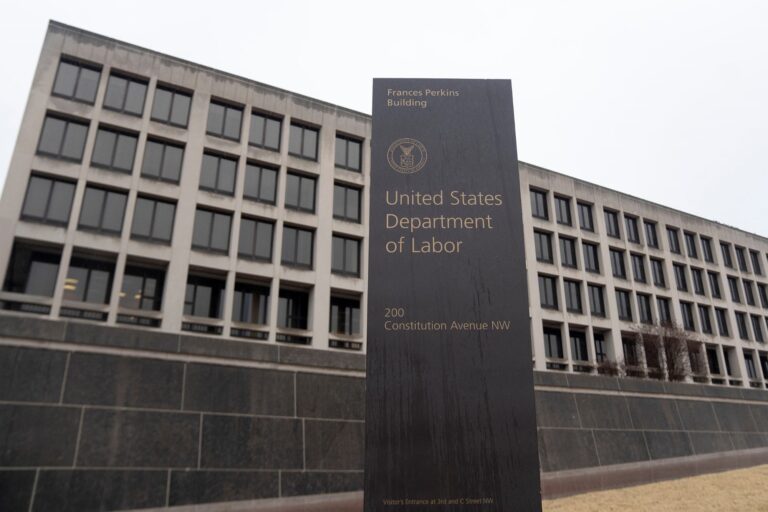
Let’s talk about something that feels like stepping right into a thriller movie, but more bizarrely, it’s real life: Ghislaine Maxwell, the enigmatic figure enmeshed in one of the most controversial criminal cases of the last decade, handing over a list of 100 names to the Department of Justice (DOJ) as part of a watertight pardon proposal. Isn’t that just crazy? But stay with me—I promise it gets deeper.
Who is Ghislaine Maxwell?
First things first, in case you’ve been living under a rock (no judgment here!), Ghislaine Maxwell is a British socialite who became notorious for her involvement with Jeffrey Epstein, a financier who was accused of a slew of heinous acts involving minor girls. She was arrested in July 2020 and has been serving a sentence for her role in a wide network of alleged child exploitation.
A Bold Move: The 100 Names
According to sources like The Daily Beast, which initially shed light on this, Maxwell’s lawyers purportedly shared a list of 100 names with the DOJ—a risky maneuver seemingly in pursuit of a pardon. Imagine giving up names of individuals possibly connected to criminal activities. It’s like tipping over the first domino in a long line of potential consequences. This move has been described as audacious, given the intricacies of the legal and political landscapes.
Why Would 100 Names Matter?
If you’re wondering why this list of names is such a big deal, let’s delve into a bit of history. High-profile cases often involve a web of connections, like strands in a spider’s web. The people involved range from accomplices to unwitting enablers to possible direct participants in wrongdoing. Each name represents threads of influence, secrets, and, most crucially, potential leverage.
A Brief History of Quid Pro Quos in Politics
This situation also serves as a classic case study of quid pro quo—a concept where someone gives something to get something else. While trading names for a pardon is uncommon, history is littered with barter deals, sometimes in the shadows of power corridors.
Consider President Gerald Ford’s pardon of his predecessor Richard Nixon after the Watergate scandal, which although not directly said to be a trade, left many pondering the dynamics behind presidential pardons. Such scenarios provoke intense public debate around ethics, power, and privilege.
The Implications of the Move
So, what are the implications here? For one, the legal repercussions for those named could be enormous. We’re talking about careers potentially ending, reputations shattering, and the broader impact on their families. Then there’s the public trust in the justice system, which could either be strengthened or damaged depending on how this is handled.
For Maxwell, handing over names seems to be a gamble aimed at securing freedom—or at least leniency. But at what cost?
The Ripple Effect
This isn’t just a drama for courtroom spectators. The ripple effects touch aspects of social justice, the integrity of legal processes, and transparency in law enforcement. As we become more informed citizens, these subplots invite us to reflect on the justice we aim to uphold.
Keeping an Eye on Developments
As this scandal unfurls, it’s essential to stay informed but cautious of rumors. The 24-hour news cycle, social media blurbs, and our culture of instant opinions sometimes muddy the waters of genuine understanding.
Ghislaine Maxwell’s move is certainly risky—a plea for bargaining power in an intricate legal chess game. Whether this strategy pays off for her, and what it means for the people named, remains to be seen. Meanwhile, keep sipping that coffee and mulling over the implications of this fascinating, yet troubling, development.
**
About the Author