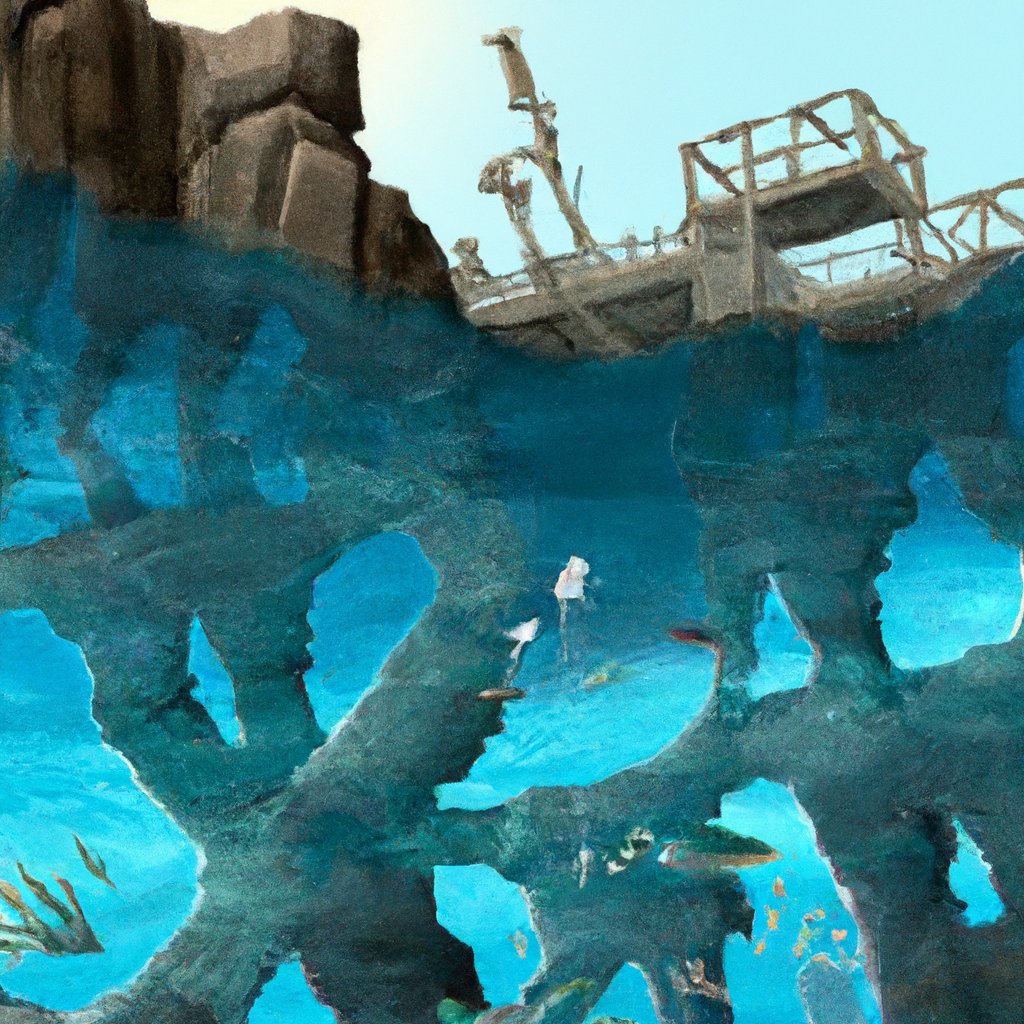
Imagine this: You’re walking along a beautiful sandy beach, a light breeze on your face, listening to the waves crash gently onto the shore. But out in the deep blue, something special is happening – blocks dropped into the ocean are starting to form new habitats for marine life. It sounds intriguing, right? Let’s dive into how this works and why it’s catching on with conservationists around the world.
The Ocean’s Concrete Jungle
It’s not every day you come across someone who thinks, “Hey, let’s drop blocks in the ocean and see what happens.” Yet this simple idea has roots in artificial reef projects, which might just be a boon for marine ecosystems. The concept isn’t exactly new, but its impact could be revolutionary (oops, let’s skip that word)—let’s say, impactful.
Artificial reefs aren’t a novel idea. For years, folks and scientists alike have been creating these ocean floor structures using everything from old ships to specially designed blocks, like those in the Reddit video mentioned. These blocks serve as the foundation for sea life to thrive, providing places where coral can attach, fish can hide, and ecosystems can flourish. It’s kind of like building an underwater city, tailored for aquatic creatures!
A Peek at the Science
So, why blocks? Coral, and many marine species, need a solid foundation to grow. Natural reefs are under threat due to climate change, pollution, and overfishing. The Great Barrier Reef, for example, has suffered severe coral bleaching events. But drop in some well-designed blocks, and voila! You’ve got a new playground for marine life.
A study by the Marine Ecology Progress Series highlighted how artificial reefs can increase localized biodiversity. They offer a stable environment where fish populations can recover and grow. Experts like those from the World Wildlife Fund note that these structures can help alleviate the pressure on natural reefs, giving them a chance to recover while still supporting marine life.
Real-World Impact
Countries like Japan and the United States are no strangers to this practice. In Florida, for instance, artificial reefs have been used to boost fish populations and support local fishing industries. In fact, since the mid-1900s, they’ve been experimenting with different materials to best mimic natural habitats.
One key element here is sustainability. Experts advocate for the use of materials that won’t harm the ocean environment over time. The blocks need to withstand harsh underwater conditions without deteriorating into pollutants—think of it as environmentally friendly city planning.
The Devil in the Detail
Of course, it’s not just about tossing any old block into the ocean. Strategic planning is crucial. The materials used, positioning, and the potential impacts on local ecosystems must be evaluated. It’s a delicate balance: you want to help the ocean without inadvertently causing harm.
It’s like tending to a garden; you wouldn’t just throw seeds everywhere and hope for the best. Carefully placing each block in prime locations to maximize their benefit requires knowledge and foresight. Experts use ecological models to predict how these structures will influence species distribution and ecosystem health.
The Bigger Picture
Ultimately, projects like these need backing, both financially and from the community. The technology surrounding artificial reefs needs advancing, alongside awareness-raising campaigns that ensure public support. Conservation isn’t just for scientists—it’s a task for all of us.
With global warming impacting sea temperatures and human activities putting strains on the environment, artificial reefs offer a beacon of hope. They symbolize our ability not just to take from the ocean, but to give back, and perhaps start to rectify some of the damage we’ve done.
As we sip our coffee and ponder the potentials, one thing becomes clear: the “blocks in the ocean” concept captures a necessary shift in how we think about marine conservation. It’s an intersection between human ingenuity and nature’s resilience—a reminder that while we’ve created many of these problems, we are equipped to play a part in the solution.
So, next time you stroll along a beach, remember there’s a whole other world beneath the waves, silently and steadfastly rebuilding, block by block. It’s an effort for us all, something to get involved in or simply appreciate the beautiful complexity of our blue planet.
About the Author