Subheading: A Journey Through the Life and Influence of a Wrestling Icon
Do you remember the first time you heard the name Hulk Hogan? For many of us, that distinctive moniker evokes immediate memories of a flashing TV screen, a pair of bulging biceps, and the electrifying charisma of a man who stormed into the ring with all the flair of a summer blockbuster. While recent speculation about his passing may have stirred emotions and nostalgia for wrestling fans, let’s take this opportunity to explore the true impact Hogan has had on both wrestling and popular culture, beyond the headlines of his mortality.
Early Days and Meteoric Rise
Hulk Hogan, born Terry Gene Bollea, came from a humble background in Augusta, Georgia, before his family relocated to Tampa, Florida. However, his larger-than-life persona and global fame were far from his early life. Initially, Bollea aspired to be a professional musician, but fate had a different kind of spotlight waiting for him. He was introduced to wrestling through local Florida circuit and soon took on mentors like Hiro Matsuda, a Japanese wrestler who pushed him beyond his imagined limits.
Hogan became a household name in the 1980s, largely due to his incredible presence in the WWE (then WWF). During this time, the sport of professional wrestling was evolving dramatically. It was no longer just about grappling skills; entertainment value became paramount. With Vince McMahon’s vision to expand WWF into a global brand, Hulk Hogan became both his champion in the ring and his flagship entertainment star.
The Birth of Hulkamania
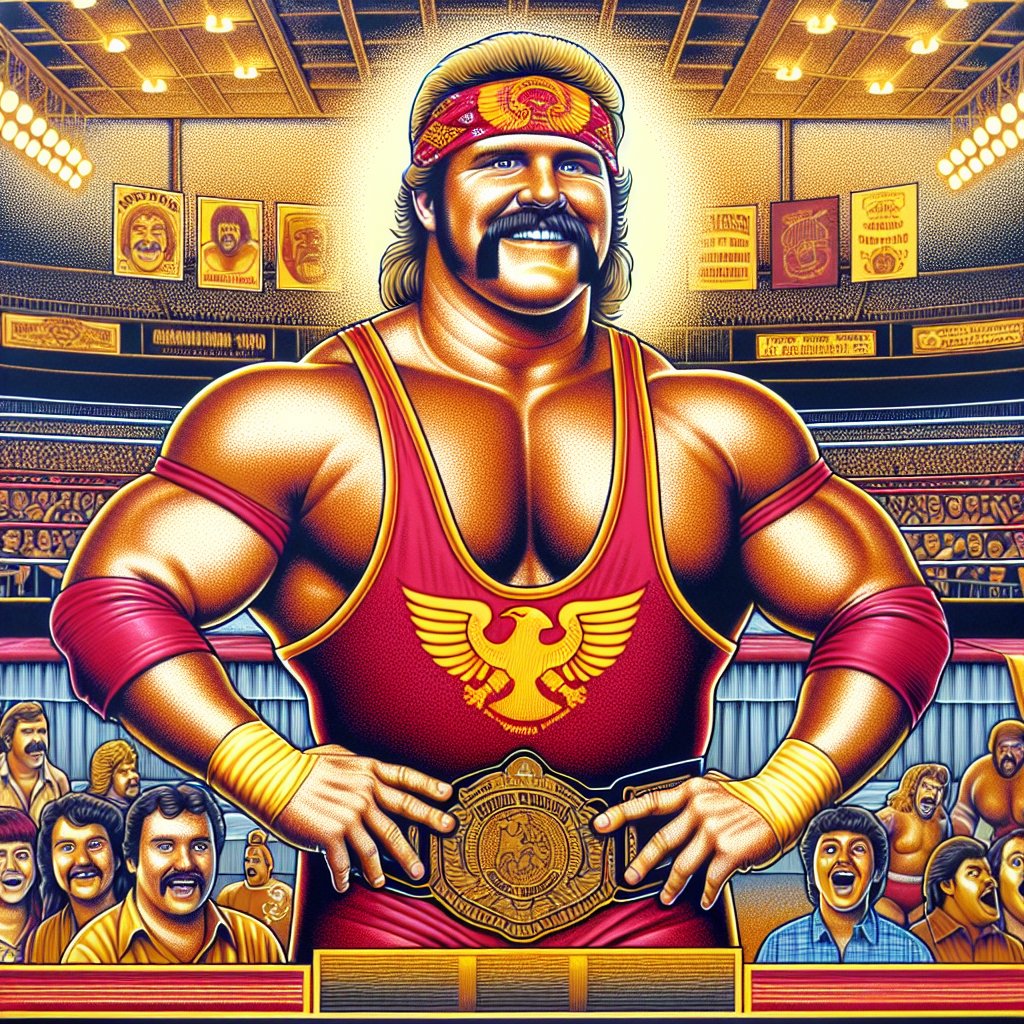
Enter Hulkamania—a phenomenon that marked a seismic shift in the wrestling landscape. Hogan was not merely a wrestler; he was a hero in the eyes of millions. He was the all-American good guy, draped in stars and stripes, with his trademark “24-inch pythons.” Hogan’s charisma played a crucial role in popularizing wrestling far beyond its traditional begruntled, bruiser image, bringing family-friendly entertainment to every household willing to embrace it.
Hulkamania wasn’t just a catchphrase; it was a cultural explosion. The 1985 WrestleMania, headlined by Hulk Hogan and Mr. T, set the stage for wrestling’s crossover into mainstream pop culture. Not only did it showcase wrestling as a form of entertainment, but it also elevated Hogan into an international icon.
Cultural Impact
What’s truly fascinating is how Hogan transcended wrestling. He starred in movies like “Rocky III”, stepped into reality television with shows like “Hogan Knows Best,” and even became a motivational figure, inspiring merchandise, cartoons, and public appearances that solidified his place in pop culture. His signature moves and catchphrases, such as “Whatcha gonna do when Hulkamania runs wild on you?” are etched into the memories of fans and casual viewers alike.
Beyond his entertainment endeavors, Hogan has served as a bridge between sports and charity as well. Through multiple philanthropic efforts, his influence continues to be felt in and out of the ring. The Hulk Hogan Foundation and his involvement with various children’s charities highlight a lesser-seen altruistic dimension of his life.
The Complex Legacy
However, like many figures of vast renown, Hulk Hogan’s story is not without its complexities and controversies. His personal and professional life has seen its share of ups and downs—from legal battles to controversies that deeply affected his public persona. Yet, in reflecting upon his journey, it’s essential to recognize both his magnificent triumphs and somber trials as part of his human story.
Despite it all, wrestling as a sport owes much of its mainstream appeal and success to this one towering figure. Hulk Hogan has ignited the imaginations of countless future wrestlers, contributing to a legacy ripe with inspiration, aspiration, and sometimes cautionary tales.
Conclusion
Whether he is in the spotlight or out of it, Hulk Hogan’s life has been one of captivating highs and treacherous lows, making him an indelible part of the annals of entertainment history. His charisma, showmanship, and contribution to the cultural zeitgeist extend his legacy beyond wrestling, creating ripples felt in television, movies, and philanthropy.
As we reminisce and reflect, remember the echoes of the “Hulkster” aren’t fading—his contributions continue to inspire beyond the arena. Hulkamania, in its essence, still runs wild.
About the Author