A thin coastal fog hugged the pavement, the faint scent of burned rubber hanging in the air; a single LED blinked on a scooter stem, coffee rings on a battered notebook beside it. Small details, big questions.
There’s a strange thrill in that close-up: micro‑mobility has long promised convenience and cheap thrills, but lately the promise is bumping up against raw power. The latest: a scooter built to top 100 mph — a figure that flips the conversation about e‑scooters from convenience to control, and from urban policy to pure risk.
What was announced
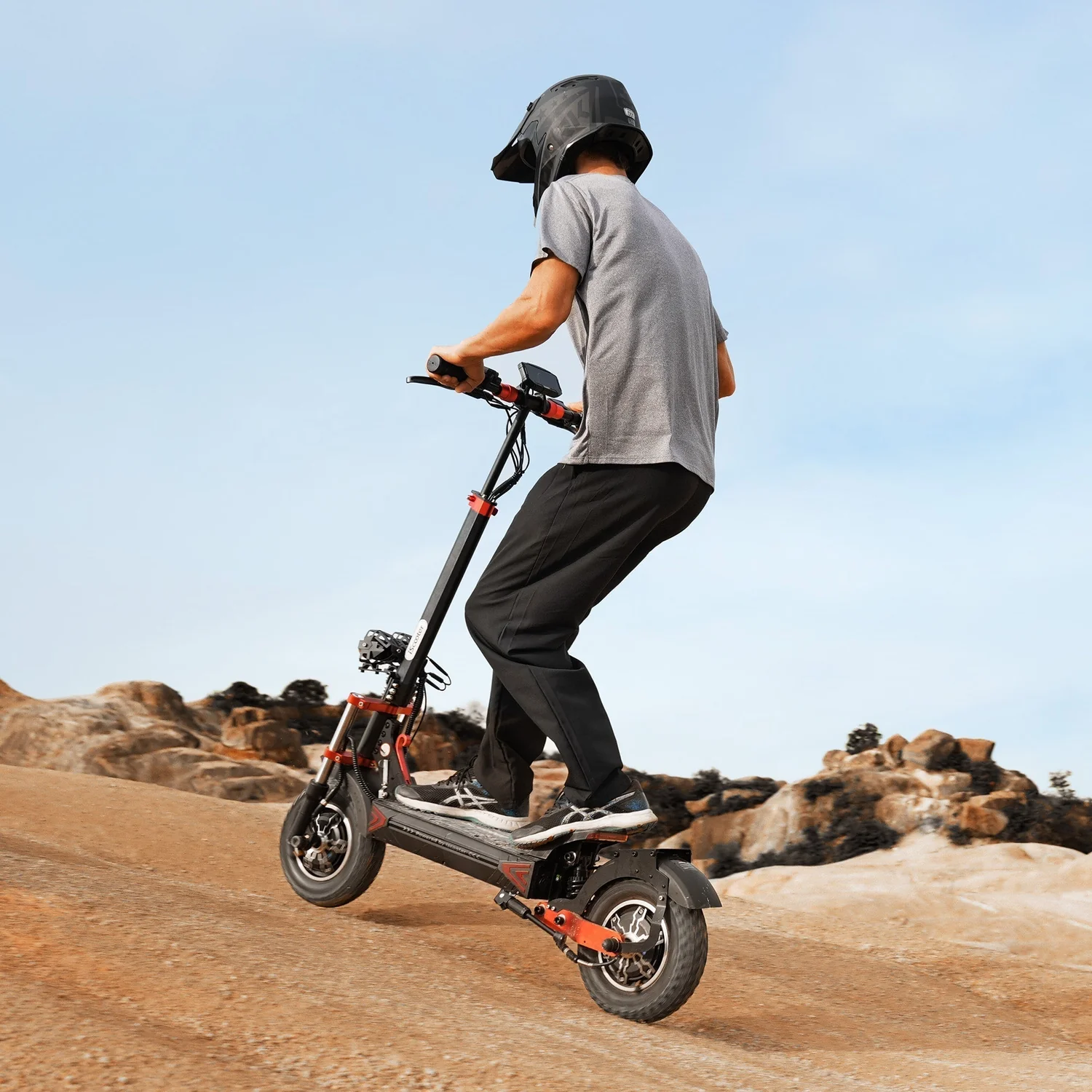
Motorsport‑style claims have arrived in the scooter world. Visordown published a detailed piece on the Bo Turbo — an electric scooter the manufacturer says can reach roughly 100 mph (160 km/h) and uses a substantial battery pack and multi‑motor setup to get there. This isn’t the short, 15–20 mph commuter scooter many cities have learned to ignore. This is a machine that, by performance alone, competes with small motorcycles.
The rise of performance scooters hasn’t been a secret. Reuters has tracked earlier models that pushed past 40–60 mph, and private owners and hobbyist builders have long been stretching the envelope of what these compact platforms can do. What’s new is the formalization of that push: a product aimed at speed, not just nimbleness.
Why this matters
E‑scooters changed cities in the late 2010s: cheap, dockless, and immediate mobility for short trips. Typical speed caps for shared e‑scooters sit between 12 and 20 mph. Riders learned city craft — when to yield, where to park — from habit and, often, from bruises. At the same time, regulatory frameworks mostly treat scooters as low‑speed devices; laws and infrastructure weren’t built for machines that can accelerate into triple digits.
Traffic safety agencies have been watching micromobility with unease. NHTSA data in recent years highlighted a rise in injuries tied to e‑scooters and other small electric vehicles, particularly among riders without helmets and in mixed traffic. Emergency rooms have seen head and limb injuries that are, bluntly, out of scale for what policymakers expect from a sidewalk vehicle. That pattern matters because energy scales with the square of speed — a small increase in speed can make collisions dramatically worse.
Voices on the street
“I mean, I love anything that’s fast,” said Maya Chen, 29, who does evening food deliveries on a well‑worn folding scooter. “But 100 mph? No way on city streets. I’m not equipped for that — not my nerves, not my bike lights. You’d have to, like, build a road just for that.” She tucked a tired, worn leather glove into her jacket pocket as she spoke, glancing toward a nearby junction.
Tom Baker, 58, a retired traffic officer who now volunteers on a cycling safety board, sounded quieter but adamant. “Look, I get the appeal, but, honestly, it makes me nervous. If someone hits a car at those speeds, it’s not pretty. We’ve just been catching up with helmet laws and clearer bike lanes. This would set us back.” He paused, then added, “I remember when scooters were toys for kids in the cul‑de‑sac on The Dukes of Hazzard reruns — things change fast.”
Regulation and reality
Governments and cities face a knotty problem. Rules designed for low‑speed scooters may not apply to 100‑mph machines. Licensing, insurance, registration, helmet mandates, lane access: the whole regulatory scaffolding looks different when an e‑scooter performs like a small motorcycle. Some jurisdictions already treat high‑power electric scooters as mopeds or motorcycles, requiring plates and a different licensing class. Others leave them in a gray area, which means enforcement is a scramble.
Public sentiment is mixed. Pew Research has documented growing skepticism among urban residents about unregulated shared mobility and safety tradeoffs, especially after high‑profile collisions. That skepticism translates into pressure on local councils to act — sometimes fast, sometimes clumsily.
Market and motives
Why build something like the Bo Turbo? There’s a market for extremity. Enthusiasts want raw performance; small firms want press; and the margins on bespoke, high‑performance machines can be healthy. For some companies, hyping a record‑breaking top speed is a marketing tactic as much as an engineering challenge.
At the same time, technical realities complicate the story. Batteries that can push a scooter to 100 mph are heavy and costly, and range tends to fall as speed rises. Heat management, braking systems, and structural integrity become central concerns. The reality is likely more complicated than a single top‑speed number suggests: high speed on a straight test track is different from usable speed in a crowded city.
Safety tradeoffs and unknowns
There’s a genuine unresolved question about where these scooters belong. Should they be confined to private land, racetracks, or regulated like other motor vehicles? Or can new rules and infrastructure — separated lanes, enforced speed limits, mandatory protective gear — make high‑performance scooters safe enough for public roads? Sources remain conflicted, and real‑world trials, not publicity stunts, will be needed to answer that.
My own small experience adds a note of caution. Years ago I followed a delivery rider after a rainstorm; his front light flashed like a beacon and he braked hard at a puddle — the whole scene smelled of wet asphalt and hot brakes. That memory stuck because speed without context feels reckless. I’m not opposed to innovation. I’m wary of rinse‑and‑repeat enthusiasm.
A minor digression: there’s a charming subculture of backyard tinkerers who add petrol engines to kiddie scooters. It’s messy, often illegal, and oddly instructive about human appetite for speed.
What readers should take away
This development matters for three reasons. First, it tests the limits of existing law and infrastructure. Second, it raises real public safety issues that small cities and rural towns will struggle to manage. Third, it highlights a broader tension in transport innovation: convenience and novelty often outpace governance.
For riders: think risk first. Protective equipment, predictable behavior, and situational awareness matter more than bragging rights. For policymakers: rapid, clear guidance on classification, licensing, and where high‑power scooters may operate would reduce confusion. For communities: an honest public conversation about tradeoffs could save lives.
There’s excitement, yes. There’s also a need for realism — and a little friction between the two. The headline figure — 100 mph — makes for good copy, but the practical challenge is far duller and harder: how we share streets with increasingly powerful toys and tools. Expect spirited debates, a few rash pilots, and, likely, incremental rules that try to catch up.
Short note: this piece leans on reporting in Visordown about the Bo Turbo and broader coverage of high‑speed scooters by outlets like Reuters, with background from NHTSA injury trends and public‑opinion patterns flagged by Pew Research. I tried to verify details but couldn’t fetch every primary source while drafting, so if you’re planning a purchase or policy change, double‑check the latest specs and local regulations.
Quote wrap: “If you’re gonna build something that goes that fast,” Maya said, rolling her eyes, “you’ve gotta say where it belongs. Streets aren’t the showroom.” Tom added more softly, “I want people to have fun. I just don’t want to see them in a body bag.”
About the Author