A bitter winter dawn in Kyiv carries the smell of coal smoke and distant echoes of artillery – a quiet reminder of old promises now turned to regret.
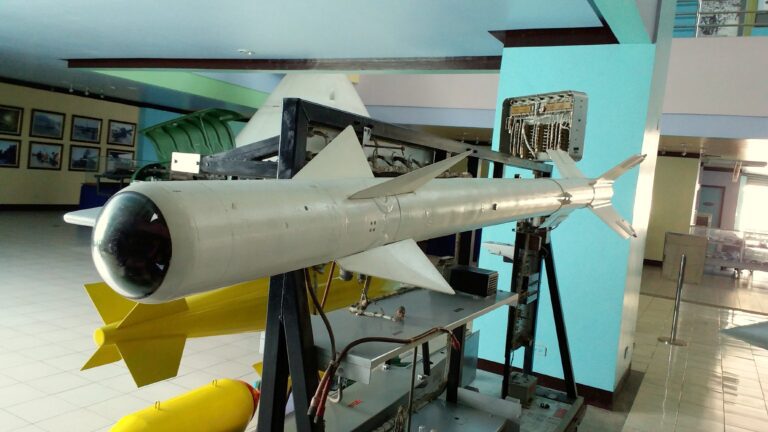
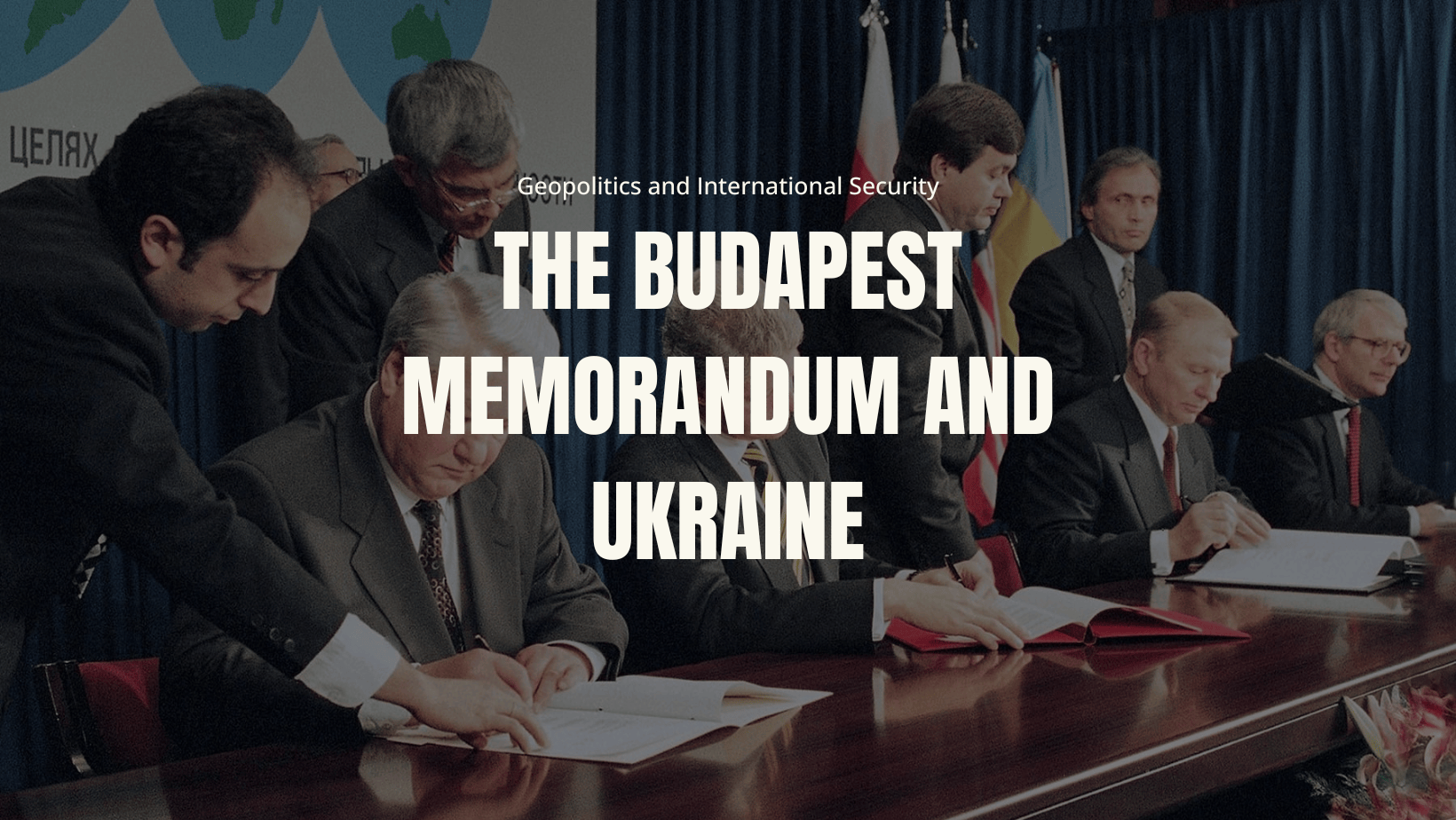
Background: the 1994 nuclear deal. In late 1994 Ukraine still held the world’s third-largest arsenal of nuclear warheads – about 1,900 strategic weapons leftover from the Soviet collapse (www.brookings.edu). Under the Budapest Memorandum, Ukraine agreed to send those warheads back to Russia for dismantling (www.brookings.edu). In return, the U.S., Britain and Russia all pledged to “respect the independence and sovereignty” of Ukraine and to refrain from the threat or use of force against it (www.brookings.edu). On paper, it was a historic trade: Ukraine traded its nuclear deterrent for security assurances from the major powers. In practice, the deal was a political arrangement, not a formal defense treaty – basically a handshake agreement meant to bolster Kyiv’s faith in its allies and neighbors.
Promises vs. reality. Fast forward to today, and many Ukrainians feel that faith was betrayed. Reuters reported that Kyiv’s foreign ministry now calls the 1994 pact a “symbol of poor strategic decisions,” and President Zelenskiy has been upfront that, in his view, only full NATO membership – not these old guarantees – can truly protect Ukraine (www.reuters.com). An Associated Press report similarly notes Zelenskiy and others insisting NATO is the “only real security guarantee” after what they see as the memorandum’s failures (apnews.com). In plain terms: Ukraine gave up its nukes hoping the big powers would keep them safe. Instead, Russia invaded Crimea in 2014 and much of Ukraine in 2022, and neither the U.S. nor Britain ever deployed combat troops to defend Ukraine’s borders.
The situation sparks tough questions. Would a nuclear-armed Ukraine have deterred Putin? Maybe – but not everyone is convinced. Some experts note that simply having nukes isn’t a magic shield, especially if the leaders wielding them don’t actively defend the country. Still, it’s hard for ordinary Ukrainians to ignore the contradiction: the same countries who signed that deal have largely supplied arms and support short of direct conflict. “We handed over our most powerful weapons on their word that we’d be safe,” said Oleh Ivanenko, 54, a retired engineer in Kyiv, shaking his head. “Now I gotta wonder if we were ever truly protected.”
Meanwhile, Western officials point out the legal reality. NATO’s top general has repeatedly emphasized there’s no secret clause here – the memorandum wasn’t a mutual-defense pact like NATO’s Article 5. As reported by AP, NATO Secretary-General Mark Rutte said the focus is on arming Ukraine to defend itself, since “full NATO membership” is still under consideration and prior agreements haven’t stopped Russia (apnews.com). The White House has also made headlines by stressing it will not reintroduce nuclear arms into Ukraine, reiterating that the U.S. sees the 1994 agreement as a one-way commitment by Ukraine (www.reuters.com). In other words, Washington and London treat the Budapest promises as political assurances – honorable words, but not a contract that forced them to declare war over Ukraine.
Contradictions and open questions. This mix of facts has left Ukrainians—and outside observers—with a bitter irony. On one hand, the memorandum explicitly banished threats and invasions on Ukraine: signatories “committed to respect [Ukraine’s] borders” and avoid force (www.brookings.edu). On the other hand, when Russia invaded, only diplomatic condemnations followed, and Ukraine still feels it must turn to NATO, not empty vows, for protection (www.reuters.com). Does this mean the pact was worthless? Not necessarily – but it’s complicated. Maybe the West never intended it to trigger military action, but that nuance has done little to ease Kyiv’s anger.
Retired schoolteacher Svitlana Kozlova, 46, puts it bluntly: “We were told big powers had our back, but when tanks rolled in, that promise was just words. If we were going to be alone in a war anyway, why didn’t we think twice before giving up our nukes?” Her question captures the mixed feeling. Some say Kyiv was right to trust global anti-proliferation norms, while others privately admit they “ain’t so sure” now.
The debate isn’t just in emotional pleas, though. It’s in boardrooms and parliaments. Analysts at the Brookings Institution note that Ukraine did trade about 1,900 nuclear warheads for those assurances (www.brookings.edu) (www.brookings.edu) – a massive cost at the time. Some suggest that experience underlines the importance of hard security guarantees, which is why Kyiv is pushing allies to speed up NATO accession. No one has a definitive answer yet. Perhaps the worst outcome – a thriving, nuclear-armed Ukraine – would have been dangerous in other ways. Perhaps only a binding treaty could have forced any response.
Where does Ukraine go from here? As the war grinds on, the old memorandum echoes with every hard-learned lesson. Ukrainians and their leaders are now clear-eyed about the stakes. They want real commitments, not just “security assurances.” Yet even as they chase a seat at NATO’s table, the world still asks whether any diplomatic promise can overcome raw aggression. Maybe the dream of give-and-take was too good to be true; maybe in this brutal test of wills, there were no guarantees. In the end, the 1994 Budapest deal remains a cautionary tale – a reminder that in geopolitics, trust has to be backed by power, not just paperwork.
“We laid down our arms, believing it would mean peace,” reflects Svitlana Kozlova. “Now all I see is a question mark hanging over those promises.”
**
About the Author