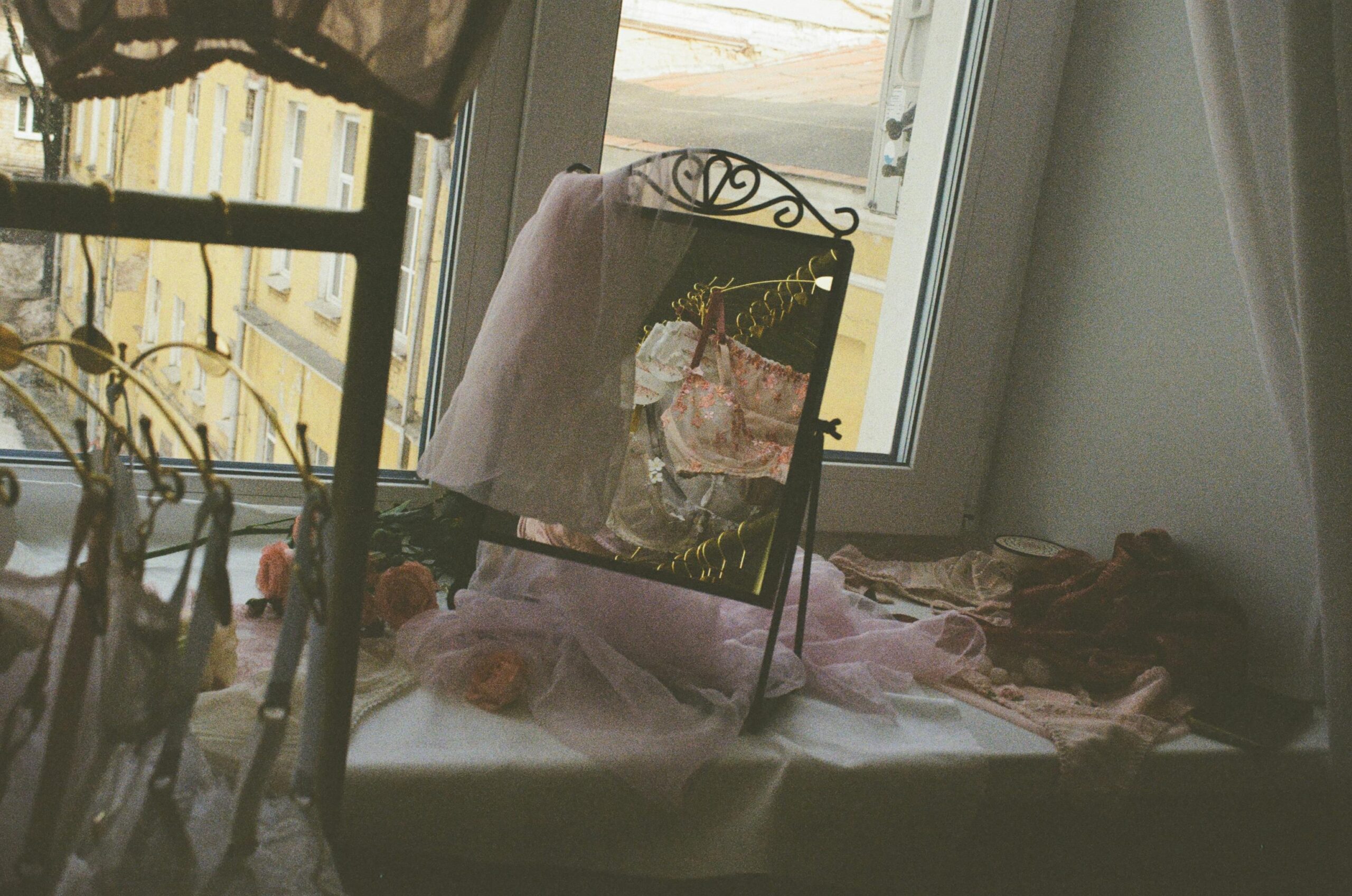
The hallway smelled faintly of old varnish; the single bulb hummed, and a coffee ring stained the windowsill. A small hand mirror caught the light, its edge nicked where someone once dropped it.
You’d think that simple mirror would be harmless — even clever. The idea that “looking far” is good for our eyes has circulated in break rooms and parenting forums for years, and it invites a tempting follow-up: if I can’t turn around, can I just use a mirror? The short answer: often yes for short-term relief, but not the same as going outside — and it won’t erase the big public-health story around myopia in kids.
What doctors mean by “look far”
Eye-care professionals use “look far” as shorthand for reducing sustained near focus: less time spent with the eyes locked on close screens or books. That relaxes the ciliary muscle and lowers the eye’s accommodative demand. In plain language: your focusing system gets a break. This is why many clinicians and public-health pieces from outlets like Reuters and institutions like the National Eye Institute have emphasized giving eyes regular long-distance focus — and why schools in some countries have added outdoor recess to their plans to curb rising rates of nearsightedness.
Optics of the mirror — the trick explained
Mirrors obey simple geometry. A flat mirror produces a virtual image that appears behind it at the same distance as the actual object is in front. So if a painting sits 30 feet behind you and the mirror is three feet in front, your brain treats the reflected painting as if it were about 30 feet behind the mirror. Your eyes can relax as if you were looking directly at that distant painting.
That’s the clever part. Short sentence. It works because the rays entering your eyes are identical to rays that would come from the real painting placed at the mirror’s virtual-image location. Binocular cues line up well enough for the brain to accept a far distance. You get the same accommodation benefit as with direct viewing — in principle.
Where a mirror falls short
There are a few practical caveats. The reflected light is usually dimmer and lower in contrast than the original scene, especially indoors. A small mirror limits peripheral visual context; peripheral blur and wide-field cues that happen outdoors are reduced. Bright outdoor light, which has been linked to protective biochemical effects in children’s eyes, can’t be replicated by a reflection in a dim hallway lamp. Trials and reviews gathered by eye-health organizations, including material from the American Academy of Ophthalmology, show that time spent outdoors — bright light, physical activity, broad visual fields — is a stronger, more consistent protective factor against childhood myopia than simple distance viewing alone.
“I tell parents, ‘If your kid can step outside, do it,’” says Dr. Clara Mendes, 46, an optometrist who runs a community clinic. “That sunlight matters in ways a mirror won’t replace. But if you’re stuck in a meeting and need a quick stretch for your eyes, glancing at a distant reflection will help you feel less strained — honestly, it’s not magic but it does something.”
A little science, a little nuance
Researchers still debate exactly which mechanism drives myopia rates up: sustained accommodation, peripheral defocus, circadian/light-driven chemistry in the retina, or some mix of all three. Some clinical studies show reduced myopia onset when children get more outdoor time; others suggest that simply breaking up near work helps. Sources remain conflicted about how much of the benefit comes from light intensity versus the act of looking far.
Practical advice you can use
If you want the mirror to do real work, make sure the reflected image reads as distant: use both eyes, choose a mirror large enough that the painting occupies a reasonable portion of your view, and check that room lighting keeps the image clear. Blink. Stretch. The 20-20-20 habit — every 20 minutes look at something 20 feet away for 20 seconds — still helps with digital eye strain, and a mirror can be a substitute for that brief look-away.
“For my job I stare at specs all day,” says Maya Chen, 28, a graphic designer who keeps a small stand mirror by her desk. “I’ll admit, I sometimes angle it to see the window behind me — it’s like a tiny escape. Not the same as sunlight, but my eyes feel less tense. And I feel a bit like I’m in an old detective show, which — I mean — that’s fun.”
Who benefits most, and who should be cautious
Adults seeking short-term relief from fatigue and near-focus strain will likely find mirror-looking useful. For children at risk of developing myopia, public-health evidence leans toward outdoor time as the stronger preventive tool. Prescription changes, progressive lenses, and behavioral strategies should be discussed with an eye-care professional before assuming a mirror will substitute for medical advice.
A small digression: once, in a thrift store aisle, I held a mirror up to watch a cat sleeping behind me. The cat blinked in slow motion; I thought of The Twilight Zone, and then I put the mirror down. It didn’t change the cat’s nap schedule. Strange, but true.
Final takeaway
Yes, a mirror can often produce the same relaxing focus as looking directly at something far away, because your eyes interpret the reflected rays as coming from a distant virtual image. Short-term relief and desk-time strategies can use that fact to good effect. The larger, population-level fight against childhood myopia — where bright outdoor light and time away from screens appear to be key players — is not solved by mirrors. In real life, do both: use reflections for quick breaks, and get outside when you can.
“I mean, it’s simple,” Dr. Mendes adds. “Use what’s handy. Mirrors are a trick in the toolbox, not the whole toolbox.”
About the Author