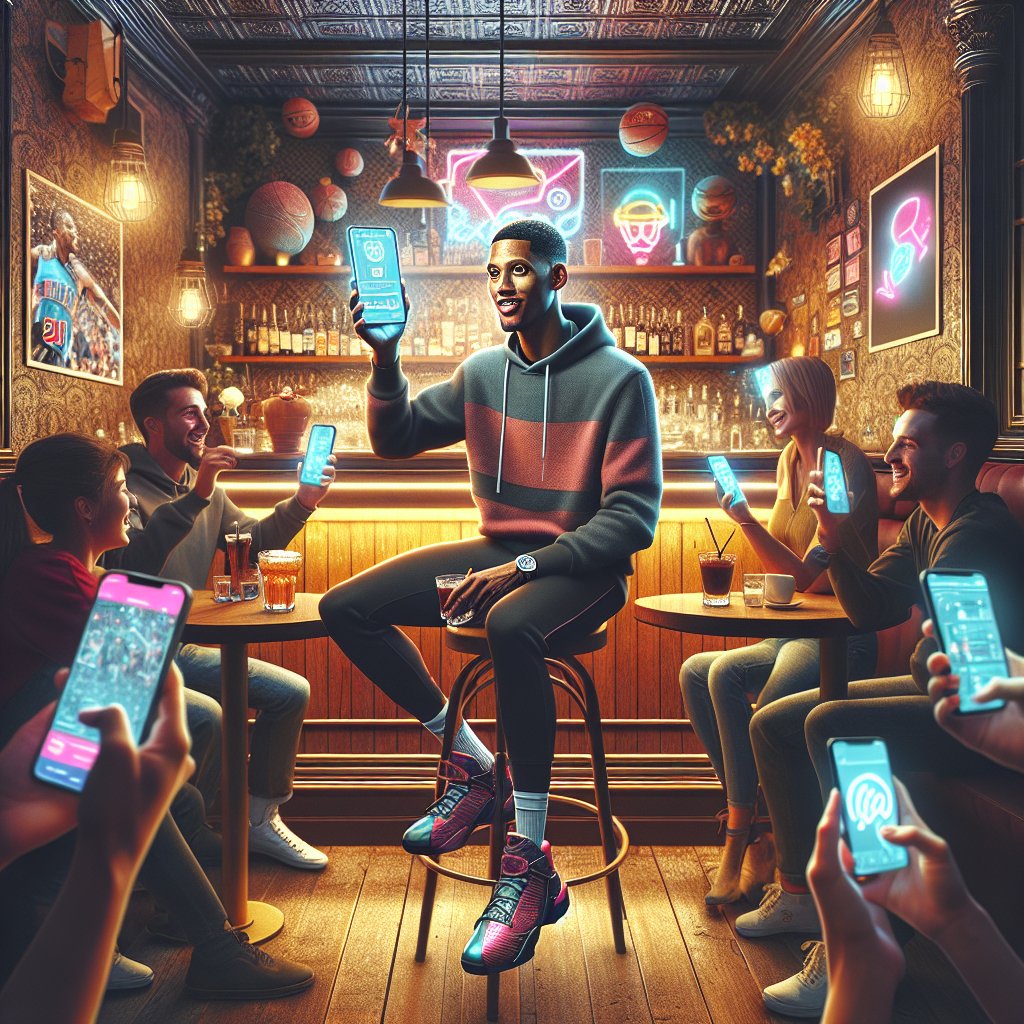
Living the Meme: The Unexpected Reality of Being an NBA Star
Imagine you’re an NBA player, a star athlete with a highlight reel most can only dream of. You’d think the spotlight only shines on the court, but that couldn’t be further from the truth. Instead, it follows you into every corner of life. Court, club, or café. Take Lance Stephenson, for example—best known for his antics with LeBron James. Remember the time he blew air into LeBron’s ear during a playoff game? Yeah, that’s the one. It was an iconic moment that went viral, turning into an endless deluge of memes and jokes.
But here’s the part we often forget: these digital quips have a shelf life much longer than a viral TikTok. In a recent candid moment, Stephenson shared an unexpected encounter in a Brooklyn club with a stranger repeating that signature “blow” sound at him—a situation that landed somewhere between hilarious and downright bizarre. This spectacle might seem entertaining to outsiders, but for Stephenson, it was a reminder of how player identities are minted in the realm of public perception.
When Memes Become More Than Just Memes
Off-court instances like these offer us a peek behind the curtain, revealing the intertwined lives of public figures and their personas. The “memeification” of sports stars isn’t entirely new, but the phenomenon is now on an unprecedented scale thanks to social media. According to a study by Global Digital Report 2021, over 4.2 billion people are active on social media, creating an ever-connected world where a single moment can quickly become sensationalized and immortalized.
For Lance Stephenson, a player whose style and charisma shine both on and off the court, the incident might have been a quip at a bar, but it reflects the broader dynamics of fandom and sports culture today. Players are often recipients of ongoing adulation or criticism—sometimes from the most unexpected places.
Sports Celebrities: A Day in the Life
The life of a sports celebrity extends beyond the game. Players often think they leave the court behind with the final whistle, but that’s wishful thinking. The truth? Fans are everywhere. They’re in bars, restaurants, on the streets, and yes, inevitably in their phones—ready to bring up memorable moments.
This omnipresence of fans raises an interesting question: How does it impact players psychologically? According to a study published in the journal “Psychology of Sport and Exercise,” athletes face unique stressors, including public scrutiny and loss of privacy, which can affect their mental health. While some may revel in the support, others may struggle with the constant attention, finding it hard to separate their personal lives from their professional personas.
Zoetrope of Stardom: The Circular Dance Between Fans and Icons
To better understand why fan interactions sometimes blur boundaries, let’s consider the environment of professional sports. Media coverage promises a digital gateway into an athlete’s life, creating an illusion of familiarity. The ease of access feeds the voracity of fandom, perpetuating a cycle of consumption that blurs the line between admiration and entitlement.
Sports psychologists often discuss this as a “parasocial interaction”—a one-sided relationship where a fan feels a connection with a player through media exposure, a concept first highlighted in the mid-20th century. Today, social media has exponentially magnified this phenomenon, creating highly personal but ultimately superficial relationships between fans and celebrities.
The Game Beyond the Game: Navigating Public Persona
Being an athlete is no longer just about winning games; it’s about managing a public persona. This balancing act requires players to embrace their roles as entertainers without losing their personal privacy. Lance Stephenson’s bar story might have been funny in hindsight, but it serves as a potent reminder: in today’s world, athletes are both performers and individuals, navigating fame’s fickle spotlight.
The life of an athlete today demands more than raw skill and talent; it necessitates resilience, adaptability, and a robust sense of humor. After all, having a stranger re-enact a meme at the bar could become an everyday chapter for those living in the fishbowl of fame.
In closing, whether you’re a meme, a team hero, or both, every sports star is ultimately just human—balancing on the precarious tightrope of public perception.
About the Author