The monsoon smelled of wet asphalt and diesel outside my window, with the faint clack of a rickshaw fading down the lane and a coffee ring on my battered notebook. The atmosphere felt small and strange.
It made me think about how a single policy move can reverberate in surprising places — from a dry bureaucratic file to the hangar where a mechanic checks a blinking console. A pause on a defence purchase is rarely just a line-item delay; it is a tiny, noisy measure of diplomatic strain.
What’s changed, and what was paused
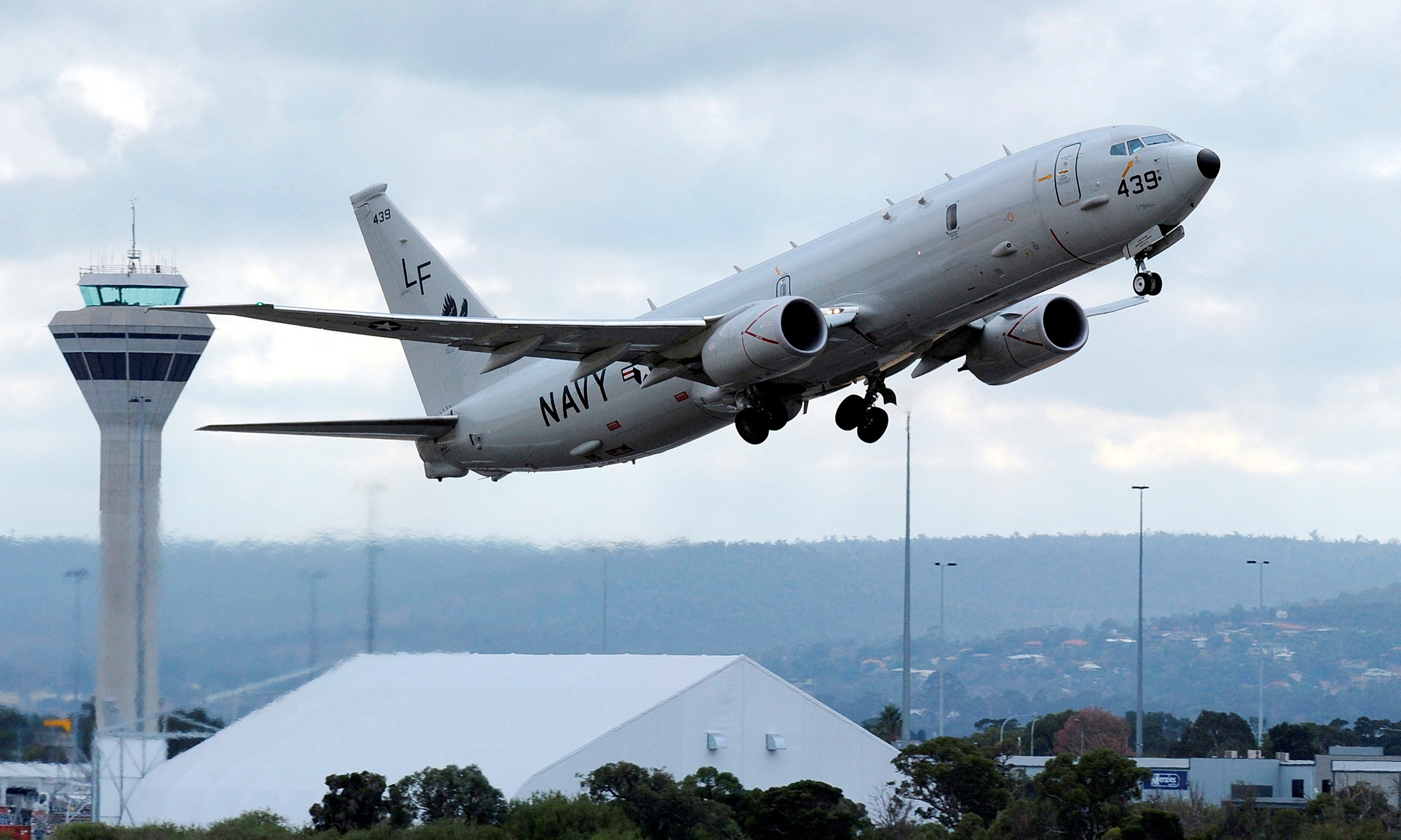
Indian officials have reportedly put a $3.6 billion purchase of Boeing aircraft on hold after U.S. tariff moves that add roughly half the cost to certain imported components. The Financial Express reported the deal involved six additional P-8I maritime patrol aircraft, a programme originally cleared by the U.S. State Department in 2021 for about $2.42 billion. (financialexpress.com)
The pause has been described as a strategic reassessment by defence sources, prompted by the sharp spike in project costs — a jump traced in part to recent U.S. tariff actions. Reuters captured early signs that procurement discussions were stalling and that planned defence engagements between the two countries were being reconsidered after the White House’s tariff moves. (reuters.com)
A tariff shock from Washington
The tariffs in question are part of a broader set of U.S. measures announced this summer that, in places, have amounted to a 50% levy on certain imports. The White House framed some of those steps in national-security terms, and the tariff plan has been rolled out in stages, with specific effective dates for some metals and components. Markets and procurement teams reacted quickly to the sudden rise in input costs. (cnbc.com)
Why the price jumped
Military platforms like the P-8I aren’t bought as single objects; they are bundles of sensors, avionics, wiring looms and foreign-made subcomponents. When tariffs raise the price of a subset of those inputs, the manufacturer — Boeing in this case — often adjusts the final contract price to reflect higher supplier costs, pushed down the chain to the buyer. The Financial Express piece traced that dynamic as a key driver of the near-50% rise some defence sources mentioned. (financialexpress.com)
“It’s maddening, really,” said Ravi Menon, 58, a retired defence procurement official who spent decades negotiating contracts. “You plan for five years, then some other government decides to slap on new levies and — well — everything changes. We gotta rethink, and quick.” His voice dropped a little when he mentioned pilots and crewmembers waiting for updated maritime patrol coverage. He keeps a worn leather folder. I saw the coffee ring where his hand rested.
Political ripple effects
Trade policy has become diplomacy in plain clothes. The tariff moves have already forced the cancellation or postponement of high-level defence visits and led to public expressions of displeasure from New Delhi, signalling strains that go beyond balance sheets. Some analysts warn the pause could be temporary; others say it marks a broader recalibration of how India sources critical platforms while balancing relations with multiple suppliers. Reuters reported Indian officials denying a formal suspension in some cases, illustrating the fog common to fast-moving diplomatic disputes. (reuters.com, financialexpress.com)
“It remains unclear whether this is a firm walkaway or a pause to get a better price,” said Anjali Gupta, 34, an airline maintenance manager in Mumbai who’s watched fleets go in and out of U.S. shops for retrofits. “I’m not an expert in geopolitics, but I can tell you costs hit the hangar first — and then people start worrying.” She laughed a little, then added, “You don’t want your patrols short because paperwork got messy.”
A mild contradiction: official lines vs. on-the-ground reports
The official picture is blurry. New Delhi has pushed back publicly against some characterisations, labelling some reports exaggerated even as multiple outlets carry unanimous accounts of stalled talks. Sources remain conflicted on whether any legal order has been issued to halt procurement, or if ministries are simply pausing active negotiations while they study the numbers. The reality is likely more complicated.
Potential wider consequences
If the pause persists, consequences ripple: capability gaps in maritime surveillance could widen as P-8Is were intended to strengthen anti-submarine patrols in the Indian Ocean; Boeing could see delayed revenue and a hit to its win-rate in future Indian bids; and both capitals may find their broader strategic partnership feeling less steady. Financial markets and suppliers that feed into aerospace supply chains will be watching. The Financial Express flagged coincident aviation maintenance moves — Air India sending legacy 787s for retrofitting in U.S. facilities — which complicates a simple bilateral calculus. (financialexpress.com)
A human, messy edge
I’ve been on enough tarmac-side briefings to know that these moments are threaded with personalities. I remember an old Air Force colonel once telling me — in a tone that mixed pride and exasperation — that defence procurement is like casting a long, complicated movie; the script keeps changing and the cast gets grumpy. (Yes, a Hill Street Blues anecdote popped into my head; couldn’t help it.)
So what now?
There are a few routes forward: renegotiation with price offsets, legal or diplomatic appeals, trimming the scope of acquisition, or seeking suppliers from elsewhere. Each carries trade-offs. Some options may preserve capability at higher near-term cost. Others preserve the ledger but leave strategic gaps.
No clean endings here. Negotiations are likely to be slow work, punctuated by press releases, guarded statements and a fair share of bureaucratic fidgeting. The pause tells a larger story about how trade tools are being used as levers of statecraft — and that even carefully planned defence programmes are vulnerable to sudden policy shifts.
“I’ll sleep easier when I see the aircraft up in the sky doing its job,” Ravi Menon said. “Until then, we watch. We wait. We measure.” He paused, then, with a wry tone: “Feels like the old days of bargaining at a bazaar, frankly.”
A small, unexpected detail before I sign off: a paper airplane — folded hastily, nearly perfect — sits on my desk, a leftover from a child’s visit, and a quiet reminder that even the biggest geopolitical decisions eventually land somewhere small and human.
Sources and context: reporting in Financial Express first drew attention to the $3.6 billion pause and the 2021 clearance price reference, while Reuters documented the broader diplomatic fallout and mixed official responses. CNBC’s coverage of the U.S. tariff rollouts helps place Washington’s moves on the policy timeline. (financialexpress.com, reuters.com, cnbc.com)
About the Author