The faint scent of avgas, engine hum steady, and a coffee ring on the kneeboard as the little plane yawed into dusk.
That quiet moment — ordinary and oddly intimate — makes the video more than a stunt. It prompts a question most viewers won’t say aloud: what separates a classroom exercise from a life-or-death maneuver?
A calm voice in a spinning cockpit
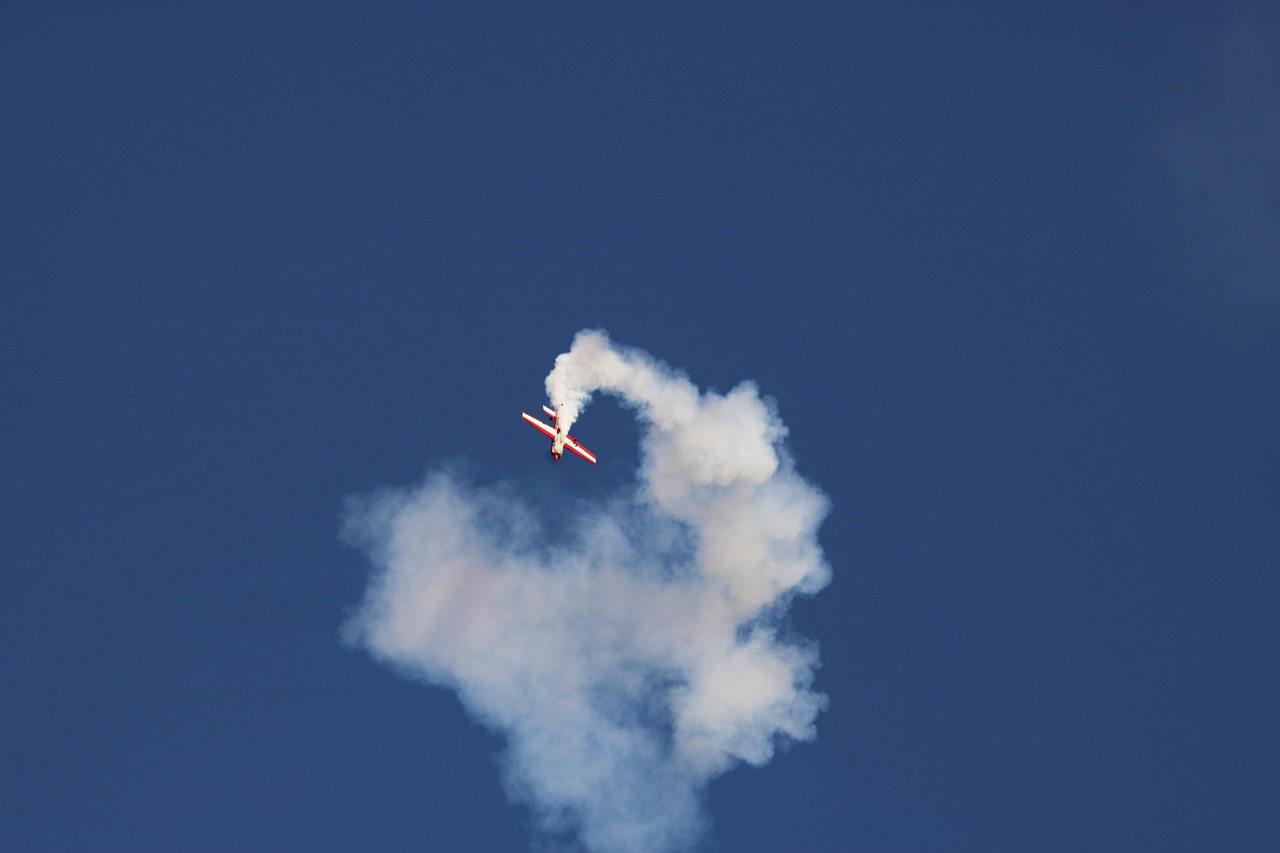
What you see in the clip is straightforward on its face: an instructor, voice unhurried, telling a visibly tense student exactly when to push, when to neutralize, when to apply opposite rudder. The airplane rotates once, twice; then the nose drops, and the spin unwinds. The whole episode lasts less than a minute. The audio captures a practiced steadiness that, for many, is the real story.
Spin recovery is one of those skills that sits at the intersection of technique and temperament. The Federal Aviation Administration has long listed loss-of-control as a leading cause of fatal general-aviation accidents, and the NTSB’s historical reports point to spins as an outsized contributor when training, aircraft capability, and situational judgment misalign. Reuters has covered similar viral clips before, noting how online playback can teach and mislead at the same time.
Why the clip matters
Training matters. A spin isn’t a cinematic mattress fall; it’s an aerodynamics puzzle: stalled wings, asymmetric lift, and a grave tendency to tighten the turn without corrective inputs. Proper recovery — push the nose down to break the stall, neutralize ailerons, apply opposite rudder, then level out — sounds simple on paper. It takes muscle memory, timing, and a calm presence in the cockpit.
Ethan Ramsey, 46, a flight instructor at Blue Ridge Aviation, watched the video twice before he spoke. “You can tell the student was breathing fast — you hear it — and the instructor, he’s quiet. Real quiet,” Ramsey said. “That calm saves time. It buys the student the pause they need to do the right thing. I gotta say, it was textbook, but not everyone gets that.”
Still, the situation is shaded. Many primary trainer aircraft aren’t certified for intentional spins, and formal instruction varies. The FAA encourages upset-recovery training in approved aircraft and with qualified instructors; some schools offer simulators, others take students up in aerobatic-capable planes. Pew Research has observed that audiences increasingly judge complex technical moments in seconds, often missing context. The reality is likely more complicated than a clip.
What the video tells us — and what it doesn’t
The clip demonstrates a successful recovery, but it leaves questions open. Who cleared the maneuver? What aircraft model was used? Was this a controlled lesson or a spontaneous emergency? Those details matter. Sources remain conflicted on whether some viral spin videos were staged for social traction or genuinely instructional.
Maria Lopez, 24, a private pilot student who saw the clip before her own spin lesson last month, said, “I watched it and thought, oh wow — but I was also kind of scared. My instructor was patient with me later, like, ‘we’ll do this slow.’ That helped. I, um, almost cried when I first pulled out of a steep spiral.” Her voice softened on the line; the image of a worn leather headset and a crease on a training checklist came through as vivid as the memory.
Safety, training, and online influence
There is practical fallout. Viral cockpit clips can spur other students to mimic maneuvers without proper supervision. NTSB archives and FAA guidance both caution that replication by untrained pilots in uncertified aircraft can end disastrously. At the same time, such footage can be a catalyst for better training: some flight schools now use short clips as conversation starters, then pivot to simulator drills and formal syllabus work.
An uneasy tension exists between transparency and risk. On one hand, video demystifies what was once hidden in cockpit lore; on the other, a clip distilled to thirty seconds strips away preflight briefing, risk assessment, and the instructor’s credentials. YouTube comments and social threads may cheer an apparent triumph while missing the preparatory dots.
A brief digression: my own lesson
I remember a lesson decades ago (no, not from Top Gun — think more Twilight Zone reruns and a battered logbook). My instructor tapped the throttle, said three words, and the panic receded. I still keep a doodle of that kneeboard corner in my notebook. Little things stay with you.
Practical takeaways for readers
For anyone watching such clips and feeling inspired: don’t try this alone. If you’re curious about spins, ask your flight school about structured upset-recovery programs, simulator time, and whether the aircraft is spin-approved. Ask who’s in the right seat. The video teaches calm, but practice builds competence.
A small, abrupt aside: Training saved them.
Closing note — nuance and the unknown
This episode offers reassurance that training can work. It also raises a modest puzzle: popularity drives content that both educates and entices, and regulations, pedagogy, and social-media dynamics aren’t always in step. The clip is useful, instructive, and still incomplete — a reminder that aviation safety is as much about questions as about answers.
“People see the ending and think that’s all it takes,” said Dr. Susan Park, 52, an aviation safety researcher. “But the prep, the brief, the instructor’s experience — those are invisible. Watching is not the same as being ready.” She exhaled lightly on the call. “I’m glad it ended well. I’m also a little wary.”
Unexpected small detail: the instructor’s old Timex still read 10:10 in several frames, a small relic of routine in an otherwise kinetic moment (a curiosity I couldn’t quite shake).
If nothing else, the clip reminds viewers what seasoned pilots already know: calm can be taught, and the right voice at the right moment can change an outcome. For the rest of us, the value is practical and moral — learn from it, but learn the whole lesson.
About the Author