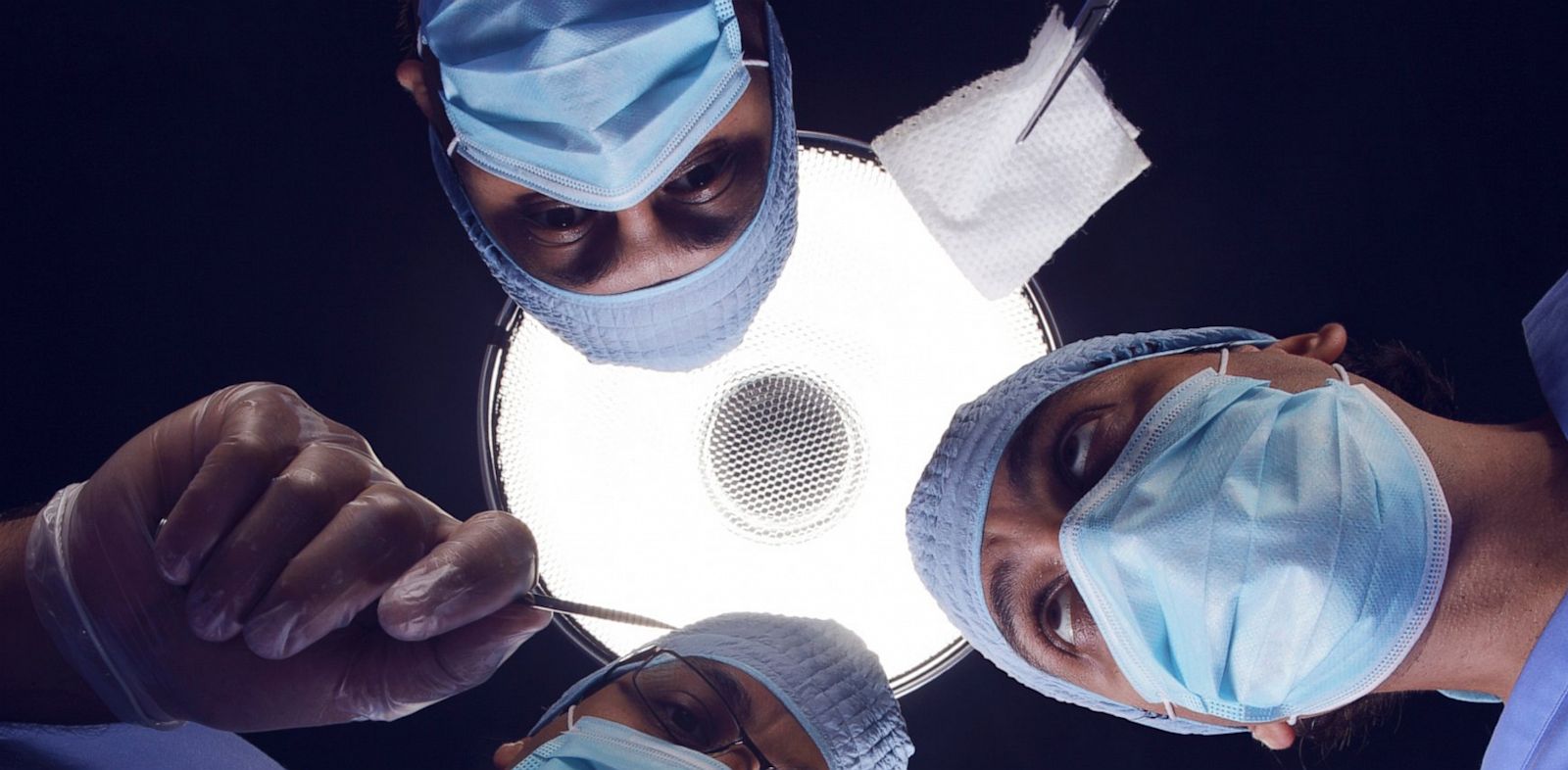
In a quiet hospital corridor, the antiseptic sting filled the air and monitors hummed softly. Harold Jacobs, 58, a family friend of the patient, said, “I never thought I’d see anything like this.”
The Surprise “Wake-Up”
Last fall in rural Kentucky, doctors declared 36-year-old TJ Hoover II brain-dead after an overdose — a routine step before organ donation. Family and nurses gathered for an “honor walk” as he was prepped for surgery. Witnesses later reported that TJ suddenly opened his eyes and began moving on the operating table, just minutes into the harvest. An alarmed surgeon interrupted the procedure, saying the patient had regained signs of life. By then TJ had been sedated and even paralyzed for surgery; a NOKA surgical coordinator recalled that staff saw him convulse and cry. They promptly stopped the harvest. Miraculously, TJ lived — though he now suffers PTSD after the ordeal. His sister Donna (paraphrased from news interviews) says he “lived to tell” what happened, and that “he fought for his life…and he’s still here.” Meanwhile, the nonprofit Network for Hope (parent of Kentucky Organ Donor Affiliates) has publicly stated it will review and tighten its protocols, calling donor safety a “sacred responsibility.”
Systemic Red Flags
That Kentucky incident was no isolated fluke. In Washington, Congress is scrutinizing the national organ procurement system. The U.S. has 55 regional organ-procurement organizations (OPOs) and dozens of transplant hospitals, a complex network overseen by different federal agencies. It turns out oversight had gaps. A 2025 health department probe found 351 pending donations they watched, and flagged 73 cases where patients still showed brain activity — and in 28 of those, the sake of donation markers suggested the patient might not have been fully dead when organs were taken. Reuters reported that this prompted the Health Department to force reforms: OPOs must track any time a procedure is halted for safety reasons, and the Kentucky OPO faces decertification unless it fixes protocol failures.
In normal times these glitches are vanishingly rare. Organ donation overall is a remarkable success: thousands of transplants happen each year, saving lives for heart, kidney and liver patients. (AP News notes that over 100,000 Americans currently await transplants.) But donating organs involves strict checklists and neurological exams — procedures that must be perfect. Now experts admit that even tiny protocol slips led to the Tennessee and Kentucky “near-miss” stories making headlines. One physician at the congressional hearing dryly commented that the odds of re-awakening under the knife “should be zero,” but these cases proved it has not always been. Still, medical ethicists caution that headlines make this sound like a horror film when in truth it reflects finely balanced clinical judgment calls.
Shaken Trust, Tough Questions
News of these near-misses has spooked many potential donors. Donor advocacy groups say withdrawal requests surged. For example, after a similar 2021 case in Kentucky, organ-donor registries saw daily opt-outs jump roughly tenfold (one report cited about 170 per day vs 17 normally). Anecdotally, families nationwide have begun asking, “Is it safe to sign up?” Maybe people now pause before consenting to donate, worried you might not be truly “gone.” This reaction is understandable emotionally; statistics still show organ retrievals almost always proceed without issue, and surgeons emphasize that every patient is scrutinized closely. But the irony is hard to ignore: donating an organ is a gift of life, yet these events raise fears that the “gift” process could almost kill.
Pushing for Reform
In response, regulators and lawmakers are pushing reforms. The Health Resources & Services Administration (part of HHS) has already mandated new safety “pause” powers: anyone in the hospital — not just a surgeon — can halt an organ-removal if there’s any doubt about death criteria. New rules will require transparency: data on stopped procedures must be reported, per a July 2025 Reuters briefing. Meanwhile Network for Hope announced internal fixes, from second neurology looks to anonymous reporting hotlines. Congress held hearings exploring whether stricter federal standards or oversight bills are needed. Notably, the hearing statements repeatedly contrasted these freak accidents with the fact that organ donation remains overwhelmingly life-saving.
And yet, a question lingers. The system’s defenders say these cases are outliers that shouldn’t shake faith. They point out that this story is grim but rare, and that the reforms aim to make sure it truly can’t happen again. On the other hand, some doctors warn that under extreme resource pressure, rural hospitals or stretched staff might not rigorously follow every step; in other words, it’s “hard to oversee every ICU” in practice. So which is it? Are we seeing just the tip of a problem hidden in reports, or simply one weird complication amplified by media?
Conclusion: Lives, Organs and Unanswered Questions
At its core, the organ-donation system was built on trust — trust that the sickest patients get second chances, and that donors who have literally given up life won’t feel a thing. These Kentucky stories have shaken that bedrock kind of trust. They remind us that medicine isn’t infallible, even in life-and-death matters. Even after all reforms, a subtle question remains hanging in the air: if someone declared dead can begin to wake up, then how totally reliable are our protocols? Maybe the answer is simply that the system isn’t perfect yet. Or maybe it’s a call to push for standards even higher. Either way, the episode underscores uncertainty at the edge of life and death — and it leaves everyone wondering whether confidence in organ donation can be fully restored.
Sources: Coverage by AP News and Reuters has detailed the federal investigation, statistics and reform plans. Interviews and organ-donation specialists’ comments have been gathered from media reports.
About the Author