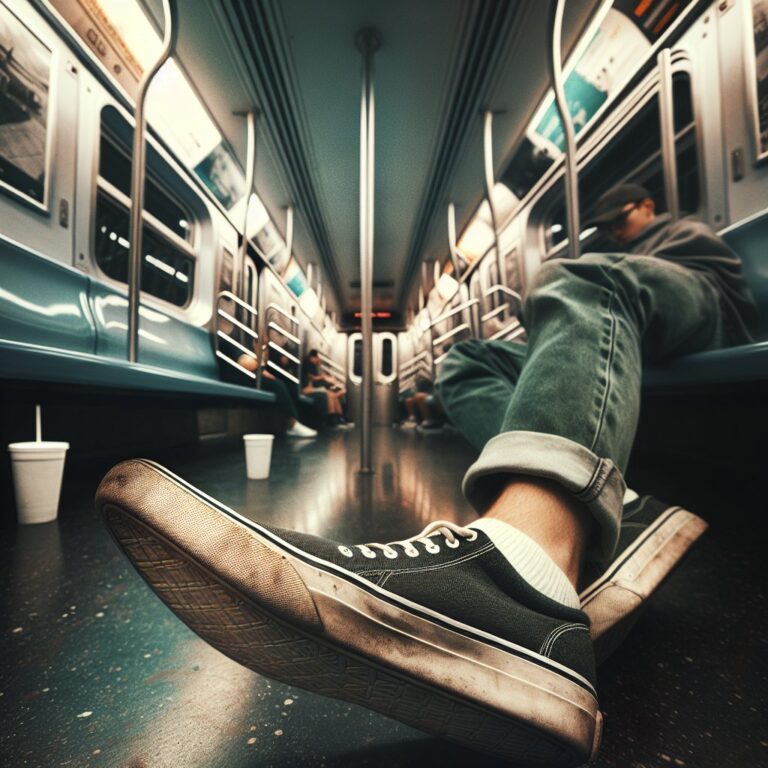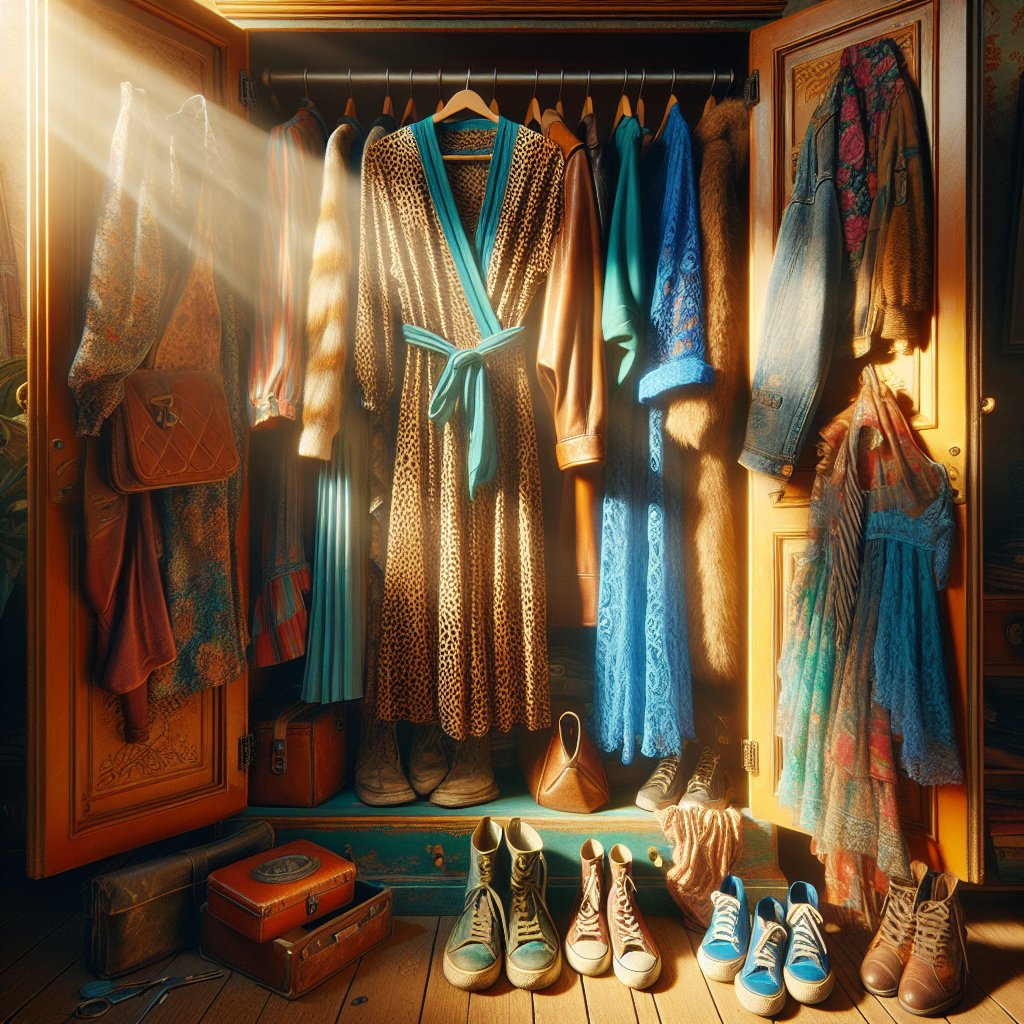
Imagine sipping coffee and reminiscing about that one outfit you consistently reached for at every occasion—your signature style item. We all have one: a pair of worn-in sneakers, a perfectly fitted leather jacket, or maybe a timeless leopard print Ganni wrap dress. But why do these specific items hold such sentimental value for us, and why does their inevitable wear bring about a sense of loss?
The Emotional Fabric of Fashion
Fashion isn’t just about trends; it’s deeply intertwined with our emotions and memories. A study conducted by the Journal of Consumer Research found that people often develop strong emotional attachments to specific clothing items. This attachment is not merely about aesthetics or fit but connects to personal milestones and cherished experiences.
That Ganni wrap dress you wore to a friend’s wedding, a family dinner, or a sunny picnic doesn’t just cover your shoulders; it shoulders memories. Over time, our outfits become storytellers. They weave a narrative of who we are and where we’ve been.
The Rise and Fall of Signature Pieces
Part of what makes our beloved clothes so cherished is their ability to transcend fleeting fashion trends. We live in a world dominated by fast fashion—a beast that churns out over 100 billion garments each year, according to the Ellen MacArthur Foundation. Yet amidst this abundance, it’s the unique pieces that stand out. They offer a sense of consistency, grounding us in a rapidly changing world.
However, the nature of fabric is that it’s impermanent. Our true-blue favorites, like the Francescas lace dress with its bell sleeves and high waist, eventually show signs of wear. Maybe it’s the fraying hemline or the faded color, each one a testament to the countless times it faithfully served its purpose.
The Hunt for Replacement: Chasing Lost Pieces
Coming to terms with the wear and tear of a favorite piece can be challenging. Sometimes, you might find yourself scouring eBay for a twin to your beloved dress, hoping that a pristine version of what once was might suddenly reappear.
But the questions linger—should you really buy the dress again? Emily Spivack, author of Worn Stories, suggests that the endearing character of these items comes from their unique lived experiences with us. Perhaps the perfect next piece is not a replica but a new canvas ready to witness the next chapter of your life.
Understanding Fast Fashion’s Role
While we cherish these outfits, it’s vital to recognize the environmental costs of fast fashion. The industry’s carbon footprint is vast, exceeding that of both airlines and maritime shipping combined. As these statistics highlight the need for change, we might find ourselves naturally gravitating towards sustainable practices—cherishing and repairing rather than discarding.
Creating New Memories, Mindfully
So, how do we adapt? Consider cultivating a closet that prioritizes timeless pieces and durable fabrics. When you bring something new home, think about its journey and future place in your story. Personalization, through something as simple as a few well-placed patches or custom embroidery, can breathe new life into old favorites.
In the end, let’s pour a heartfelt toast to our well-loved pieces—the dresses, jackets, and shoes that have been with us through thick and thin. They may show wear, but they’re well-earned trophies of our adventures, each thread a testament to well-lived days.
So, next time you’re looking through your wardrobe, savor those memories. And remember, while fabric may fray, the stories it holds remain vividly intact.
**
About the Author