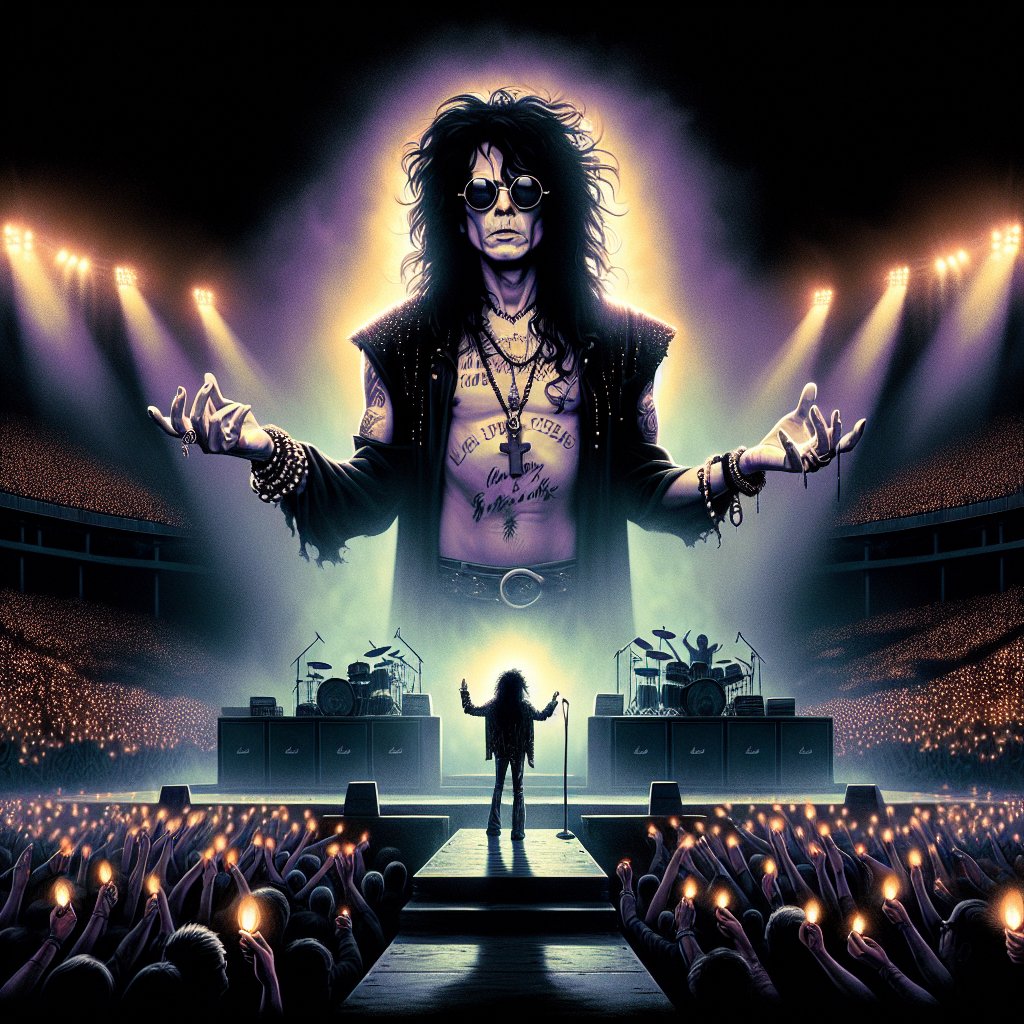
When I first saw the headline, “Ozzy Osbourne Dies Just Weeks After Farewell Show,” my heart sank a little. Ozzy has been this larger-than-life figure in rock music for as long as I can remember. Sure, we all know that life is finite, but some characters feel eternal, don’t they? Let’s dive into his legendary journey and what his passing means to music and culture as a whole.
The Birth of a Rock Icon
You can’t talk about Ozzy without starting from the beginning. Born John Michael Osbourne in Birmingham, England, in 1948, Ozzy grew up in a working-class family. His struggles with dyslexia and a tough economic environment didn’t deter him from dreaming big. Inspired by The Beatles, Ozzy decided to pursue music and eventually landed as the frontman for Black Sabbath in 1968.
Black Sabbath is widely regarded as pioneers of heavy metal, and it all began with their self-titled debut album in 1970. The dark, heavy riffs and sinister themes were a sharp departure from the peace-and-love vibe that dominated the ’60s music scene. This innovation gave birth to a new genre, marking Ozzy’s first major contribution to music.
A Solo Superstar
Leaving Black Sabbath in 1979 wasn’t the end for Ozzy. He embarked on a solo career that would further cement his status as a rock legend. Albums like “Blizzard of Ozz” and “Diary of a Madman” featured iconic tracks such as “Crazy Train” and “Mr. Crowley.” His unmistakable voice, combined with imaginative theatrics, brought metal to the masses.
Despite the highs, Ozzy’s life wasn’t without struggle. His battles with substance abuse were public and often messy, but they didn’t eclipse his achievements. Instead, they added layers to his persona—flawed, yet relentlessly resilient.
Cultural Impact
Ozzy wasn’t just a musician; he was a cultural phenomenon. From biting the head off a bat (mostly accidental, but undeniably iconic) during a live performance to having his own reality TV show, “The Osbournes,” he challenged norms and entertained millions.
He blurred the lines between personal life and performance art in a way that hadn’t been done before. Shows like “The Osbournes” offered viewers an unfiltered glimpse into the chaotic world of rock “royalty,” paving the way for reality TV as we know it.
Final Curtain Call: The Farewell Show
Ozzy’s farewell show, which took place just weeks before his passing, was more than just a concert. It was a testament to his enduring influence and a final nod to the fans who’ve been his backbone for decades. Surrounded by family, fellow musicians, and loyal fans, it was a closing performance fitting for the “Prince of Darkness.”
Legacy and Influence
What’s remarkable about musicians like Ozzy is how they transcend their immediate impact. Heavy metal evolved into doom, thrash, and even more extreme variants, but Ozzy’s influence remains foundational. Bands like Metallica and Iron Maiden have openly credited Black Sabbath and Ozzy for inspiring them.
In interviews, emerging bands frequently cite Ozzy as a significant influence, his signature sound and rebellious spirit living on in new forms. His charitable endeavors and candidness about his struggles humanized him, adding to the complex legacy he leaves behind.
What Ozzy’s Passing Means
There’s a sadness in knowing Ozzy’s story won’t get any new chapters. However, those that exist are legendary, filled with lessons in resilience, creativity, and authenticity. His music will continue to resonate, reminding us of an era where rock music felt revolutionary and raw.
In the grand tapestry of music, Ozzy Osbourne’s threads are bold and unforgettable. Although his voice has gone silent, the echoes of his contributions will reverberate in the chords of countless musicians and the hearts of listeners worldwide.
About the Author