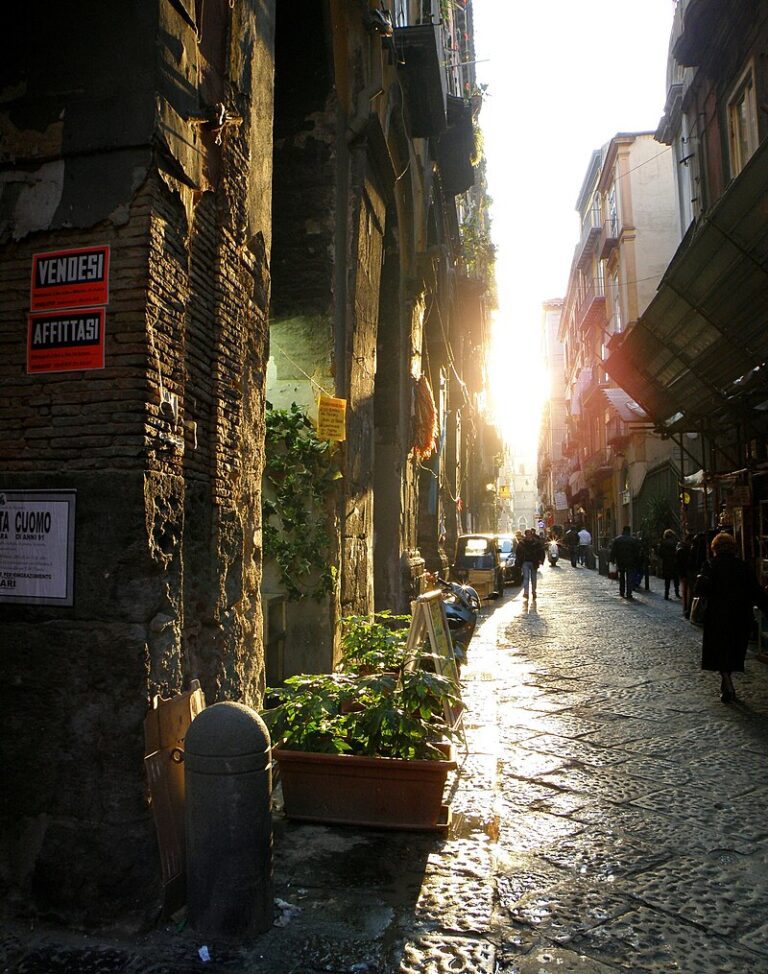
The warm stone smelled faintly of dust and coffee, the clack of shoes on cobblestones keeping time with a distant tram bell — and someone had left a single coffee ring on a traveler’s notebook.
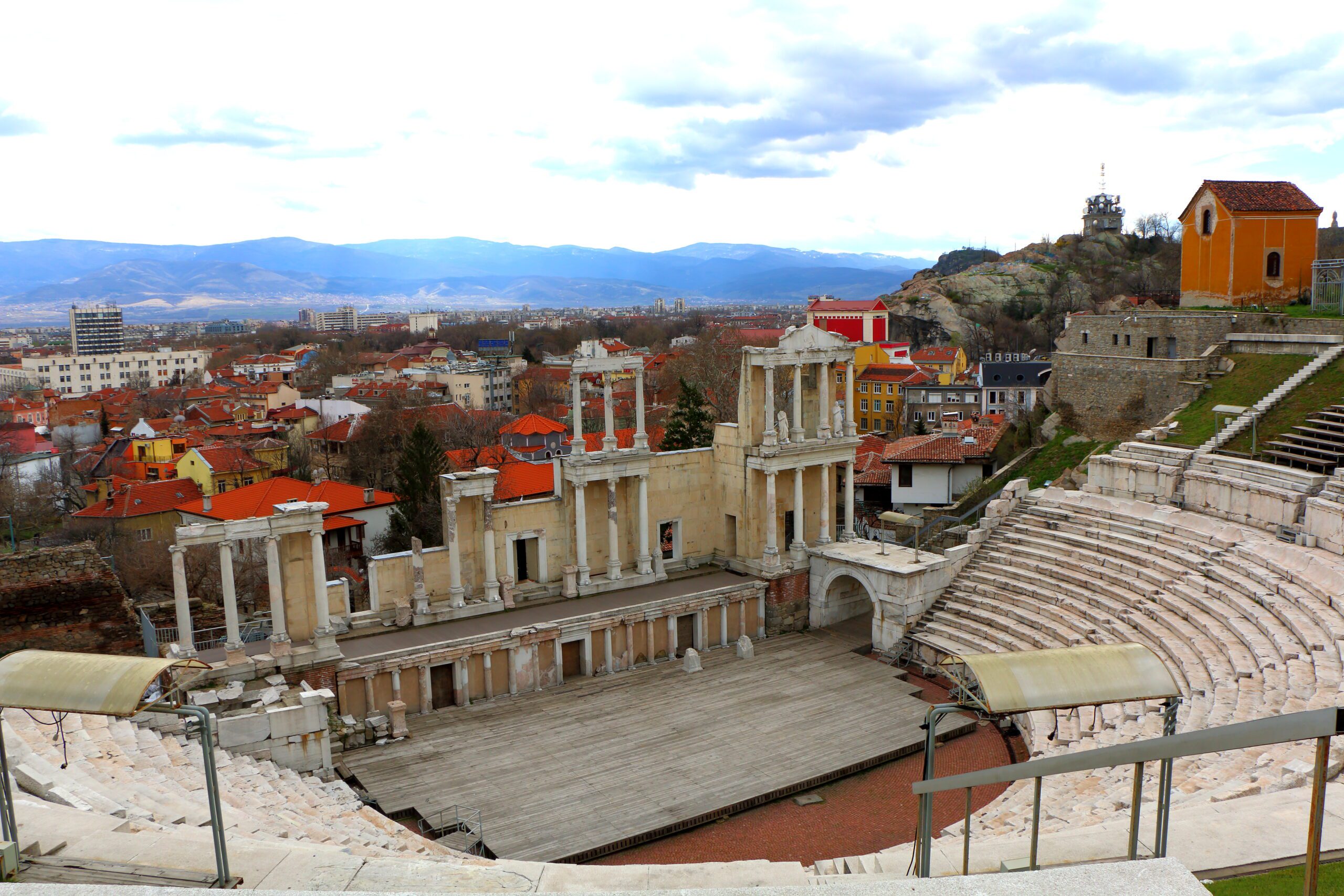
That small domestic scene is the city in miniature: lived-in, slightly rumpled, and oddly generous. Walk long enough in Plovdiv and you begin to feel the past not as spectacle but as the neighborhood you live in — layered walls, a market of cafés, a Roman theatre holding a modern concert like an old friend borrowing your living room piano.
A city stitched to time
Plovdiv has staked a big claim: people have lived here continuously since the Neolithic, a stretch that scholars and local boosters put at several millennia — some phrasing it as more than 6,000 years, others stretching the estimate toward 8,000. Excavations on the city’s hills and settlement mounds tell a long story of Thracians, Macedonians, Romans, Byzantines, Ottomans and modern Bulgarians, each leaving architectural fingerprints on streets you can still walk. (rferl.org, britannica.com)
That multi-layered past became part of Plovdiv’s international spotlight when it shared the 2019 European Capital of Culture title, an event that pulled visitors and attention to a city that by then had already been selling itself as one of Europe’s oldest continuously inhabited places. Plovdiv sits roughly 140–160 km southeast of Sofia, an easy hop that explains why day-trippers and longer-stay travelers mingle here so often. (apnews.com)
Why the claim matters — and why it can irritate historians
The headline — “oldest continuously inhabited city in Europe” — is useful for tourism and civic pride. It’s also a simplification. Different cities measure “continuous habitation” differently, and archaeological records are messy. Argos, Athens, Cádiz and other ancient places make competing claims, and scholars point out that archaeological layers, gaps in evidence, and definitions of what counts as a “city” complicate neat rankings. Sources remain conflicted, and the reality is likely more complicated than promotional copy. (Which seems a stretch, frankly, if you only want a postcard.) (britannica.com, rferl.org)
What you actually feel as a visitor
The walking does most of the convincing. Kapana — the creative quarter — hums with small bars, crafts shops and murals that make you want to slow your step. The Roman theatre on the hill, still in use for performances, is unexpectedly intimate: think an amphitheater from antiquity hosting a local band under modern lights. The old town’s cobbles are uneven, and a small stone church sits close enough that a bell and a busker’s guitar can cross paths in the same breath. (britannica.com)
Practical notes, from someone who tested a few of the potholes
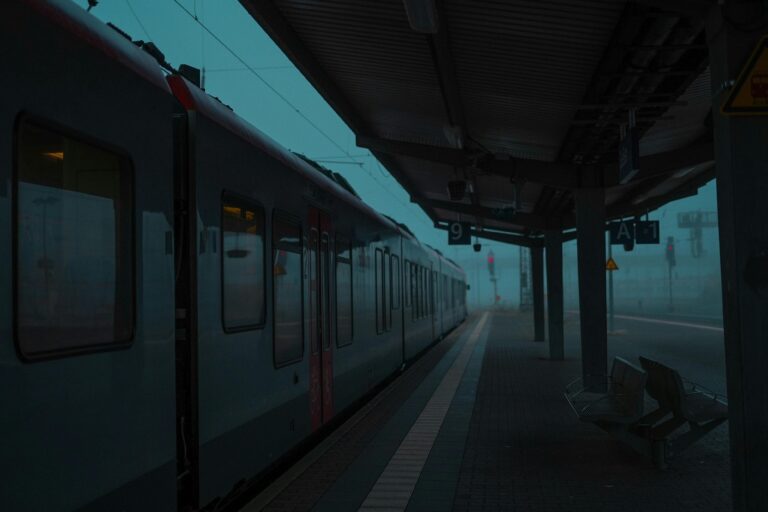
- Getting there: Trains and buses run frequently from Sofia; the ride is about 160 km. My train was late on both legs — twice the patience of a city-rail veteran was tested — so if time is tight, take a bus. It’s often faster and, despite being a touch more expensive, worth the saved hours.
- Where to stay: A small, centrally located hostel puts you in the heartbeat of things. I met travelers from Denmark, Brazil and Argentina over a chipped communal mug — people who would not have crossed paths otherwise.
- Food and cafés: Plovdiv is caffeinated. Corner cafés invite long, aimless sitting. Try a few; I found a vegetarian place called Veggie, an ice-cream shop Afreddo (note: cash-only at the counter), and Central Perk — yes, the name makes you smile if you remember old sitcoms — and all were pleasant. Card payments work widely, though small vendors may still want cash.
- Crowds: It’s touristic. Expect foot traffic, especially near the main street and the Roman sites.
Voices from the street
“I mean, I kept saying, ‘wow, this is calm’ — you don’t get that in big cities,” said Lucas Miller, 29, a software engineer from Austin who’d just come from Sofia. “Honestly, I stayed an extra day because the vibe made me slow down.”
Marta Ivanova, 42, a ceramicist who runs a tiny studio near Kapana, shrugged when asked about the “oldest city” label. “People from here are proud, sure. But, uh, we also sell cups and postcards,” she laughed. “Tourists like a good story, and the city gives them one.”
Subtle tensions: preservation vs. tourism
Plovdiv’s economic and cultural revival carries a trade-off. The same festivals and investments that brighten the city bring crowds and, some locals say, gentrification of once-modest neighborhoods. Public conversations about how to protect archaeological layers while encouraging contemporary cultural life are ongoing — a balancing act that any ancient, popular city knows well. The stakes are not dramatic, but they are real.
An unexpected detail — and a small digression
Down a side street I found a shop selling hand-stitched postcards, each stamped with a tiny photograph of an old tram and a glued-on grain of sand (a curious tactile souvenir). It felt like the city’s personality: practical, a touch eccentric, and not above a small flourish.
Why this matters beyond tourism
Understanding Plovdiv’s long arc of habitation is a reminder that cities are living palimpsests: layers of political rule, migration, commerce and culture that build on each other. In an era when many cities race to be “new,” Plovdiv quietly argues for the value of continuity — the slow accretion of memory and place. For policymakers and urban planners, that’s instructive: cultural investments can be engines for local pride and economic growth, but they also demand safeguards for the communities and artifacts that make a place unique. Reuters and the European media have often framed Plovdiv as a model of cultural reinvention, though critics note that such reinvention is never uncomplicated. (apnews.com, rferl.org)
A small, personal confession
I left with a sunburn on the back of my neck from a sunset on Nebet Tepe — worth it. Standing there, looking at the Maritsa river catch the last light, I felt something tourists talk about in brochures: history that’s not a museum piece but the background music of daily life. It softened my itinerary and, frankly, my pace.
If you go
Plan a loose schedule. Walk a lot. Sample cafés at different hours (breakfast coffee is not the same thing here). See the Roman theatre at dusk. Bring both cards and a small amount of cash. Rotate your phone screen when viewing photos; some of my best shots look better that way.
Plovdiv is modest about its claim and insistent in its pleasures. You won’t feel you’ve stepped into a time capsule so much as invited to dinner by a very old, hospitable neighbor.
Photographer’s note: Rotate screen for best viewing of wide cobblestone shots.
Sources: background material and historical context drawn from Encyclopaedia Britannica, AP News coverage of Plovdiv’s 2019 European Capital of Culture year, and regional reporting on archaeological findings and the city’s continuous habitation. (britannica.com, apnews.com, rferl.org)
About the Author