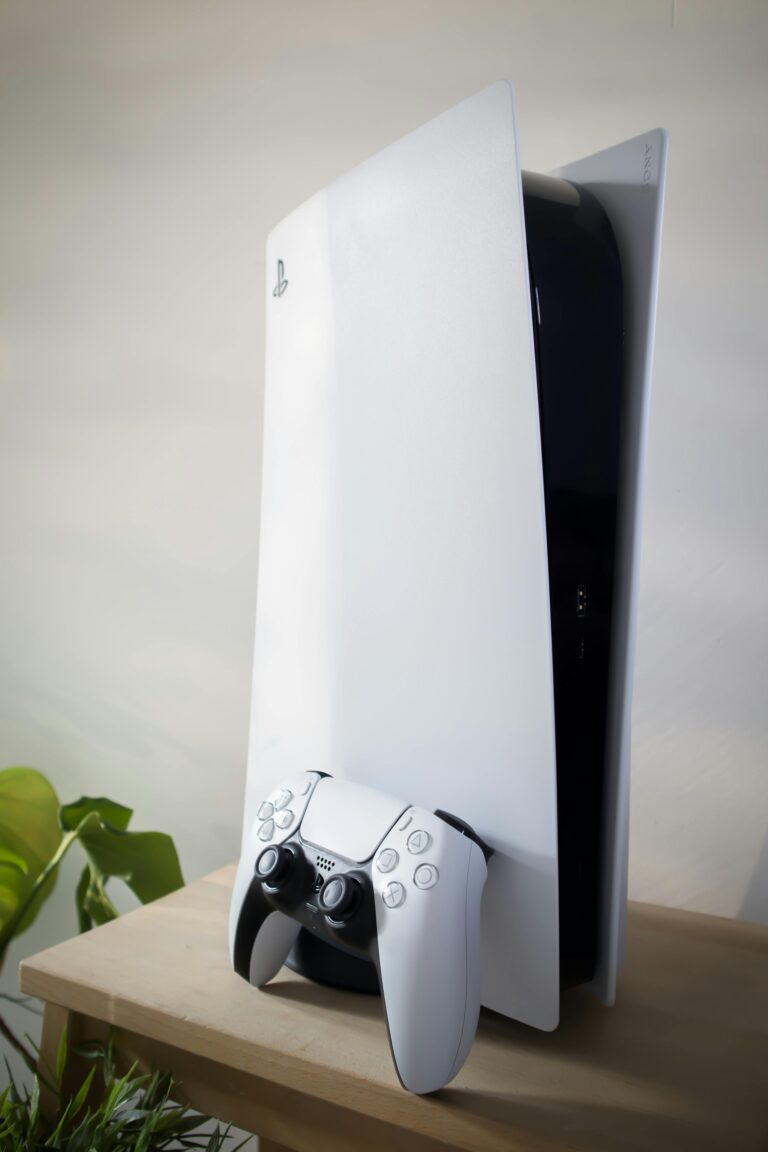
The air smelled faintly of burnt coffee and warm plastic, the quiet buzz of a neighbor’s lawnmower in the distance, a coffee ring slowly spreading across a reporter’s notebook. A DualSense rested nearby, its left stick worn smooth.
The detail matters. Little things—coffee rings, a scuffed controller—remind you that consoles are physical objects in people’s lives, not just specs on a slide. So when a detailed leak about Sony’s next PlayStation showed up online, the reaction was equal parts excitement and sideways squint.
What the leak says
A YouTube breakdown by the channel Moore’s Law Is Dead has been the center of the chatter, pointing to a leaked AMD presentation from 2023 that allegedly outlines PlayStation 6 targets: an RDNA 5-based GPU, Zen 6 CPU cores, GDDR7 memory, and a headline claim of roughly three times the PS5’s rasterization performance while aiming to land at a $499 launch price. The material also suggests manufacturing could start in mid-2027 with a release window from fall 2027 into early 2028. (engadget.com)
Those numbers, if true, would be a striking play. Sony’s strategy with the PS4 — undercutting competitors on price while leaning on strong exclusive software — helped define the last generation. The idea of matching PS5 launch pricing while delivering multiple times the raster performance reads like a repeat of that playbook, only with newer silicon and a lot more marketing muscle.
Parsing the hardware claim
The leaked targets point to a smaller CU count than some high-end PC GPUs, but with RDNA 5 and higher clocks the net raster throughput could still scale steeply. Reports about a 160W total board power target suggest Sony might be chasing efficiency rather than simply piling on raw wattage. That would help make a console that stays cooler and quieter—two selling points that matter when your living room doubles as a den. Tech outlets that reviewed the leak have noted the same mix of efficiency and restraint in the alleged design. (techradar.com)
Yet the picture is messy. One slide that promises “3× raster vs PS5” is impressive on its face, but rasterization is only part of a game’s performance story; memory bandwidth, ray tracing, developer tools, and software optimization shape the end result. In the real world, a console that shines on paper can still struggle if common games don’t take full advantage of that architecture. Sources remain conflicted about how much of this is fixed target and how much is a negotiating draft between Sony and AMD.
What this means for consumers
If Sony truly aims for a $499 price point, players could see a generational upgrade without the kind of sticker shock that sometimes accompanies new hardware. For families budgeting a new console or players deciding whether to upgrade mid-cycle, that price matters. It also pressures Microsoft and Nintendo in different ways: pricing, exclusive games, and ecosystem strategies would come into sharper relief.
But buying decisions should be guided by nuance. The console’s raw raster claim won’t automatically translate into universally better games. The reality is likely more complicated: some studios prioritize higher frame rates, others visual fidelity, and still others will lean into advanced ray tracing or AI-driven upscaling—features that may not show up in a single “rasterization” number.
Voices from the wild
“I mean, yeah, if Sony pulls this off it would be huge,” said Marcus Hayes, 29, a software developer who streams part-time. “But I’ve seen leaks before—gotta say I’m skeptical until I hold one. My PS5 has a little sticker near the eject button from a demo booth. I’m oddly sentimental about that.” His laugh sounded like someone who’s kept pre-order receipts from the early console days.
Eleanor Ruiz, 52, who runs a small electronics store in Ohio and has sold consoles since the Xbox 360 era, offered a different take. “Folks remember the price of the PS4 — that mattered,” she said. “If Sony can keep it near five hundred and actually make it quieter, I think a lot of people will choose it. But, uh, we’ll see about supply. There’s always that dance.” The store’s counter bore a faded poster of an old game release—an odd, nostalgic relic (a curiosity I couldn’t quite shake).
The leak and the information landscape
Leaks travel fast. In an environment where young people trust social platforms almost as much as traditional outlets on certain topics, a viral video can seed expectations before companies respond. Pew Research has tracked shifting trust patterns among younger audiences and social platforms, a dynamic that plays straight into how these kinds of hardware rumors spread and stick. That context makes it harder to separate early noise from plausible roadmaps. (pewresearch.org)
A short digression: I remember handheld misfires—the Vita’s promising hardware, great games, but poor timing and support. It’s worth recalling because the leak also mentions a handheld companion device, pitched around $400–$500 and designed to complement the main console. If Sony repeats the Vita’s hardware ambition but learns from the market’s past mistakes, that could change the handheld calculus. The memory of demoing a Vita in a cramped convention hall with fluorescent lights and bad coffee still lingers.
Uncertainties and what to watch
Several open questions remain. Was this material an early negotiation draft? Did AMD’s targets shift since 2023? How will Sony balance peak raster performance with ray tracing and AI features? In short: sources are not fully aligned, and the company has not confirmed any of this.
For readers thinking about what to do next: resist reflex pre-orders. Wait for official specs, third-party testing, and a sense of software support. Leaks are useful as a heads-up, but the lived experience of a console—how loud it gets, what exclusive games look like, how firmware updates change things—often tells a different story than a slide deck.
Final thought (personal)
I’ve covered consoles long enough to know that big promises can lead to great launches or curious footnotes. I keep a file—digital and physical—of old press kits, a worn golf glove used as a prop once, and a coffee ring on a notebook. Those small objects remind me that hardware is more than numbers; it’s about play, people, and patience. We’ll watch this one. Expect more leaks. Expect official responses eventually. Expect a few arguments on forums in between.
About the Author