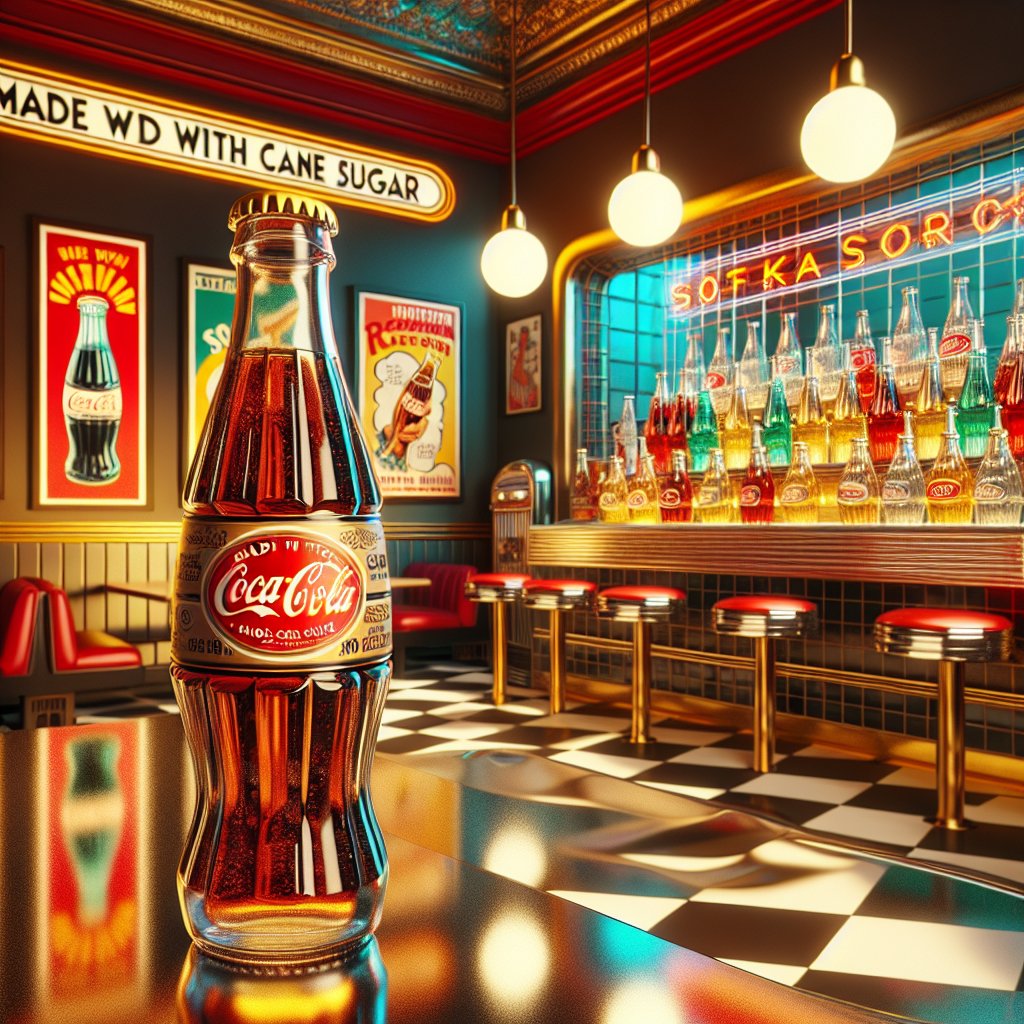
If there’s one thing that has stitched itself into the fabric of American culture, it’s Coca-Cola. But recently, this bubbly bastion of soda aisles announced something that’s sent a ripple through Coca-Cola lovers and vintage cola enthusiasts alike: Coca-Cola is bringing a cane-sugar version of its classic cola to the U.S.
But why is this significant? And why does it feel like more than just another product release? Let’s dive in—taking along a little history, some science, and a pinch of nostalgia for the ride.
A Sweet Look Back
Before we sip on why this is newsworthy, let’s take a trip down memory lane. Coca-Cola, born in 1886 in the heart of Atlanta, Georgia, became a household name largely because of its unique formula. For many years, that original formula was sweetened with cane sugar. Ask any soda history buff, and they might tell you that the transition from cane sugar to high fructose corn syrup (HFCS) in the 1980s marked a pivotal shift in cola production trends in the United States.
So, for some older generations, a cane sugar Coke isn’t just a drink— it’s a ticket to nostalgia. It’s about reclaiming that original zesty-sweet taste that perhaps last graced American palates more widely four decades ago.
Why Now? The Change in Sweetness Trends
Sweeping nutritional and consumer trends often play the fiddle for product innovation, and the recent pivot back to cane sugar is no exception. Over the years, there’s been growing consumer demand for more natural and less processed ingredients. In fact, studies show that 54% of Americans report concern over artificial or processed ingredients in their food.
Cane sugar, perceived as a “natural” alternative to HFCS, appeals to those wanting simplicity in their diets. It’s also notable that Mexican Coca-Cola, known colloquially as “Mexican Coke,” has for some time been a sought-after product in U.S. markets. Why? It’s often made with cane sugar— and it didn’t take long for word to spread that it might taste a tad better to those who prefer a less processed sweetener.
Taste and Texture: Does It Really Change the Game?
Here’s where it gets down to your taste buds. Cane sugar in sodas is often credited with a slightly purer, less cloying sweetness compared to HFCS. Some aficionados argue that it provides a clean aftertaste, letting the cola flavors shine more brightly.
To understand why, we might look at how cane sugar chemically differs from HFCS. Without getting too nerdy, cane sugar (sucrose) breaks down into glucose and fructose in equal parts. High fructose corn syrup, meanwhile, is already high in fructose content— upwards of 55%— which some palates might perceive as turning up the sweetness into overdrive.
A Shift in the Soda Industry?
Coca-Cola’s cane sugar reboot could be hinting at larger industry movements, where soft drink makers are re-evaluating their sweetener choices. After all, if Coca-Cola is doing it, who’s to say Pepsi or other brands aren’t contemplating something similar?
It’s kind of like the recent uptick in low-sugar or even sugar-free beverage options. The beverage aisle is becoming an experiment in catering to health-conscious consumers, and while “health” might not be synonymous with soda, transparency in ingredients and recipe recognition can build consumer trust.
What’s Old is Refreshingly New
For me, the whole scenario isn’t just about a carbonated soda. It’s about how brands are listening and responding to its community’s cravings for authenticity— even if that means taking a retro twist. I mean, isn’t there something beautifully full-circle about a century-old brand reintroducing itself like it’s 1886 all over again?
Whether you’ll love the cane sugar version more, less, or just the same, there’s one certainty: Coca-Cola has once again made its way into conversation and, by extension, into our shared sense of nostalgia.
So, next time you’re browsing the soda aisle, keep an eye out. You might just find yourself reaching for a little bit of the past, cleverly bottled up for today—and that’s kind of sweet on its own.
About the Author