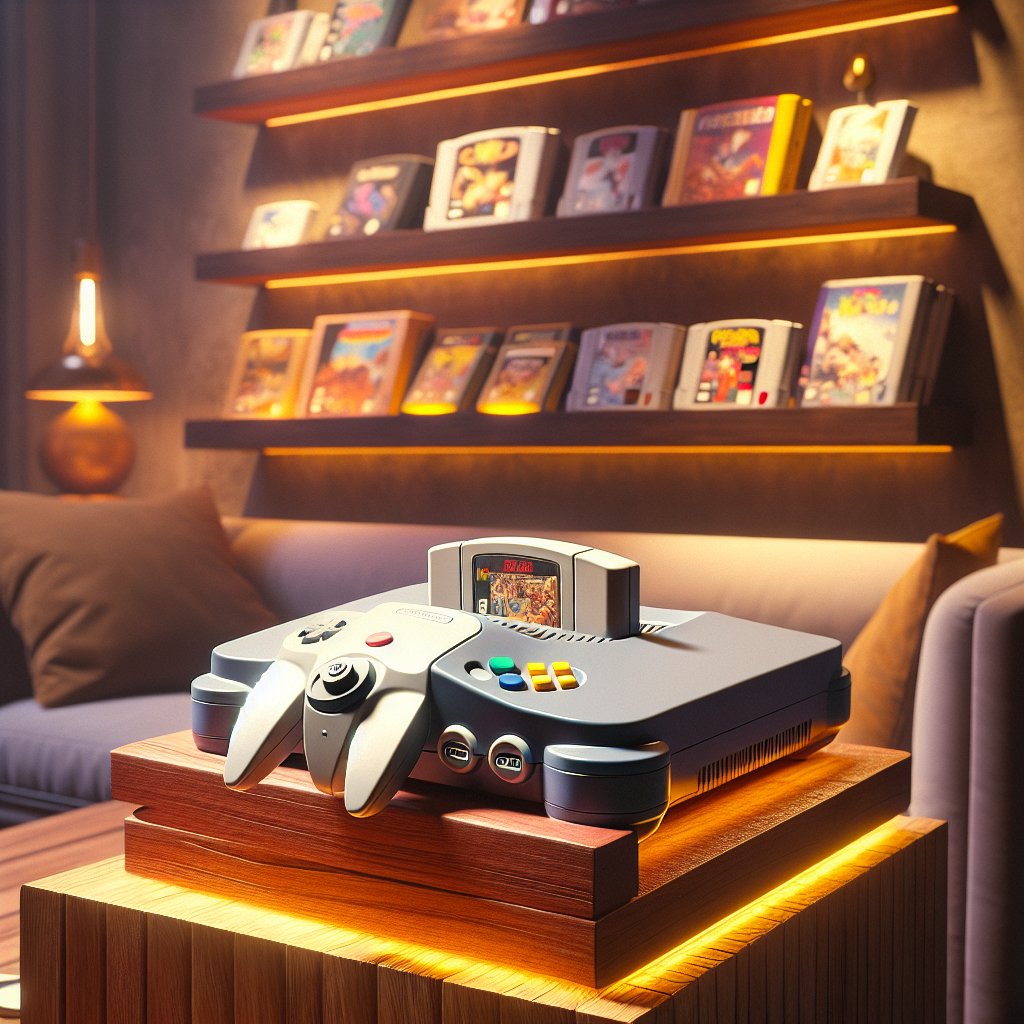
Back in the mid-’90s, gaming was an adventure steeped in innovation and nostalgia, spearheaded by Nintendo with its groundbreaking Nintendo 64 (N64). Flash forward to today, and you might be surprised to find that this old-school console is making an unexpected comeback, but not in the way you might think.
Analogue, a company renowned for its love of retro gaming, is stepping into the limelight with a modern take on the Nintendo 64, poised to debut this August. As someone who treasures the blend of classic gaming experiences with modern technology, I found this project genuinely intriguing, and I wanted to dive deeper into what makes this new venture so captivating.
The Evolution of Gaming Nostalgia
The allure of nostalgia is powerful, especially when it comes fuelled with a dose of technological brilliance. Analogue isn’t a newcomer to the retro gaming scene. Known for their high-quality recreations of vintage gaming systems, they’ve previously brought back the Super Nintendo and Sega Genesis, placing old favorites into a new context with enhanced capabilities.
This modern rendition of the N64 aims to rekindle those fond memories, only this time in stunning 4K resolution. But why is there still such a strong market for these retro revivals? A lot of it comes down to the emotional connection and simplicity these older games offered. In a world of endless DLCs and microtransactions, cartridges with finite adventure zones tap into a longing for simpler times.
A Peek Under the Hood
At its core, the allure of Analogue’s version of the N64 is in its hardware refresh. While most modern gaming setups require emulation or rely heavily on digital copies, Analogue’s approach is different: enhancing the original experience without losing authenticity. This means feeling the weight of the cartridge in your hand, hearing that iconic “click” as it locks into place, and experiencing less latency thanks to the FPGA (Field-Programmable Gate Array) technology they deploy.
Importantly, Analogue maintains a dedication to accuracy and quality with its upscaling to 4K. This isn’t just about making the graphics sharper but reinterpreting the experience for today’s high-definition televisions without muddying the pixelated charm that N64 games are known for.
The Impact on Modern Gaming
It’s worth noting how this kind of project plays into the broader gaming landscape. Retro gaming isn’t simply about nostalgia; it’s an entry point for new audiences to appreciate the art and innovation that forged today’s gaming industry.
Let’s consider the Global Digital Games Market Report, which noted a steady increase in consumer spending on games, with a notable rise in interest for vintage content. This indicates a growing appreciation for past games that shaped the industry, and projects like Analogue’s tap into this rich vein of both new and old gamer enthusiasm.
Community and Connectivity
With Analogue’s announcement, there’s been a palpable buzz across gaming communities, both virtual and real. Die-hard fans and newcomers alike are excited about the prospect of reconnecting over couch co-op and split-screen competitions—hallmarks of the N64 era.
To wonder if this will rekindle gaming parties of old isn’t far-fetched. After all, the convergence of familiar gameplay and refreshed technology might just bring people together once again, in a social setting where rivalries are friendly, and nostalgia is shared.
Looking Ahead
Analogue’s impending release is more than just another console—it’s a tribute to a beloved chapter in gaming history, presented in a way that honors its roots while embracing the present. For some, it’s a rare chance to reclaim pieces of their childhood, while others might simply see it as an opportunity to experience gaming history with a modern flourish.
So, will Analogue’s Nintendo 64 become a staple for every gaming aficionado this August? Only time will tell. But one thing is certain—it’s a nod to where we’ve been while reminding us of the unfading magic these games still hold.
**
About the Author