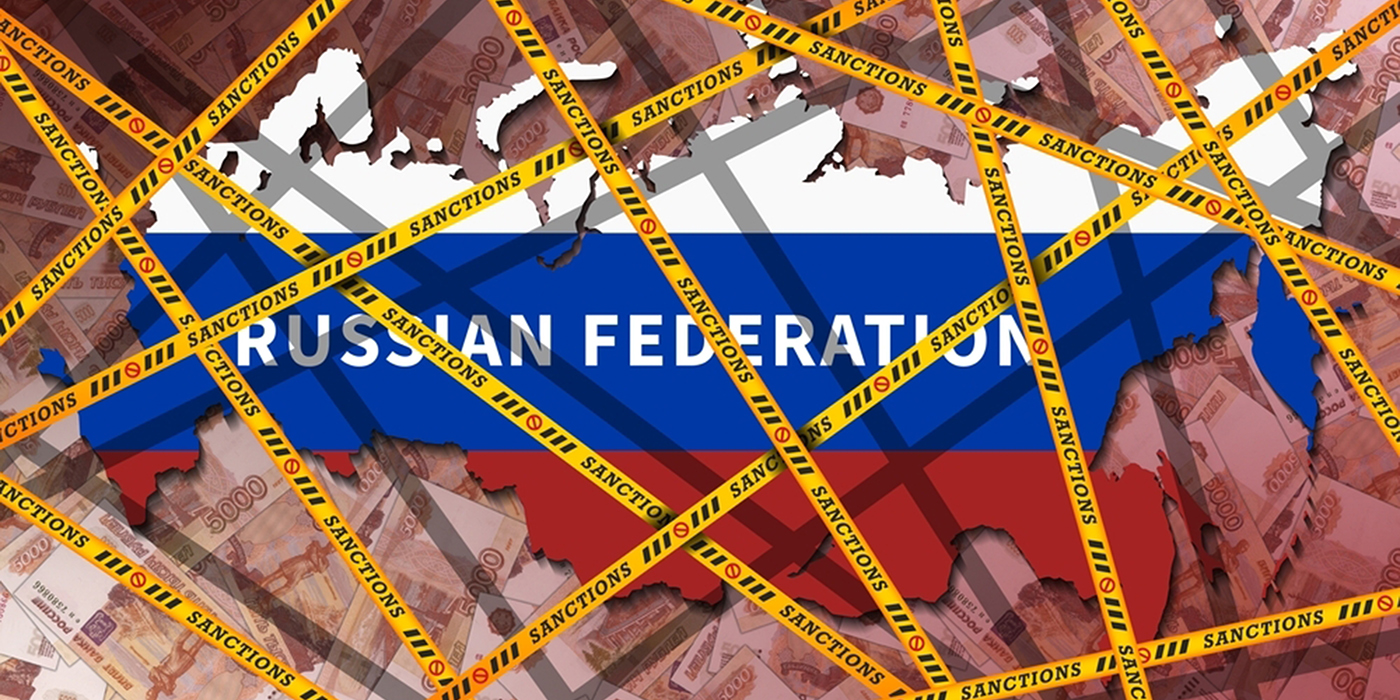
Yellow ribbons with the inscription, sanctions, wrapped around the map of the Russian Federation, painted in the colors of the flag. Economic isolation of Russia. Banknotes 5000 rubles
Drizzle fell across the Kyiv square, and the scent of damp concrete mixed with faint echoes of distant artillery as President Zelenskyy strode into a press briefing. His blue jacket shielded him from a spring chill; reporters waited.
In a determined address this week, 46-year-old Ukrainian President Volodymyr Zelenskyy urged world leaders to tighten the economic noose on Russia – arguing that only by “crushing” Moscow’s finances can the war end by 2025. He said the West must impose tougher sanctions now, including stricter enforcement of existing bans and new financial measures. Any delay, he warned, could allow the war to drag out for years. Zelenskyy noted that Russia’s own budget outlook is grim: recent Russian government figures show a planned budget deficit jumping to roughly 1.7% of GDP as oil revenues fall【61†】. Analysts point out Russia’s economy is already under strain; for instance a Reuters poll of economists from late 2024 projected the ruble at around 100 per dollar at the start of 2025, weakening further by year’s end as sanctions bite【44†】.
Economic Pressure on Russia
Western sanctions on Russia have been building since the 2022 invasion. The October 2024 sanctions that hit key Russian banks helped send the ruble to multi-year lows, Reuters noted, and more curbs on energy exports now loom【47†】. The EU’s upcoming oil embargo alone could shave “tens of billions” off Russia’s revenue, according to a UN-backed analysis cited by Associated Press【54†】. Ukrainian officials are hopeful: foreign minister Dmytro Kuleba said the ban will “speed up the countdown to the collapse of the Russian economy”【54†】. In public statements Ukraine’s leaders repeatedly equate sanctions with military pressure – Foreign Minister Kuleba and Zelenskyy both argue there should be “no significant economic ties left” between the free world and Russia【54†】.
Yet the real impact of sanctions can be slow. The Russian central bank and economy ministry have warned internally of growing recession risks. Despite oil sales, Putin’s government has already cut next year’s revenue forecasts by some $15 billion and tripled the budget deficit projection to about $48 billion, The Moscow Times reported【61†】. At the same time, Russia still sells energy to some buyers and retains hidden ways to skirt bans, so sealing the financial taps is complex. European analysts note that world markets could mitigate some blows – for example by diverting Russian oil to Asia – making it an open question how quickly Moscow’s economy will buckle.
Allies, Experts and Doubters
Allied leaders have largely backed claims of tougher measures. Polish Prime Minister Donald Tusk stressed last month that “the involvement of Poland, France, Germany, the UK, the United States is extremely important” in crafting new sanctions, underscoring the unity Zelenskyy seeks. Kiev’s Western partners have discussed further financial penalties around tables from G7 summits to occasional talks with the Trump administration – even a White House press release recently alluded to “cracking down on smuggling and finance networks” fueling the war.
Still, opinions vary. Some experts caution that sanctions alone might not force a swift peace. “We gotta do it now,” said Borys Petrov, 34, a Kharkiv doctor turned defense analyst. “Maybe then we’ll see an end to the war by 2025. Any delay just means more fighting.” Petrov’s view reflects growing frustration; on city streets and in bomb shelters many Ukrainians feel the urgency. But other analysts warn the strategy isn’t guaranteed. Heavy sanctions can take time to choke a war economy, and there are no easy stopgaps if Putin digs in. Could biting tariffs and trade bans provoke an even harder line or unexpected retaliation before peace talks? Critics wonder whether the West risks inflicting suffering on Russians without shortening the war – or spurring Russia to find new alliances.
The Road Ahead
For now, Zelenskyy’s message is clear: keep tightening the squeeze. He is urging allies – Congress over in Washington, ministers in Brussels – to adopt “the biggest possible pressure.” In sum, he’s betting that economic warfare will hasten Moscow’s collapse and save lives. As Autumn drills guard Ukraine’s trenches, his gamble of an all-out sanctions push creates a sharp tension. Will it break the Kremlin’s will soon, or will it only lend more drama to 2025’s uncertain endgame? Even among Zelenskyy’s supporters, there’s a hint of doubt and a pressing question: can the global economy really be weaponized to force peace – or are a mixture of arms and diplomacy still needed to finally seal a ceasefire by next year?
About the Author