Subheading: Navigating the Line between Concern and Action for Child Welfare
Have you ever found yourself in a situation where you’re unsure if a child’s circumstances are concerning enough to warrant intervention? Let me share a story, inspired by a Reddit post, about a preschool teacher’s dilemma. It’s a bit like when your friend tells you over coffee about this puzzling experience and you’re left wondering, “What would I do?”
What’s Happening in the Classroom
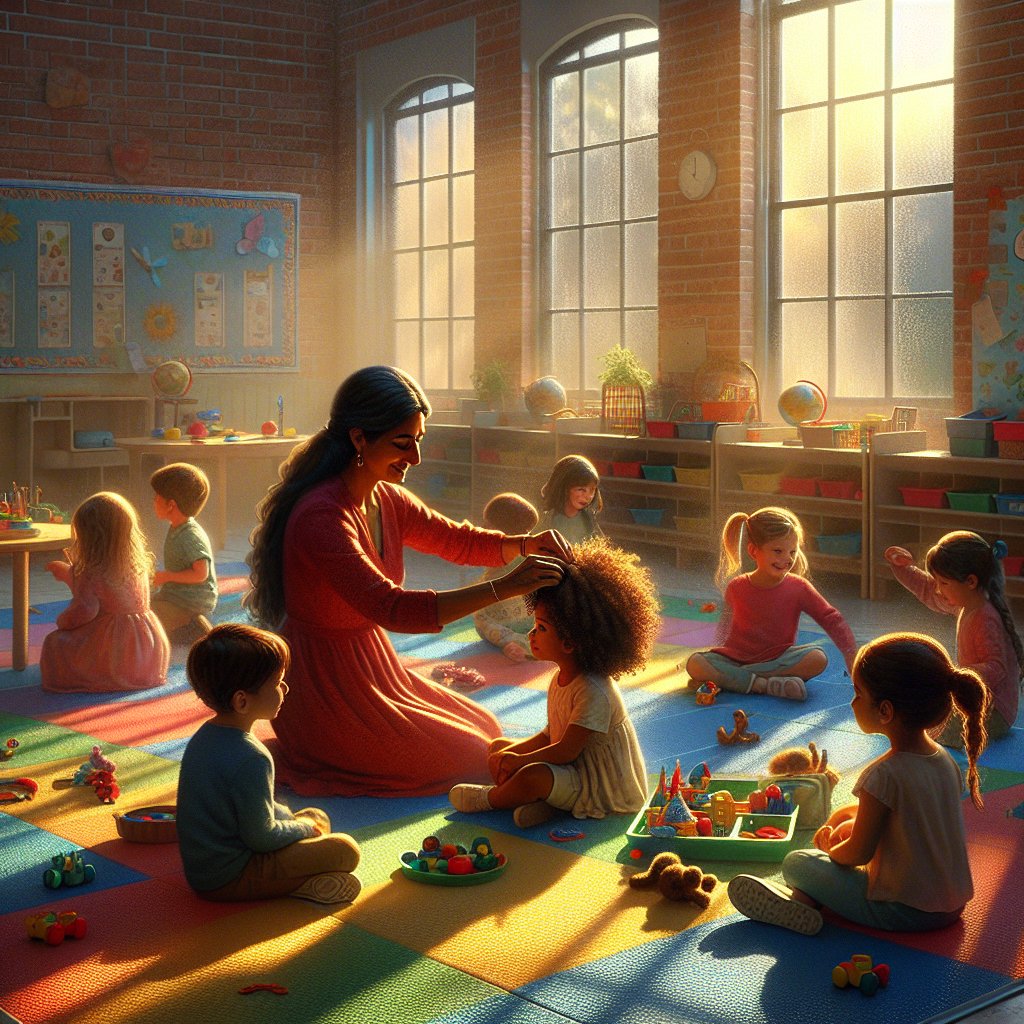
Imagine you’re a preschool teacher, and one day a five-year-old girl walks into your classroom with a sizable clump of blue clay stuck in her hair. Now, kids get into all sorts of mischief—that’s what makes them fun, right? But what’s odd here is the mom didn’t mention or notice anything when dropping her off. As educators, the staff took it upon themselves to remove the clay, a task that takes over an hour, and informed the mother through a text. The girl returned to school the next day with the same unwashed, oily hair tinted blue. If this isn’t enough to raise eyebrows, the girl frequently comes to school with tangled hair, and here’s the clincher—she often pees herself during nap time despite being potty trained, claiming she wears diapers at home.
When is it Time to Intervene?
Let’s break this down. When do normal childhood hiccups call for concern, and possibly professional intervention? Statistics reveal that over 3 million cases of child abuse are reported annually in the United States. Not all cases involve overt physical harm; neglect accounts for around 60% of maltreatment cases reported, according to the U.S. Department of Health & Human Services. In the classroom story, indicators suggest neglect—a form of abuse that can lead to significant developmental and emotional harm.
Signs of Neglect:
- Consistent lack of hygiene: Blue, oily hair for days.
- Inadequate supervision or care: Unattended hair matting and diaper use at home despite being potty trained.
- Developmental concerns: Regressive behaviors like not using the bathroom appropriately.
Historical Context: Evolution of Child Protection
Child protection today is worlds apart from where it began. Did you know that the first organized effort to protect children came about from the 19th-century animal rights movement? In a poignant turn of events, advocates used laws meant to protect animals to help an abused child. Fast forward, modern systems have evolved, but the principle remains the same. Protecting a child’s welfare is paramount.
Your Role in Child Welfare
- Trust Your Gut: Your instincts are often worth listening to. If something feels off, it might be time to dig deeper.
- Document and Report: Keep records of incidents, patterns, and communications with the guardian.
- Understand the Process: Contacting child protective services (CPS) doesn’t immediately lead to family separation. CPS investigates and offers support and resources to parents, aiming to keep families together when safe.
Expert Insights
Child psychologists and social workers emphasize the balance required in these situations. Dr. Lisa Jones, a child psychologist, notes, “Our primary goal is to ensure the child’s safety and well-being without jumping to conclusions or unnecessary panic.”
Final Thoughts
As we sip the last of our coffee, remember that raising a red flag isn’t about casting judgment. It’s a step towards ensuring every child gets the attention and care they deserve. For the teacher in our story, perhaps it’s time to have that conversation with the school’s counselor or administration to determine the best next steps.
Ultimately, being vigilant and informed about these issues is invaluable. Let’s make an effort to understand, act, and support rather than hesitate when faced with uncertainty regarding a child’s welfare.
**
About the Author