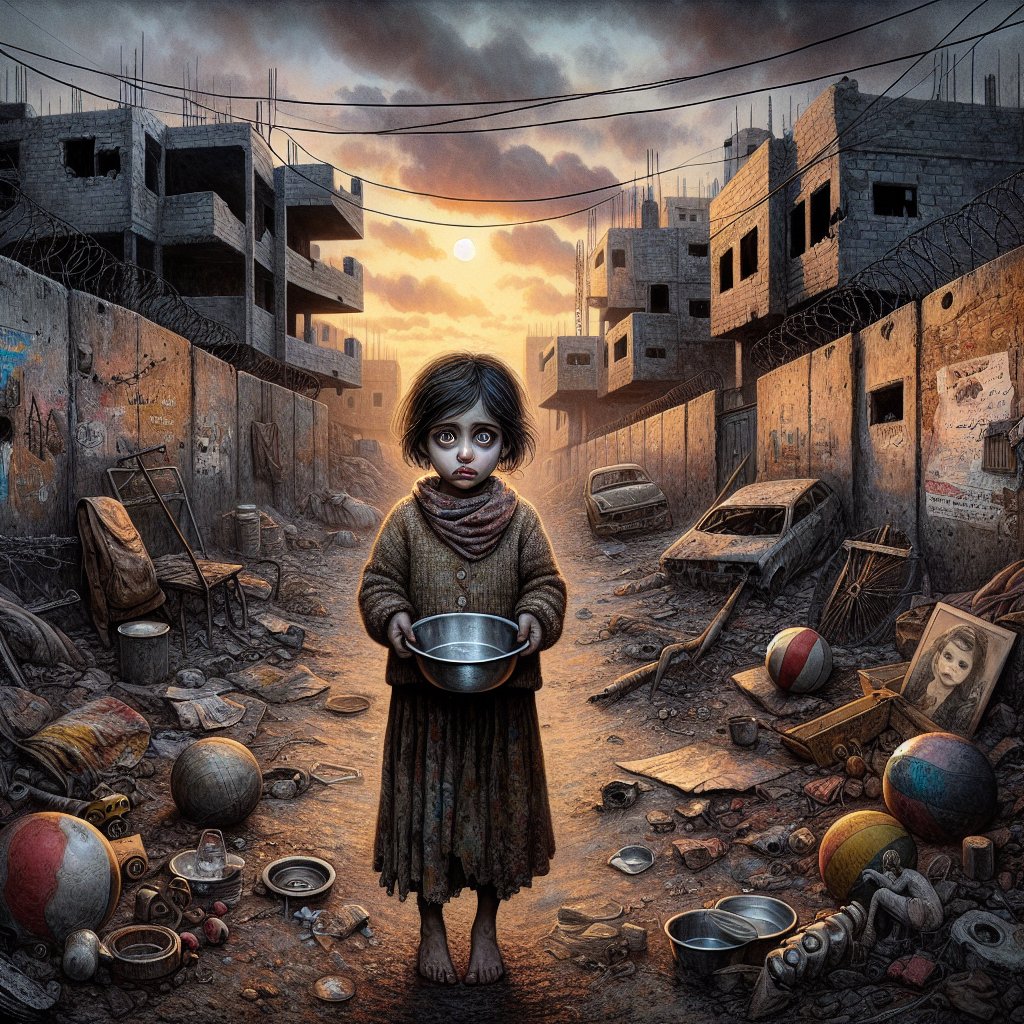
The news about Gaza often paints a grim picture, and the latest reports from the World Health Organization (WHO) remind us of the urgent humanitarian crisis unfolding there. WHO’s Director-General recently highlighted that Gaza is facing a man-made mass starvation — a stark reminder of the deteriorating human rights situation in the region.
The Humanitarian Crisis in Gaza
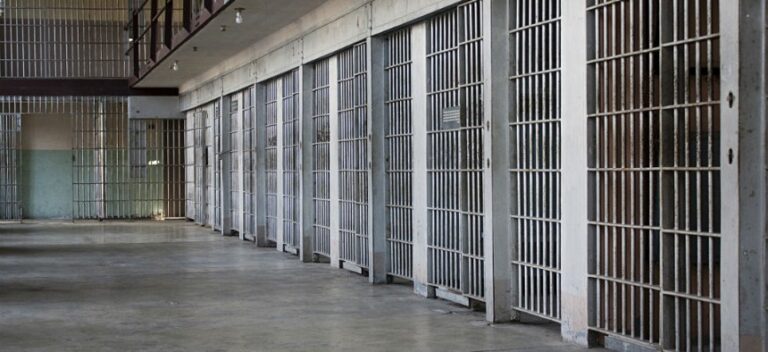
Gaza’s unofficial nickname, “the world’s largest open-air prison,” is all too fitting. With its borders sealed off by Israel and Egypt, and resources severely restricted, this tiny strip of land with over two million inhabitants is teetering on the brink of collapse. I remember reading about the blockade imposed back in 2007, and ever since, Gaza’s people have been trapped in a vicious cycle of poverty and deprivation.
Food insecurity – or simply put, not knowing where your next meal will come from – affects more than half of Gaza’s population. Can you imagine that? For many families, this isn’t just about not having enough food; it’s also about the lack of nutrition and health care. The UN has been sounding alarms about this for years, warning that Gaza could become unlivable by 2020. We’re now five years past that warning, and unfortunately, not much has changed.
A Deeper Dive Into the Causes
So, how did we get here? The blockade is a significant factor, but it’s not the only one. The infrastructure in Gaza is in shambles. After repeated conflicts, much of it remains unrepaired because building materials are among the restricted items. This isn’t just about buildings and roads; this affects electricity, clean water, and even sewage systems.
Without reliable electricity, water purification becomes a challenge, and hospitals struggle to provide adequate care. With a compromised healthcare system and rampant poverty, the people in Gaza are left vulnerable to diseases and malnutrition.
Voices From the Ground
I stumbled upon a story of a mother of four in Gaza, trying to stretch her meager resources to feed her children. She spoke about how she occasionally skips meals so her kids won’t have to. This self-sacrifice is a common theme among parents in Gaza, and it paints a personal, heartbreaking picture of the crisis.
International humanitarian groups continually advocate for easing the blockade to allow essential goods to flow freely into Gaza. Despite these efforts, the reality on the ground remains harsh. Just recently, over 20 humanitarian organizations penned a letter to global leaders, calling for urgent action to avert further catastrophe. Yet, the international community’s response has often felt slow and inadequate.
What Can Be Done?
The call for a more humane policy towards Gaza is not just a plea for compassion; it’s a strategic necessity for peace. Easing the blockade, ensuring the delivery of humanitarian aid, and investing in Gaza’s infrastructure could provide a lifeline to its beleaguered population.
The international community can also play a pivotal role by mediating and supporting dialogue between Israel, Egypt, and Palestinian authorities. A sustainable political solution requires concerted efforts from all involved parties.
Conclusion
This crisis isn’t just a regional issue; it’s a humanitarian one, echoing wider ramifications about human dignity and international responsibility. It serves as a stark reminder of the need for empathy and action in the face of profound adversity. We owe it to our kin in Gaza to pressure our leaders to act with urgency and compassion.
About the Author