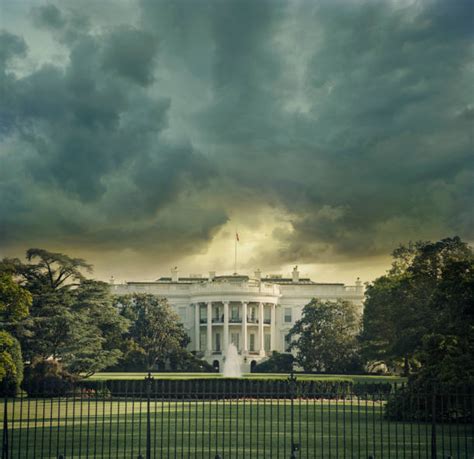
Rain pounded the White House windows Wednesday as National Intelligence Director Tulsi Gabbard took the podium with explosive allegations. The faint aroma of coffee filled the tense briefing room, cameras clicking under the rumble of thunder.
Gabbard, a former Democratic congresswoman now serving in the Trump administration, stunned reporters by declassifying a Republican House Intelligence memo from 2020. She said it proves the Obama administration “manufactured” intelligence about Russian meddling and suggested a “treasonous conspiracy” to undermine Donald Trump’s 2016 victory. Citing that memo, she claimed investigators had found “not enough evidence” that Russia was trying to help Trump win (www.newsmax.com). In her words, Obama’s national security team had “knowingly directed the creation of a false intelligence assessment” – essentially accusing them of framing Trump’s campaign with bogus evidence. Gabbard urged the Justice Department to investigate these allegations, a move that even Trump praised as he used her report to pressure for accountability.
Not everyone is convinced. Obama’s spokespeople immediately pushed back, dismissing the claims as outrageous. As Axios noted, one Obama aide called Gabbard’s allegations “outrageous” and “bizarre” (www.axios.com), referring journalists to an earlier statement. Critics across the aisle say Gabbard’s narrative conflicts with years of accepted findings. A retired CIA officer who led the 2017 Russia review told NBC News flatly that the current DNI and the White House were “lying, again” about those events (www.newsmax.com). He said his team had “the intel to show with high probability” that the Russians’ goal was to get Trump elected (www.newsmax.com). In short, insiders remember a consensus that Russia had indeed interfered in 2016 – mainly to damage Hillary Clinton – and found no proof the outcome was changed. In fact, an Associated Press analysis of the released files found they “do not refute the widely accepted conclusion that Russia interfered in the 2016 election to sow discord” (apnews.com). A January 2017 intelligence report had similarly concluded Russia tried to help Trump but saw “no evidence that the interference altered the election outcome” (www.reuters.com).
“I’m just an average citizen following this mess,” said Burt Thompson, 50, a software engineer from Denver, shaking his head as he watched the news. “Maybe they’re just muddying the waters with it all. We’ve gotta figure this out with facts, not hearsay.” His frustration echoed what many feel: facts and spin are tangled, leaving the public confused.
In response to Gabbard’s referral, officials from the Justice Department quietly moved. Reuters reported that on July 23 the DOJ formed a special “strike force” to assess whether any laws were broken by these accusations (www.reuters.com). So far, no charges have been filed, and it’s unclear what evidence exists beyond the talking points. The White House itself refused to give additional details, even as lawmakers from both parties debated the implications.
For now, Americans are left with more questions than answers. On one hand, decades of intelligence work and later bipartisan investigations have affirmed the core story: Russia meddled in 2016 to hurt Clinton and boost Trump (though it didn’t directly flip votes). On the other hand, Gabbard’s declassified memo insists there was “not enough evidence” for that narrative. How can both be true? Is this a long-overdue reckoning or just another political sideshow? Even veteran analysts caution that the full truth may lie somewhere in between.
As one critic put it, “Everyone has a script they want to follow.” In today’s polarized climate, that leaves the public asking: who’s really telling the truth – and can we trust what tomorrow’s headlines will bring?
Sources: Associated Press, Reuters, Axios.
**
About the Author