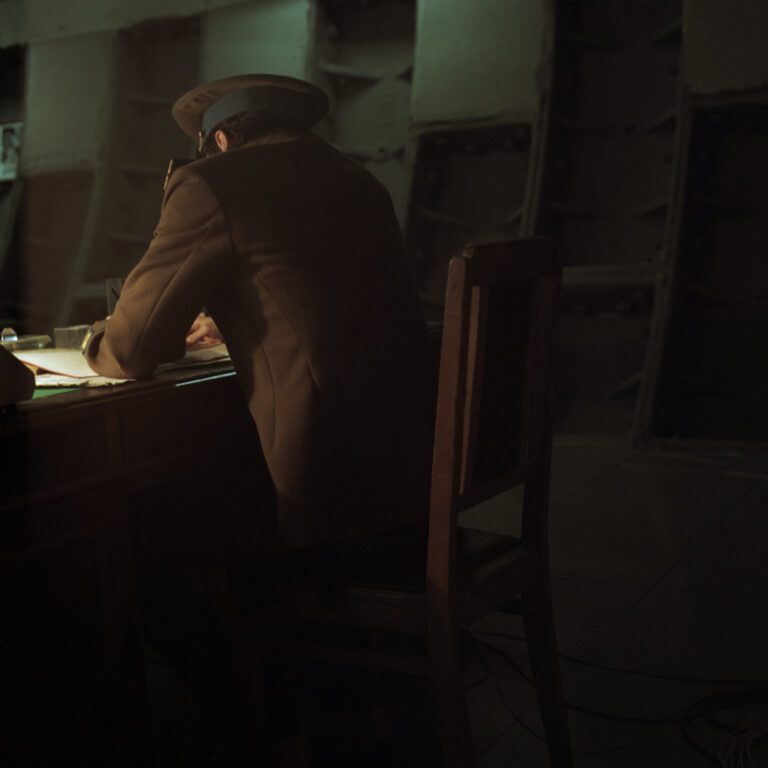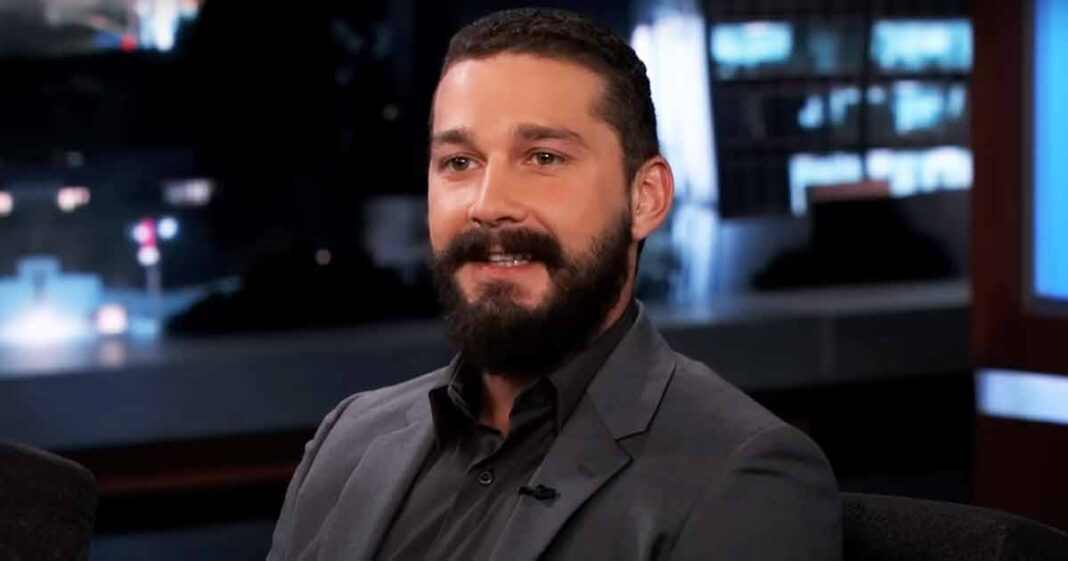
Did you ever imagine spending a full three days watching movies — nonstop? Now, imagine those movies were all about you. In 2015, Shia LaBeouf did just that. He sat through an experience that was as much a performance art piece as it was an endurance challenge. Over 72 hours in a New York cinema, LaBeouf watched his entire filmography live, with the world watching him watch himself. It’s an intriguing concept, isn’t it?
LaBeouf’s marathon movie-watching was part of a live performance art piece called “#ALLMYMOVIES.” Here’s the twist: he wasn’t just screening his films; he was experiencing a public reflection on his career, vulnerabilities, and the concept of celebrity itself. But why would anyone do this? And what can it tell us about our culture and the world of performance art? Let’s dive in.
The Allure of Performance Art
Performance art is an often misunderstood genre. It’s a form of expression that emerged in the 20th century, mixing aspects of theater, visual art, and sometimes inexplicable dramatic flair. It’s about making people feel and think, often by placing everyday actions under a spotlight. Marina Abramović, a contemporary icon in this field, once described performance art as a moment of shared experience, aiming to engage the audience in profound ways. With “#ALLMYMOVIES,” LaBeouf was not just an actor; he became the artwork itself.
This event allowed audiences both in the theater and online to witness not the polished, rehearsed performances of LaBeouf’s career, but raw authenticity. The way he reacted—whether it was laughter, tears, or maybe a blank stare—became part of the narrative. It broke the barrier between the celebrity persona and the real person behind it, something rarely seen in our celebrity-centric culture.
A Glimpse into Celebrity Culture
The idea of watching a celebrity watch their own work is compelling. Why? Because it pulls back the curtain on the myth of Hollywood. We idolize these figures but seldom see them in such vulnerable, unguarded states. In today’s age of social media, where personal brand management often takes precedence over authenticity, LaBeouf’s project was refreshingly real.
Data suggests that the way we consume media is evolving. According to a Nielsen report, time spent on live television has been steadily declining, while streaming services and YouTube become dominant forms of entertainment. Yet, here was an audience not tuning in to watch LaBeouf’s movies, but to watch him—an unscripted, emotional journey, giving viewers a unique kind of engagement.
Reflection and Introspection in Our Lives
LaBeouf’s marathon screening taps into a broader human tendency: reflection. Watching films for enjoyment is one thing, but retracing your steps through years of work is another. It’s that idea of confronting your past head-on, understanding it, accepting it, and maybe even laughing at it.
We all grapple with our narratives. Whether through journaling, talking with friends, or just reflecting during a walk, introspection is often where personal growth happens. It’s about acknowledging past versions of ourselves and understanding what those versions mean to who we are today. LaBeouf’s public experiment reminds us of the cathartic power of reflection and its role in shaping our identity.
The Power of Vulnerability
Brené Brown, a research professor known for her work on vulnerability, argues that embracing vulnerability is crucial for true connection. LaBeouf’s project was a real-time embrace of vulnerability. By willingly sharing his unfiltered reactions, he challenged the facade of invulnerability so often maintained by public figures.
The act sparked discussion on the authenticity of celebrity personas and prompted wider reflections on the separation—or lack thereof—between the public and private self. It was a bold move that invited viewers into an artist’s journey of self-discovery.
Final Thoughts
“Performance art is about taking risks,” LaBeouf once said. In this case, the risk was the raw exposure of self. But in the paradox of modern entertainment, this moment of authenticity drew in thousands, curious to see what an honest confrontation with one’s own legacy looks like.
LaBeouf’s “cinematical” challenge isn’t likely to be repeated often, but it serves as a potent reminder of the complexity behind the human facade of celebrity. As viewers, we were not just watching Shia LaBeouf; we were watching a study of art, culture, and the unbreakable thread of raw reality.
About the Author