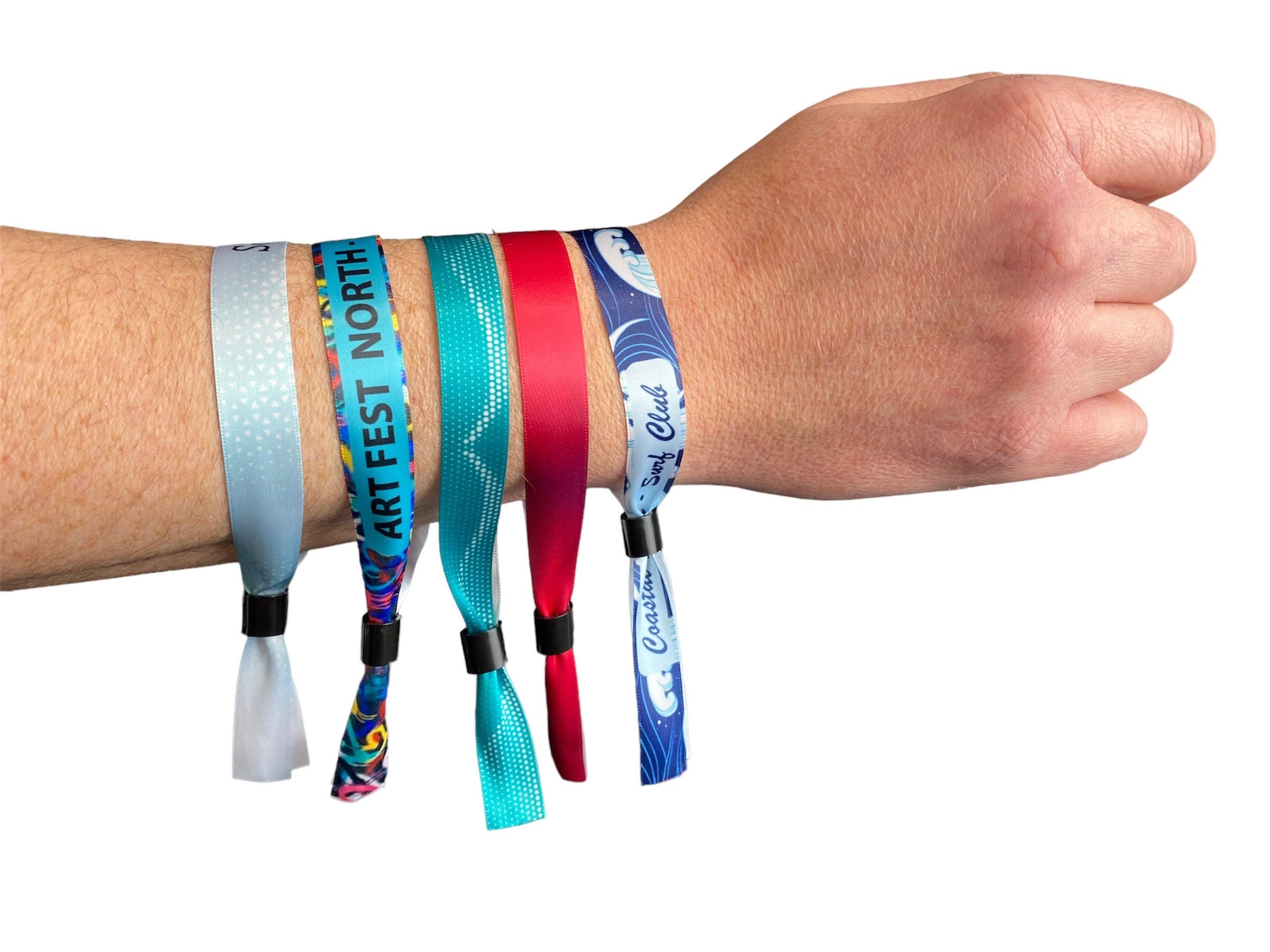
Picture this: Meeting someone whose arm tells a colorful story, without them even saying a word. I recently heard about someone who wore 15 years’ worth of festival wristbands — a tangible tapestry of memories, music, and meandering paths. But, what might seem like simple bands of fabric actually open the door to a much larger narrative about culture, community, and the enduring power of live music experiences.
The Humble Origin of Festival Wristbands
Wristbands have become iconic emblems of live events. Their origin, though, is a mix of practicality and tradition. Historically, wristbands serve the basic function of identifying who’s allowed into an event. They ensure safety and streamline logistics. Yet over time, these bands have morphed into keepsakes, mementos cherished long after the music fades.
The idea of a collectible wristband can be traced to the early days of music festivals like Glastonbury and Woodstock. Attendees wore their entry passes — often paper tickets or stamps — as badges of honor. Modern festivals have evolved this into vibrant wristbands, often made waterproof for durability, hinting at the technological advancements cherished by event organizers and festival-goers alike.
More Than Just Fabric: The Emotional Resonance
It’s fascinating that something as simple as a fabric band can hold such profound emotional weight. Psychology suggests that tangible objects can help cement our memories in a more vivid way. Dr. Endel Tulving, renowned for his work on memory, explains that cues like these can trigger episodic memory, a type of recollection that’s rich with sensory detail and emotion.
For many, a wristband isn’t just a ticket. It’s a reminder of a feeling. Remember that euphoric high during your favorite band’s performance, the first time you felt the bass thump in your chest, or the camaraderie found in shared glances with strangers during a silent disco? That’s what these bands wrap around our wrists — a living narrative looped around our skin that brings us closer to our past selves and experiences.
The Cultural Phenomenon of Music Festivals
Festival culture is as diverse as it is vibrant. Take Coachella in California, for example. Since its inception in 1999, it has evolved from a music festival into a barometer of trends. Simply attending marks you as part of a global conversation on music, fashion, and social media.
On the other side of the Atlantic, Glastonbury is a beast of a different nature. Rooted in counterculture, it celebrates not just music but a way of thinking and living, illustrating the convergence of social issues and art. And through it all, attendees collect wristbands that symbolize their allegiance to these ideologies and experiences.
The Science Behind Collecting
Why do people treasure these threads of memory so deeply? Collecting is an innate human trait. Professor Russell Belk, with his influential work on possessions and extended self, suggests that the things we collect become extensions of who we are. They are a testament to our journeys, our values, our joys. Festival wristbands, then, are not just keepsakes; they are part of one’s identity, layered with meaning and personal history.
A Sustainable Twist
In recent years, there’s been a shift towards sustainability in festivals, and wristbands are no exception. Companies are developing biodegradable options to reduce environmental impact. For the eco-conscious festival enthusiast, this is a welcome change, ensuring the festival’s spirit lives on without the footprint.
Wrapping It All Up
Meeting someone with 15 years’ worth of wristbands is like encountering a living archive. Each band tells a story, each thread weaving a narrative of music, individuality, and shared experiences. It’s a constant reminder that while festivals come and go, the memories — and the friendships formed — are forever stitched into the fabric of our lives.
So, next time you see a festival wristband, know there’s more than just a festival attached to it. There’s a story, a moment frozen in time, a piece of someone’s heart.
**
About the Author