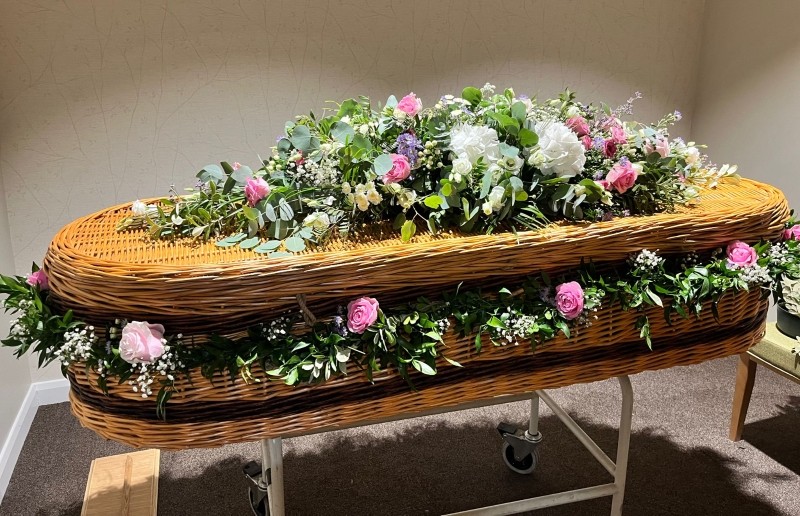
The front room smelled faintly of coffee and lemon polish; a brass bell sat beside a ledger with a single coffee ring. A woman in a navy cardigan moved a stack of brochures with careful hands.
You might not think much about where grief meets commerce. Most of us, for obvious reasons, keep it at arm’s length. But that low-key space — the funeral home, the memorial app, the green-burial startup — has been growing in ways that surprise even people who cover business beats.
A steady, overlooked market
Funeral directors will tell you the phone never stops. In town and across suburbs, the routine of wake, words, and burial has been remade into a surprisingly large, quietly profitable industry. What used to be a handful of local firms handling caskets and flowers now includes national companies, online memorial platforms, cremation-focused challengers, and vendors selling biodegradable urns and DNA preservation services.
Demographics are the blunt reason. The population over 65 is expanding — a fact highlighted in Pew Research findings that trace the demographic shift shaping healthcare, housing, and, yes, end-of-life services. An aging population naturally increases demand for services tied to death, but it’s not only numbers. Preferences have shifted from traditional burials to cremation and personalized ceremonies, and that shift cascades into new businesses: crematoria, memorial tech, eco-burial suppliers, and even grief counseling subscriptions.
“It’s weird to say, but business has been steady — and then some,” says Marta Ruiz, 52, who’s run a midwestern funeral home for nearly two decades. “People want different things now. Some bring a playlist and beers; others ask for a tree to be planted with ashes. You learn to keep a flexible head. It’s… emotional work, but there’s real demand.”
Where the money shows up
You don’t see massive billboards for these services, which is part of why the growth feels under the radar. Instead the evidence is in specialty suppliers and ancillary markets: florists pivoting to longer-lasting memorial arrangements, cremation centers scaling operations, software firms selling livestreaming tools for services, and startups packaging grief support into memberships.
Mainstream newsrooms have tracked a rise in investment and consolidation — a handful of national funeral chains expanded via acquisitions, and venture capital has quietly drifted toward “death tech” companies providing digital memorials, estate-planning tools, and urn-delivery services. Reuters has run pieces about investors eyeing the sector’s steady cash flows, while government population reports show the demographic tailwind that underpins it.
James Harlow, 34, who co-founded an app for virtual memorials last year, describes the investor pitch as oddly straightforward. “I mean, nobody wakes up thrilled to talk about death, right? But the math — repeat customers, predictable needs — it’s there. Investors say, ‘we’ll take steady,’” he says with a half-laugh. “And honestly, people want convenience. My grandmother would’ve called it strange, but she’d have used it.”
Not just grief — preferences and tech
A few trends explain why this sector’s growth feels less flashy but no less real. Cremation rates have climbed steadily in many countries, pushing demand away from burial plots and toward other products. Environmental concerns are creating a niche for “green” burial services and biodegradable urns. Digital life has created a market for managing online legacies: friends and family expect livestreams, digital obituaries, password transfers and curated remembrance pages. Meanwhile, healthcare advances mean older people live longer — sometimes with complex end-of-life needs — and families are planning earlier and more deliberately.
Yet this evolution raises questions. Pricing transparency remains a sore point; consumer advocates have pushed for clearer price lists and regulation. Some regions have rapidly consolidating chains that critics argue squeeze small, local providers. Sources remain conflicted on whether newer digital offerings reduce isolation or commodify mourning.
A human side to an industrial trend
I visited a small funeral home in a town you’d miss if you blinked. The director wore a faded baseball cap tucked on a peg, and a worn golf glove sat on a filing cabinet. The chapel smelled faintly of lilies. She told me about families piecing together ceremonies from a patchwork of traditions — a potluck reception here, a candle-and-vinyl memorial there — and about a local florist who now sells seed-paper cards that bloom into wildflowers. It struck me as both entrepreneurial and intimate.
There’s also the surprising ripple effect: local cemeteries buying back plots and creating memorial gardens, hospice providers packaging aftercare, and small-town plumbers getting busier handling cremation equipment. (A detail I couldn’t resist: one embalmer kept a battered Beatles cassette behind the counter — an old habit, a nod to bygone comfort.)
The contradiction: growth with unease
Growth isn’t uniform. Urban centers might support high-end personalized services and tech startups, while rural areas still rely on family-run homes. Regulations vary, and that patchwork makes some entrepreneurs cautious. It remains unclear how much the deathcare boom will normalize digital memorials or whether new services will displace traditional providers entirely. There’s also the ethical question of monetizing grief — a gray area that doesn’t sit comfortably with everyone.
Where this matters to you
Why should a reader care? Because this quiet industry affects costs, community rituals, and how we plan for the inevitable. Knowing that cremation infrastructure, digital memorialization, and eco-burial options are expanding helps families make choices and might nudge policymakers toward clearer consumer protections. The business reality also means jobs: technicians, counselors, florists, platform developers, and delivery drivers. It reshapes local economies in subtle ways.
If you’re planning ahead, you’ll want to compare pricing and services, ask about livestream options, and check credentials. Consumer protection groups and government consumer pages offer checklists for comparing providers. For journalists and policymakers, the sector is a reminder that steady demand can be just as newsworthy as headline-grabbing booms.
A small, honest aside
I used to avoid these conversations. Then my mother asked me, over coffee rings and a crossword, where I’d want to be remembered. We laughed awkwardly. It made everything feel both more ordinary and urgent. Writing about this industry, I found it human at its core — a business, yes, but one that’s braided with grief and memory.
The takeaway: not glamorous, but growing
This isn’t a Silicon Valley gold rush. It’s quieter, steadier, and driven by long-term demographic shifts and changing preferences. The deathcare economy is expanding in plain sight — stitched into rural towns and urban startups alike — and will keep shaping how we say goodbye.
Sources lightly referenced in reporting included Reuters coverage of industry investment, Pew Research demographic analyses, and national demographic reports that track aging populations and related service demand.
About the Author