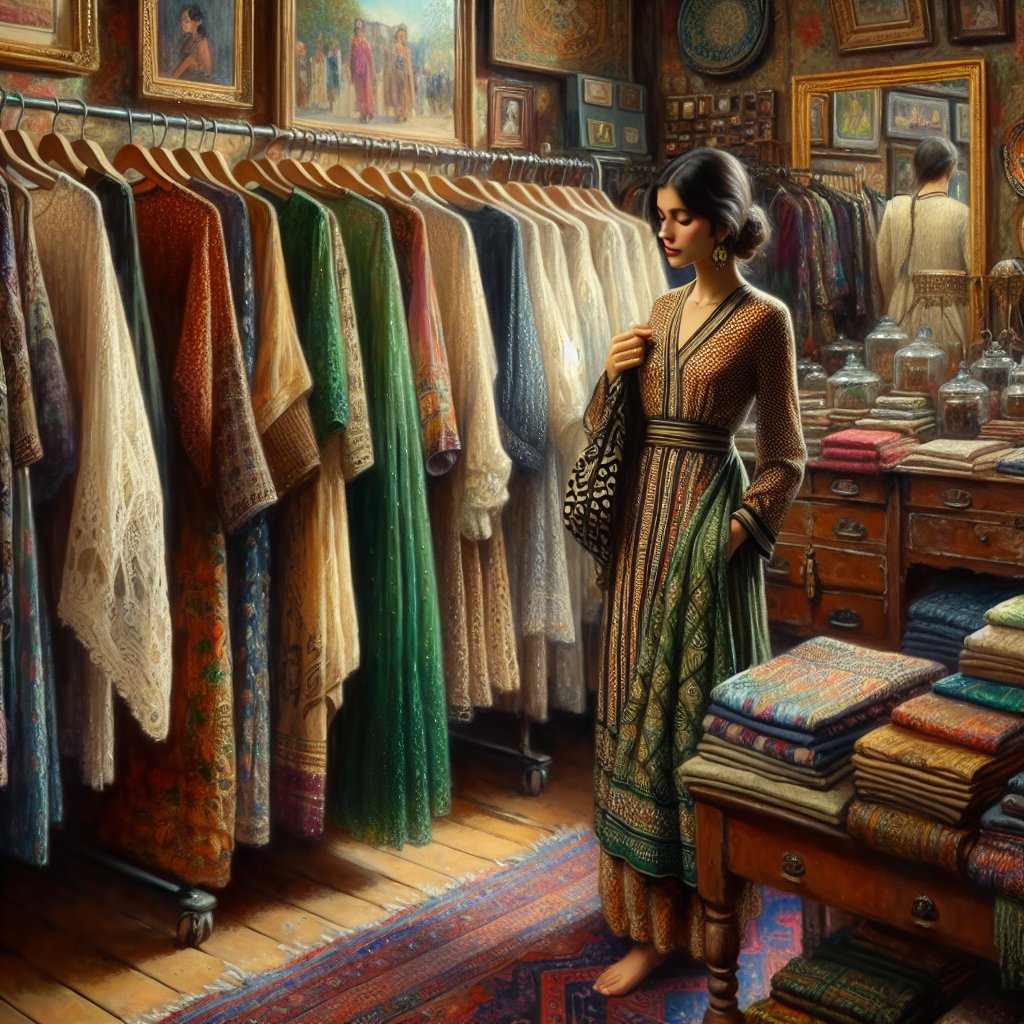
Imagine we’re sitting together at your favorite café. You’ve just shown me a dress you thrifted months ago. It’s been gathering dust in your closet while you’re stuck in a cycle of wonder: “Is this dress uniquely charming, or just plain ugly?” This common dilemma is not only relatable but also opens a fascinating dialogue about fashion, identity, and choices.
The Art of Thrifting: A Historical Glimpse
Thrifting has long been more than just a saving grace for budget-conscious individuals. Rooted in sustainability, it’s a celebration of fashion history and personal expression. Born out of necessity during the Great Depression, thrift stores offered affordable clothing options. Fast forward to the 1960s, and thrifting became synonymous with the counterculture movements as people protested the mass-market fashion. Today, thrifting is a mainstream treasure hunt enjoyed by fashion lovers of all ages seeking unique or vintage pieces.
Ugly or Unique? The Psychology of Fashion Choices
Our brains are wired to be critical of what we wear, often rooted in psychological concepts like impression management—how we control the image others have of us. This is coupled with cognitive dissonance, where our initial appreciation for the quirky shape or bold print of a thrifted dress may clash with societal norms or feedback from friends.
Research from the Journal of Consumer Psychology points out that our clothing choices are deeply personal, reflecting not just individual taste but also group identity. Clothes can be transformative, influencing not only how we’re perceived but also how we feel about ourselves.
The Social Labeling of ‘Ugly’
What is labeled as ‘ugly’ can often hold its own special magic. Think of the ‘ugly’ sweaters dominating holiday parties or how once-ridiculed trends like mom jeans have made robust comebacks. Fashion expert Valerie Steele, director of the Museum at the Fashion Institute of Technology, suggests that what might appear unattractive to one person can be an artistic masterpiece to another. In other words, ‘ugly’ is largely subjective.
Sustainability and Personal Style: The New Frontier
As awareness about fast fashion’s environmental impact spreads, there’s a newfound appreciation for the secondhand market. Organizations like the Ellen MacArthur Foundation estimate that a shift towards recycling fashion could cut waste significantly, turning style choices into not just personal but also ecological statements.
A Friendly Test Run
Here’s where you come in. Next time you’re unsure about a thrifted piece, wear it out to a casual event. You might receive a range of reactions—everything from praise to puzzled looks. But remember, feedback is just a surface-level reflection of personal taste, not a definitive critique of your style sense.
Embracing Who You Are
The core of thrifting isn’t about following trends; it’s about fearlessly expressing who you are. Fashion is fluid, allowing space for experimentation. Those quirky pieces sitting in our closets hold stories of self-expression and individuality waiting to be told.
So, next time you find yourself debating the fate of a thrifted find, take a moment to enjoy the story it carries and the dialogue it provokes. After all, fashion is as much about the conversation as it is about the clothes.
**
About the Author