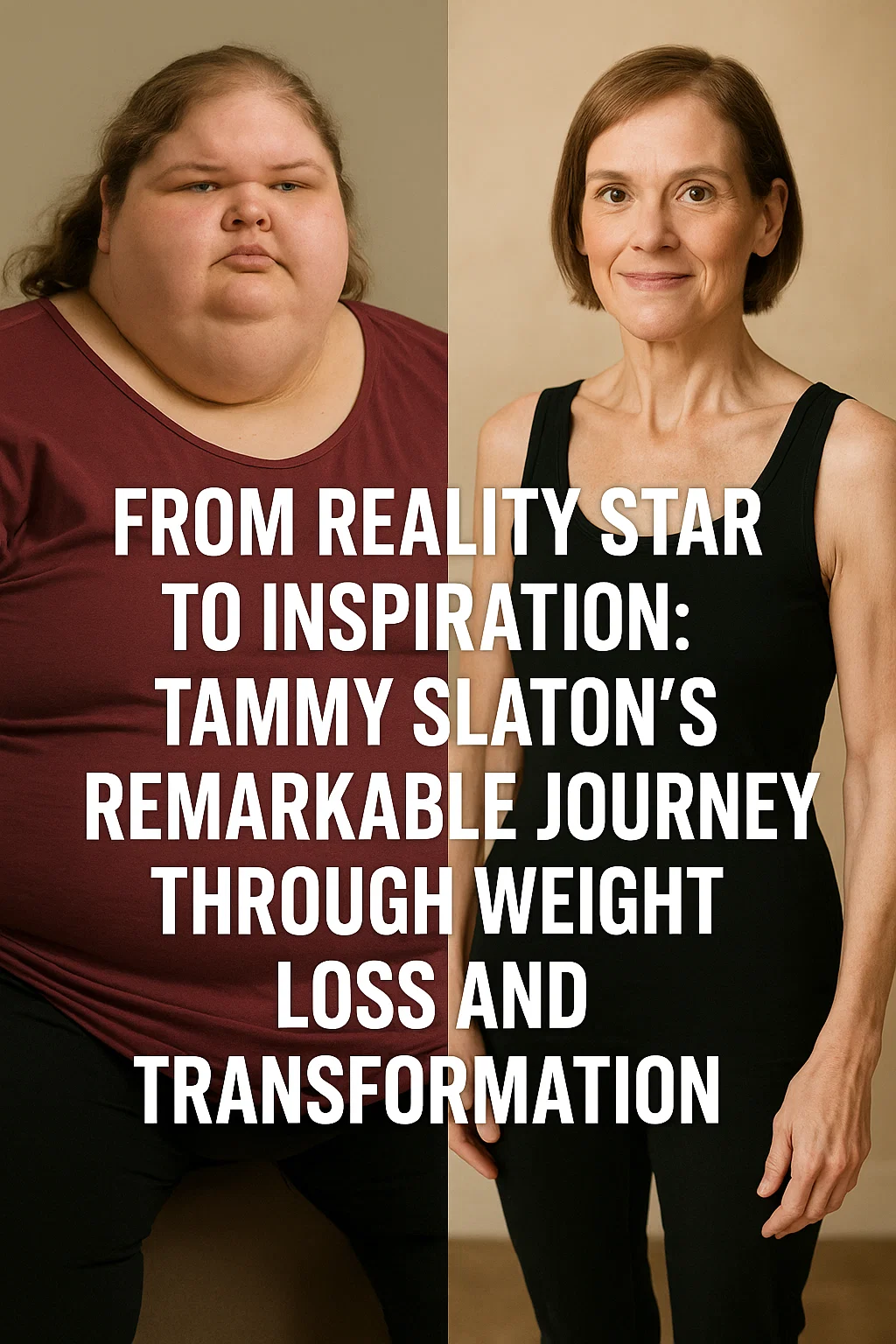
When I first stumbled upon a Reddit post about Tammy Slaton, known from the reality TV show “1000-lb Sisters,” I was floored. The image of her seemed almost surreal – she was barely recognizable due to her incredible weight loss and subsequent skin removal surgery. It got me thinking about the huge personal and physical transformation she went through, as well as the broader implications of such a journey. Let’s dive into her story, the science behind massive weight loss, and what it means on a larger scale.
The Real Deal with Reality TV Transformations
First things first, reality TV has a knack for dramatizing real-life scenarios. But when it comes to Tammy Slaton, her transformation journey is as real as it gets. We’ve watched Tammy struggle with her weight and health over various seasons of the show, which revealed not just the physical hurdles but also the emotional and mental ones. It’s been a long road punctuated by small victories, setbacks, and the persistence to overcome an immense challenge.
Understanding Weight Loss: The Biology and Psychology
Real change, especially something as monumental as weight loss, is deeply rooted in both biology and psychology. Tammy’s transformation didn’t happen overnight. It was the result of sustained changes in diet, exercise, and perhaps most crucially, her mindset.
Biological Factors: The science of weight loss is pretty straightforward at first glance: burn more calories than you consume. But it’s so much more complex. Metabolic rate, hormonal balance, and genetic predispositions all play roles. For individuals like Tammy, whose starting point involved hundreds of pounds to shed, the body’s response is unique. Extreme weight loss can increase levels of hormones like ghrelin, which increases appetite, while decreasing levels of leptin, the hormone that signals fullness.
Psychological Impact: The mental aspect can’t be overstressed. Psychologists emphasize the importance of a positive mindset and support system in facilitating weight reduction. In Tammy’s case, the visible changes after a skin removal surgery can significantly impact mental health, often boosting one’s self-esteem and improving the quality of life.
The Role of Surgery in Transformations
Skin removal surgery is often a necessity rather than a mere option for those who lose a significant amount of weight. Loose skin, while a testament to the effort one has undertaken to reclaim their health, can pose new challenges. It may lead to discomfort, hygiene issues, and even infections. Surgical removal isn’t just about appearance; it’s about regaining comfort and normalcy in daily life.
Beyond Tammy: Broader Trends and Insights
Tammy’s story can be seen as part of a larger trend where radical personal transformations become a point of public engagement and inspiration. Reports from the American Society of Plastic Surgeons indicate an increase in skin removal surgeries as more people achieve substantial weight loss through both surgeries and lifestyle changes.
The inspiring story of people like Tammy isn’t just motivational fluff. Research shows that visibility of successful transformations can encourage others to seek help and begin their own journeys. It’s not just about reducing numbers on a scale but achieving a healthier, more sustainable lifestyle.
Inspiration and Realism in Personal Transformation
Stepping back, what Tammy’s journey reminds us is that change is incredibly personal. It’s a daily struggle and triumph packed into one—and while her path may be publicized, each person’s journey is unique and significant. It’s not about achieving a TV-worthy transformation but about finding a balanced and healthy life.
So, to all those embarking on your personal journey, take heart. Evidence and stories like these aren’t just rare occurrences but are becoming increasingly feasible thanks to medical advancements and broader acceptance of these lifestyle stories in society.
In conclusion, Tammy Slaton’s story is more than just an eye-catching transformation; it’s an inspiring narrative showing the power of determination, medical science, and the profound impact of self-acceptance.
About the Author