A single newspaper fluttered in the pre-dawn breeze, the faint scent of gasoline from an idling bus merging with the sharp steam of a nearby coffee cup. Down the street, streetlights still cast a yellow hue on shuttered newsstands. In that quiet hour, nothing seemed amiss—but by mid-morning, a polling-place hush would give way to an uproar over supposedly routine numbers.
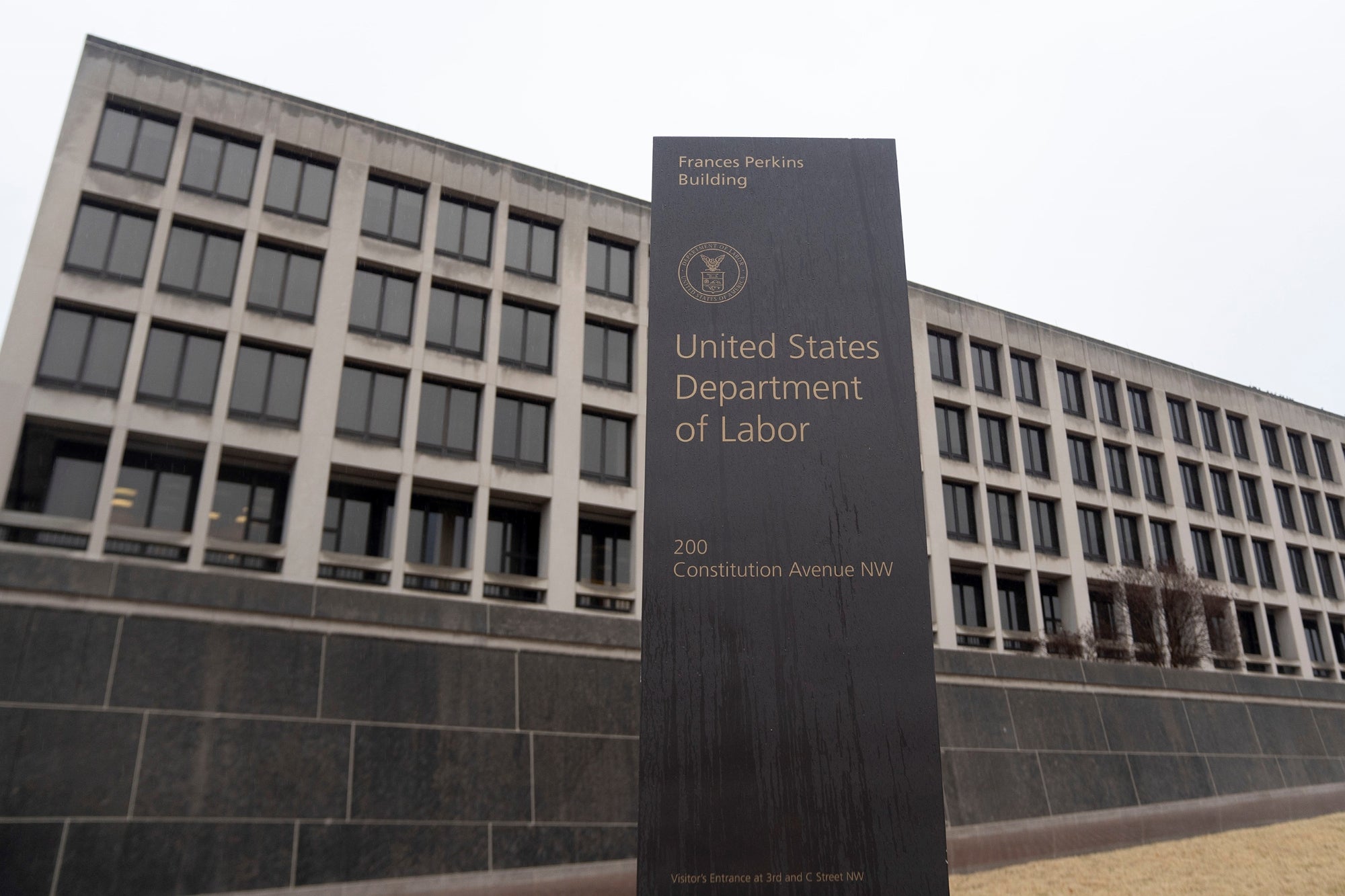
The calm of early August morning masked a brewing storm. By the time reporters had poured their first cups, a headline floated from Washington: President Trump had just sacked the top official who publishes America’s monthly jobs report. No charted market sell-off or new trade deal had triggered it, just a rescheduled pair of payroll statistics. In this moment, even seasoned journalists paused—why would a few thousand jobs spark such drama?
Revised Figures
It turns out the numbers themselves were startling. When the Bureau of Labor Statistics (BLS) released its July employment report, it showed only 73,000 new jobs added – far below what optimistic analysts had penciled in. Even more surprising were the revisions: earlier gains in May and June were cut by a total of 258,000 jobs (www.reuters.com). For context, a swing of a quarter-million jobs is enough to wobble confidence.
These revisions aren’t a new twist – the BLS has long updated its estimates as better data arrives. In fact, economists point out that this revision process was specifically instituted in 1979 to improve accuracy (www.axios.com). In practice it means a preliminary jobs tally is later fine-tuned as more business surveys come in. Ordinary workers rarely follow these details, but markets do: a sudden downward revision can spook investors, even if it simply reflects normal data shuffling. Many analysts attribute the slower hiring partly to broader policies, noting headwinds from recent trade tariffs and tightened immigration that have cooled labor demand (www.reuters.com).
In Washington, the new figures set off alarm bells for the White House. In a Truth Social post, President Trump pointed to the modest gain and cuts in the earlier numbers as evidence of malpractice. He denounced the count as “so wrong” and labeled the BLS director, Erika McEntarfer, a “Biden political appointee” whose work he claimed was untrustworthy (www.reuters.com). Within hours, McEntarfer — appointed by President Biden in 2023 — was told to pack her things. Her deputy, William Wiatrowski, was named acting director in her place. Trump promised to replace her with “someone much more competent” (www.reuters.com).
This sequence of events caught even political insiders off guard. BLS officials are veterans of both parties, traditionally shielded from partisan battles. The Axios news site underscored that the bureau’s scientists are “traditionally shielded from political influence” to ensure the technical accuracy of reports (www.axios.com). In short, you usually don’t fire data analysts over a lower headcount. As one Reuters note dryly observed, the president’s accusation that the report was “falsified” appeared to rest on no new evidence (www.reuters.com). In fact, neutral observers point out that any errors were simply the result of cautious initial counting.
Eroding Trust?
Profound unease rippled through policy circles. A Reuters poll last month found 89 out of 100 top economists and hacount analysts worried that cuts in statistical agencies were already undermining data quality (www.reuters.com). Nearly all respondents fretted that falling survey participation and headcount reductions at places like the BLS could make inflation and jobs data less reliable. Warnings that “politicizing economic data could undermine [their] credibility” now seemed prescient (apnews.com). Major news outlets noted the firing was “unprecedented,” with former BLS chiefs and economists warning it risked shaking public confidence in U.S. statistics (apnews.com).
In practice, trust in numbers is fragile. For decades policymakers treated BLS releases as a gold standard. The Axios interview with a White House economist called this change notable, reminding readers that the BLS is still viewed by many as the world’s gold standard for labor data (www.axios.com) (www.axios.com). It was designed to be above politics. As Reuters reported, the dismissal drew sharp criticism from both labor unions and lawmakers on the left, who cautioned that treating routine data updates like political blunders could erode the statistical system’s integrity (www.reuters.com) (apnews.com). Even a casual disturbance in the ranks could ripple far beyond July’s report.
Amid all this, details remained murky. Did the White House really suspect McEntarfer of malfeasance? Officially, no evidence of deliberate “falsification” has surfaced. Some analysts point out that slower job growth was already pinning on Trump’s policies. In that light, firing the messenger (or rather, the number-cruncher) looks either petulant or strategic. Perhaps this is meant as a wake-up call to buoy future reports. Alternatively, it could simply placate impatient political allies wanting good news. One thing is clear: the reality is likely more complicated than a simple cover-up. And so far, neither outcome is certain.
Voices on the Ground
Around the country, ordinary Americans reacted with a mix of bemusement and apprehension. The idea that job numbers could spark a Cabinet-level move prompted plenty of sidewalk chatter. “I’m not an economist, but sheesh,” said Benny Alvarez, 38, a hardware store owner in Chicago, leaning against his worn counter. He swept a stray coffee ring off his notepad for emphasis. “We rely on those reports – heck, we plan the whole year around them. All of a sudden, someone gets the boot because the math changed? It’s kind of spooky.” Benny shook his head and shrugged. “I mean, I hire people, I know the floor. Job counts bounce easily from month to month. This makes me wonder what else might be cooked.”
In Denver, Sandra Mitchell, 45, a high school teacher and mother of two, turned up the radio crank in her car after reading the news on her phone. A breathy Pat Benatar track from the ‘80s suddenly filled the air while children did last-minute homework in the backseat. “Talk about surreal,” she said, glancing at the “Twilight Zone” sticker on her dashboard. “At first I laughed – it’s kind of like one of those old episodes where something normal goes crazy.” But on a more serious note she admitted, “This stuff matters in real life. We trust those numbers for our paychecks and for planning retirement. Now my students are gonna say, ‘Wait, you can’t even trust jobs data?’ I mean, come on.”
Not everyone was outraged. Others felt a measure of satisfaction that the President was demanding data accountability. “If she was really looking at data wrong, somebody had to do something,” said Marcus Lee, 52, a small-business owner visiting a D.C. café. Marcus flipped through a stack of newspapers (“just old habit,” he apologized) and nodded at the headlines. “I’m no stats nerd, but if I reported low sales last quarter and checks showed I was off by thousands of dollars, I’d try to fix it too. Maybe a change in leadership will keep folks on their toes.”
These candid views hinted at the broader divide. Some Americans seeing only partisan spin; others genuinely concerned about the ripple effects. Either way, it’s a rare story where even casual news consumers pick apart a jobs report like a thriller plot. (It also reminded a few newsroom veterans of past culture wars: one of my old colleagues quipped that none of this would seem out of place in an episode of The Twilight Zone.)
Beyond the Headlines
So what comes next? Federal officials insist the BLS will continue its work unchanged. The new acting commissioner and career staff face an immediate challenge: prove by actions that sound data isn’t political data. Meanwhile, Congress is already bristling. Lawmakers from both parties have called hearings on the integrity of economic statistics. Some signaled plans to enforce greater safeguards. Others just want to know who’s in charge of these numbers next.
For the economy, the practical concern is whether statistics will remain reliable. Economists note the BLS revision practice – trimming initial job figures – is not nefarious but necessary. Without it, big late-reporting employers can skew early estimates. As one review reminded readers, that practice has existed for decades (www.axios.com). Still, after rounds of budget cuts (BLS staff are down around 15% since early 2025) and the scrapping of advisory panels, critics fear we’re in unfamiliar territory (www.reuters.com) (www.reuters.com). A Reuters analysis pointed out that similar actions (firing other statistical advisers, proposing to exclude federal spending from GDP) have already raised eyebrows (www.reuters.com). It all suggests this is part of a broader pattern of shaking up how Washington crunches its own numbers.
The truth may be murky. One possibility is that a fresh face at the bureau will tweak processes to avoid such “surprises” – though skeptics note that any new director will still answer to the White House. On the other hand, sidelining career officials could also slow efforts and lower morale. “Change can cut both ways,” economist Dr. Annabelle Winters observed from New York. “In theory, an agency runs better with fresh leadership. But when you oust someone midstream – without a scandal – you risk scrambling expertise.”
For readers trying to make sense of it all, here’s the takeaway: pay attention to the data itself, not just the drama. Monthly jobs reports will likely stay in focus, even more so now. If the political winds keep tugging at the BLS’s work, expect a little side-eye from markets and an extra query or two from savvy voters at the dinner table. This episode underscores a larger lesson: in times like these, numbers don’t speak for themselves. They can become part of the story, for better or for ill. And us journalists? We keep listening – not just to the bullet points, but to the questions behind them.
About the Author