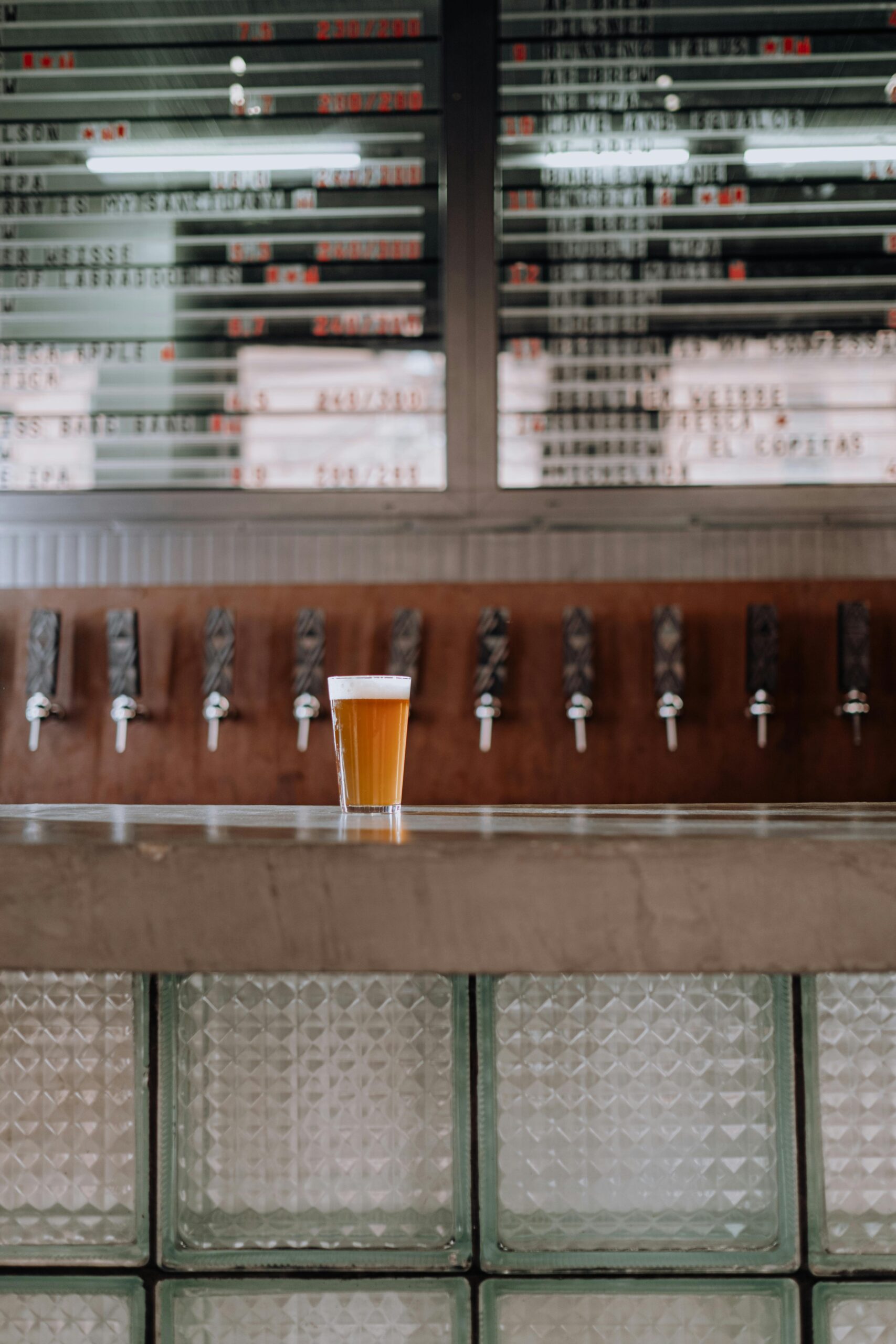
The neon above the door buzzed low, spilled lime on the sticky counter smelled faintly sweet, and a coaster bore a dark coffee-ring stain. Outside, someone’s dog nosed my hand—pet him right after the pic, don’t worry—someone had written in the caption.
That little image stayed with me: a private small moment pasted to a public stage. One small rite of passage—stepping into a bar at 21—can feel both intimate and oddly performative. It’s a chance to claim an adulthood you’ve been told is official at the stroke of a birthday, and also a moment that carries real risks, social cues, and a surprising amount of etiquette nobody taught you in high school.
Why the fuss over one night?
Bars are cultural theatres. For many Americans, turning 21 still reads like a certificate granting new freedoms: you can order a drink, step up to the rail, be part of an adult rhythm that’s been rehearsed in pop culture for decades (think a little Cheers, minus the laugh track). But the social meaning of that milestone has shifted. Recent polling shows fewer young adults drink regularly than earlier generations, a trend driven by health concerns, changing tastes and even the rising popularity of alternatives like cannabis. (news.gallup.com)
There’s also a health and safety side that deserves plain talk. Public health data remind us that risky drinking patterns still exist. The Centers for Disease Control and Prevention notes thousands of young people die from excessive alcohol use each year, and underage drinking remains a serious contributor to accidents and long-term harm. That’s not a party-pooper line so much as a reality to hold in one hand while you raise a glass with the other. (cdc.gov)
Walking in: what to expect
The first time in a bar can feel like theater rehearsal with no script. Bartenders watch body language closely. They’ll ask for ID—don’t be surprised by a flat, professional request even if your ID looks like a museum artifact. Order simply. Ask questions when confused. You’re permitted to be new at this.
Tom Reid, 48, who’s tended bar in a Midwestern college town for 25 years, remembers the first-timers fondly. “You can tell the 21-year-olds,” he said, a slight laugh in his voice. “They’re equal parts nervous and proud. I’ll usually give ’em the small talk, help them pick something—something not neon green—and just watch. Most are fine. A few think shots are a sprint. That’s when I look out for them.” Tom’s forearm shows a faded tattoo of a compass, and he absentmindedly taps it when he’s making a point. (A little detail I keep noticing.)
What counts as “good”?
If your goal is simply to have a pleasant night, that’s fine. A “good” first bar visit usually means you leave where you arrived: safe, in control, and with a clear plan to get home. Short-term pleasures can be balanced with short check-ins—did I drink enough water? Do I remember my keys? Who’s my exit plan? Simple things, often forgotten when music and friends are loud.
Maya Lopez, 21, a grad student who celebrated recently, told me, “I mean, I was excited—like, obviously—but I also texted my roommate my ETA. I didn’t do anything crazy. We laughed a lot, I had a drink I liked, and yeah, I pet the bar dog afterward. Felt normal. Felt adult.” Her voice had that mild, happy breathlessness young people get when something ordinary suddenly feels symbolic.
Social media complicates it
There’s pressure now that didn’t exist decades ago. A selfie with a neon cocktail is both a private memory and content. Viral moments—dance clips, over-the-top challenges—can frame a night, sometimes unfairly. Pew Research’s recent work on attitudes toward alcohol shows many adults think drinking has more risks than benefits, and those views help shape how younger people approach nights out. People are simultaneously curious about the ritual and wary of what it signals. (pewresearch.org)
The policy and health angle
Public health campaigns and changing norms mean the cultural permission to drink has been tightened by greater awareness. The reality is likely more complicated than a binary “go” or “don’t go” answer. Younger cohorts drink less on average, but binge patterns still exist in pockets; different communities have very different norms. For readers wondering whether a single bar visit is “good,” the safer, more useful question is: what do you want the night to do for you, and how will you keep yourself safe?
Practical tips without preaching
- Go with people you trust.
- Plan your ride home before you sit down.
- Alternate alcoholic drinks with water.
- Keep ID and a phone in an inside pocket.
- Tip the bartender—you’ll be remembered.
Small, mundane practices stack up. They make a night out pleasant rather than a cautionary tale.
A small contradiction
Some of the evidence points one way—young adults drinking less—and yet bars are still reinventing themselves to draw this cohort out, making spaces feel homier and less intimidating. Businesses see an opportunity; public health sees a challenge. Sources remain conflicted about how fast habits will change, or whether the recent dips in drinking will last. It’s open for now. (news.gallup.com, bonappetit.com)
A brief aside (quirky, but human)
On one of my own early nights out, I dropped my wallet and a woman in a beret picked it up, handed it back and then asked if I’d seen the movie The Godfather. I had not finished the movie then. That makes zero difference to your 21st birthday but is the kind of slightly ridiculous memory that clings to firsts. You’ll get at least one of those too.
Wrapping up
So: is your first bar visit “good”? Likely, yes—if you treat it as a small, manageable rite with some planning. It’s less about the legal permission and more about stepping into public life with a bit of care. Be curious. Be cautious. Laugh when it’s funny, ignore the viral pressure when it’s not. And pet the dog afterward—people still do that. (I did, once. Felt fine.)
If you want, bring someone older with you who’s sensible. Or don’t—adulthood contains both tiny tutelage and the freedom to discover your own rhythm. Either route can be fine.
About the Author