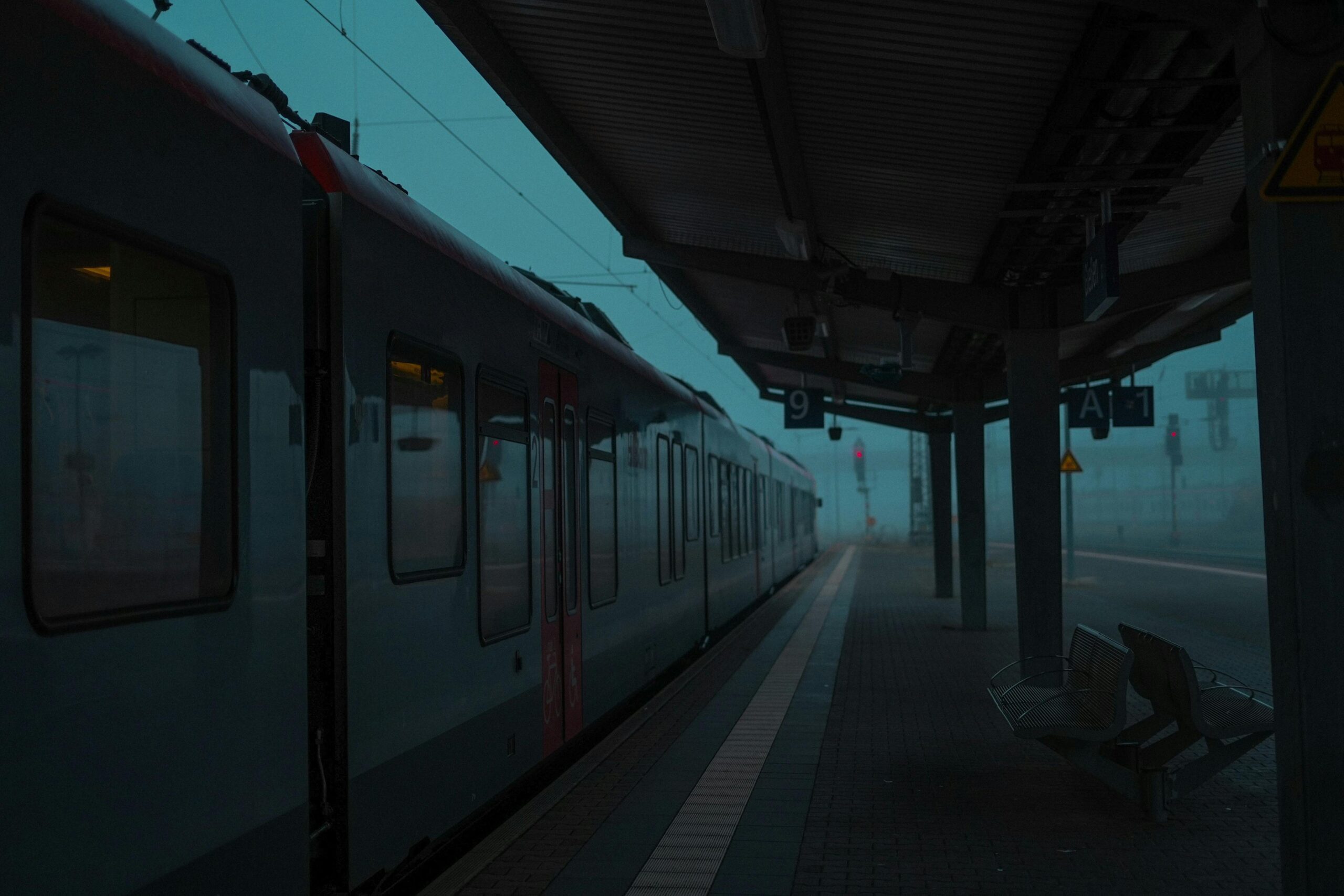
A misty platform at dawn, damp cobblestones smelling faintly of diesel and fresh coffee, my notebook tasseled with a coffee ring. A woman in a wool cap fumbles a paper ticket; a cat pads by, unimpressed.
That cat stole a minute from me, which is the sort of small thing that tells you whether a place will stay on your mind. I’d been to Germany’s headline cities before. This time I set out to find the quieter stops — the towns you pass on intercity routes, the regional stations where the timetable is a conversation between locals and conductors.
A different rhythm
Germany’s rail system has long been admired for its reach and density. The long-distance ICE trains get the headlines, but regional services stitch real lives together. Recent Pew Research findings point to growing interest among travelers in “slower” trips and more authentic encounters; that trend shows up in how people choose regional trains over rental cars when time allows. At the same time, occasional stories in Reuters about strikes, infrastructure strain, and rolling-stock delays remind you nothing is uniformly smooth.
On my second day, a small regional train crawled over a viaduct and the town below looked like a postcard someone had gently dog-eared. The station’s manual signal lever — a brass handle worn bright by hands — felt like a physical link to the past. Short rides. Frequent connections. Quiet towns. But not all is idyllic. It remains unclear whether investment will keep pace with demand outside big cities, and the reality is likely more complicated than a brochure.
Slow travel, faster sense
The practical differences matter. Regional Express services stop more often and exchange more stories. In one carriage, an elderly man with a worn golf glove told me, “We used to know the guard by name. Now sometimes I don’t see the same face for a month.” His voice carried a polite impatience; he wasn’t nostalgic for nostalgia alone. In the café beside the platform, Elke Müller, 58, who’s run the same counter for twenty years, sighed as she wiped a saucer. “People think it’s all punctual and perfect — gotta say, it mostly is, but when the timetable slips you notice I’m losing customers who commute,” she said. The saucer left a faint coffee ring on the bar, precise as a small accusation.
Small towns reward patience. You get a bus timetable scribbled onto a flyer. You learn the name of the bakery that opens at 06:00 sharp. You overhear local politics. I once spent an afternoon in a riverside town where half the conversation in the market was about a proposed bike path. Nothing glamorous, but these are the trade-offs of sustaining rural life: connection and comment in exchange for the speed of big-city convenience.
People who stay
Not everyone is leaving. In a guesthouse that smelled faintly of beeswax and old books, Jonas Schäfer, 27, an IT consultant working remotely, tapped his laptop and smiled with that embarrassed pride people show when they’ve found something out before it’s trendy. “I moved here last year,” he said. “The train is 20 minutes away; I can get to the city for meetings and still grow tomatoes.” He hesitated, then added, “It’s quiet. Honestly, it saved me.” His voice carried the practical optimism of someone balancing cost, quality of life, and the unglamorous logistics of commuting.
There’s a tension here. Rural and small-town revival is often pitched as a solution to urban crowding and high rents, while planners point to efficiency gains from consolidated services. German statistical reports have tracked internal migration toward urban centers for decades, and some regional governments are experimenting with incentives to keep services local. Still, the balance between subsidized regional routes and profitable long-distance lines is not neat.
The human small-print
Travelers seeking authenticity should expect small frictions. Ticket machines sometimes default to German, app interfaces vary by region, and an uncannily punctual timetable can still be tripped by a fallen tree or delayed freight. One afternoon a group of schoolchildren burst onto a platform and the conductor — a man with a battered brass watch — laughed as he stamped tickets, saying, “Kids run the show for us.” There was warmth in that, and the sense that systems are run by people, not abstractions.
My own misstep: I missed a connection because I trusted an app notification. I felt foolish, which is a useful kind of humility for a travel writer. I spent the extra hour in a park and found a sculptor cleaning a bench. We talked about varnish and varnish’s peculiar smell (a minor digression that lingered), and I came away with a clearer map of how local economies actually operate.
Small surprises, bigger implications
These towns matter politically and economically. When regional rail loses frequency, people adjust — they carpool, they reduce commuting, they sometimes move. That shifts voting patterns, consumer behavior, and housing markets in ways that don’t always show up in glossy tourism campaigns. Snopes has debunked romanticized myths about “untouched villages,” yet the truth carries its own quiet charm: many places are adaptive rather than frozen.
There’s also an environmental calculus. Trains are lower-carbon by passenger-kilometer than cars. If regional networks remain viable, that could be a small lever for national emissions strategies. But investment choices are constrained. Questions about funding, maintenance, and who pays for rural mobility linger. The answers are not served neat.
Someone else’s story
On my last evening, a retired teacher named Ruth Becker, 72, sat on a bench with a knitting bag, watching the evening train come in. “When my students were little, we did field trips by bus,” she said. “Now I take them on the train. They like the sound.” She laughed softly. “It feels like teaching them something practical.” That line — teaching through transit — stuck with me. Travel, I realized, is also civic education.
A short note: I write this as someone who grew up watching Columbo on late-night television — slow reveals, patient attention, the small evidence that cracks a case. That sensibility suits regional rail travel. Not everything resolves neatly. Some stations will thrive; some will bend under change. Sources remain conflicted about the speed and scale of investment. The future is both hopeful and uncertain.
Practical takeaways
For readers planning a similar trip: leave room in your schedule, learn a few German phrases for ticket machines, expect slower but richer exchanges, and carry cash for bakers who still prefer it. The value here is not simply photogenic streetscapes but the lived textures you notice when you step off the beaten track.
I came home with more notes than photos, a few new friends’ names, and the odd, persistent image of that cat on the platform — unimpressed, enduring. That’s the point. Small places resist being summed up quickly. They reward repeat visits and a willingness to slow down.
About the Author