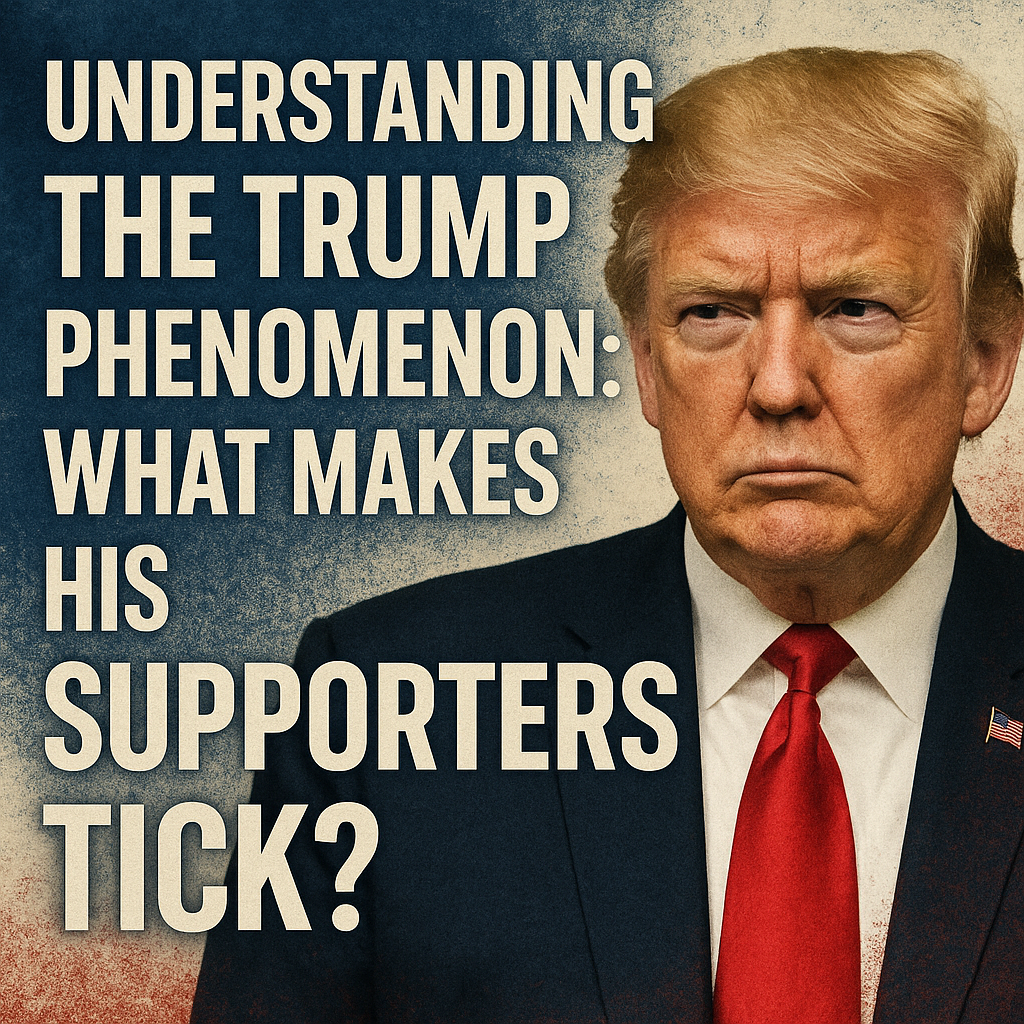
If there’s one topic that’s got people scratching their heads and debating over countless coffees, it’s the phenomenon of Donald Trump’s unwavering support base. An interesting study I came across shed some light on this polarizing subject, and it’s honestly quite eye-opening.
I stumbled upon a Reddit post that mentioned a study finding correlations between Trump’s favorability and certain psychological traits, like callousness and manipulation. Intrigued? So was I! Let’s dig into what this means and explore some deeper insights that might just redefine what we think about political support.
Examining the Psychological Profile: More Than Just Politics?
At the heart of this conversation is a study that suggested Trump supporters often score higher on measures of what psychologists call the “Dark Triad” traits – psychopathy, narcissism, and Machiavellianism. These aren’t labels to toss around lightly. They refer to:
- Psychopathy: A personality trait characterized by persistent antisocial behavior, impaired empathy, and bold, disinhibited, egotistical traits.
- Narcissism: An excessive interest in or admiration of oneself, alongside feelings of superiority.
- Machiavellianism: A penchant for manipulation and exploitation of others, often linked with deceit and a lack of morality.
But wait! Before you grab your pitchforks, it’s important to note that these traits exist on a spectrum. Most of us have some levels of these traits—they’re part of what makes us human.
Diving into the Data: What Does the Research Say?
Back in 2018, a study published in the Psychological Science journal found that supporters of populist leaders often share certain personality traits. Bernie Sanders supporters, for example, were reportedly high on agreeableness and openness. Meanwhile, Trump supporters were noted for higher levels of authoritarianism, a preference for clear hierarchies, and a strong need for order.
The study tied these findings to Trump’s rhetoric, which often appeals to such psychological needs with messages of strength, order, and “putting America first.” Plus, Trump’s no-nonsense, often brash communication style can resonate with those who admire confidence and straightforwardness—even when it flirts with controversy.
Why This Matters: The Empathy Gap
Now, what really stands out to me is the empathy aspect. The research you might have skimmed highlighted a disturbing trend: lower levels of empathy among this group. Empathy—our ability to step into someone else’s shoes—is crucial for cohesive societies. It’s no wonder then, that polarized political climates—ours included—often see stark divisions in empathy.
Historically, empathy (or the lack thereof) has shaped many significant world events. For example, during wartime, propaganda often dehumanizes the “enemy” to minimize empathy and maximize solidarity among a population. A similar strategy—of creating an “us vs. them” narrative—can mobilize political groups, sometimes resulting in division and bias.
Bringing It All Home: The Importance of Dialogue
So, what can we take away over this coffee chat? First, these findings remind us how complex and multifaceted support for figures like Trump can be. It’s not merely about policies or party lines; it’s a reflection of deeper psychological needs and worldviews.
Engaging in open conversations—not shouting matches—is key to bridging the gap. Listening, instead of assuming or labeling each other, creates pathways to understanding and maybe, just maybe, finding some common ground.
Let’s start thinking beyond the labels and more about what these trends signify about us as individuals and as part of the larger tapestry of our society. It’s in these conversations that we might discover more about not just others, but ourselves too.
For a deep dive into how psychological traits impact political behavior and what that means for us, check out some thought-provoking reads in psychology literature or contemporary analysis pieces. I’d recommend books like “The Social Animal” by Elliot Aronson or “Political Tribes” by Amy Chua if you wish to explore more on the topic.
By the end of our coffee, we may not have solved all the mysteries of political support or completely understood every psychological twist and turn. Still, we’ve taken a step toward a more nuanced discussion that goes beyond partisan lines. Isn’t that a victory in itself?
About the Author