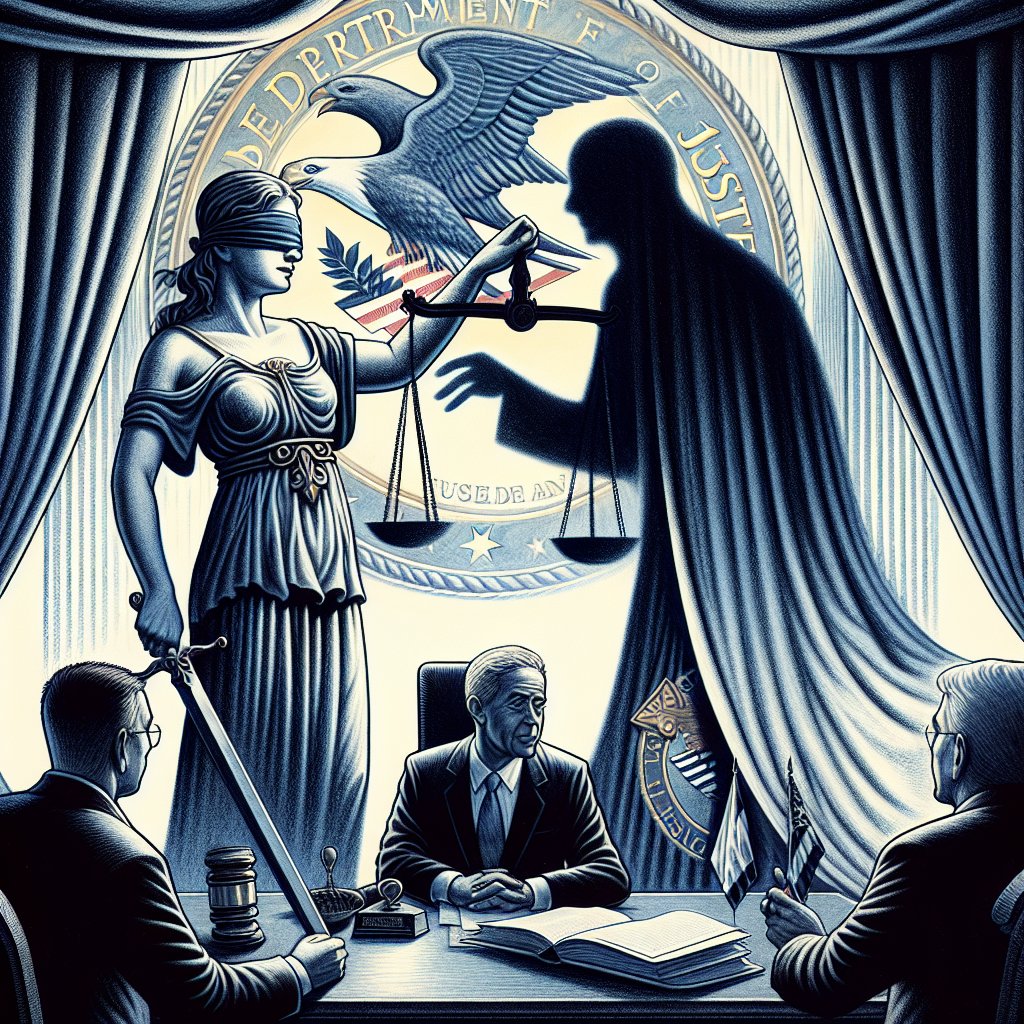
Every so often, a name clutches the headlines with a mix of intrigue and discomfort. Recently, it’s Ghislaine Maxwell who’s pulled us back into the complex web of Jeffrey Epstein’s disturbing legacy. You might wonder, “Why is she meeting with the Department of Justice, and what’s at stake?”
Who is Ghislaine Maxwell?
Ghislaine Maxwell isn’t just any name. She’s the enigmatic figure who swirled at the center of Jeffrey Epstein’s social vortex. Born into privilege as the daughter of British publishing tycoon Robert Maxwell, Ghislaine navigated elite circles effortlessly. Her charm, influence, and perhaps calculated proximity to power spotlighted her eventual downfall — her complicity in Epstein’s predatory operations.
Last year, Maxwell was sentenced to 20 years in prison for her role in aiding Epstein’s abuse of young girls. As the world watched, her trial unearthed harrowing details, casting a stone-cold spotlight on the otherwise veiled world of high society.
Maxwell’s Meeting with the DOJ: What’s on the Table?
So now, as Maxwell meets with the Department of Justice, we’re perched at another critical juncture. This isn’t just a procedural handshake; it’s potentially a key to the lockbox of secrets many believed buried with Epstein himself. What does Maxwell know? Could new testimonies implicate others, potentially within the highest echelons of power?
It’s no secret the DOJ is under immense pressure — from both public and internal sources — to ensure that justice isn’t selective. After all, crimes like this extend beyond individual guilt; they speak to systemic failures. The implications of this meeting ripple far beyond any one office. It’s about restoring faith in justice.
Why Transparency is Crucial
For years, victim advocacy groups have stressed the importance of transparency and accountability. But why does this matter? Because without it, the cycle of exploitation continues unchecked. New York University recently published studies showing that transparency in legal proceedings significantly enhances public trust, especially in high-stakes cases like this.
Moreover, transparency has been a bit of a battlefront in the Epstein saga. Records mysteriously vanished, and documented allegations languished in shadows, only seeing light in recent years. Advocacy groups argue for more open disclosure, and rightfully so, considering the case’s intense public interest and potential wider implications.
The Bigger Picture: What This Means for #MeToo
The Epstein saga, marked by Maxwell’s involvement, holds pivotal lessons for the #MeToo movement. It underscores the importance of persistent voices and collective activism in bringing powerful abusers to justice.
How does this resonate in today’s climate? According to a report by Reuters, the #MeToo movement has shifted perceptions significantly, and legal reforms are slowly catching up. However, critics argue there’s much more to be done, especially in addressing the power imbalances that facilitate systemic abuse.
A Step Forward or Clinging to the Past?
Now, what’s the takeaway from Maxwell’s meeting with the DOJ? It’s more than just courtroom drama — it’s a potential pivot towards greater accountability and transparency. As an observer, it raises vital conversations about power, privilege, and how they intersect with justice.
Whether this meeting leads to concrete developments or serves as a sidestep remains to be seen. But for now, it offers a glimmer of potential progress — a chance to untangle the threads of a shadowy network and, hopefully, inch closer to justice for all involved.
About the Author