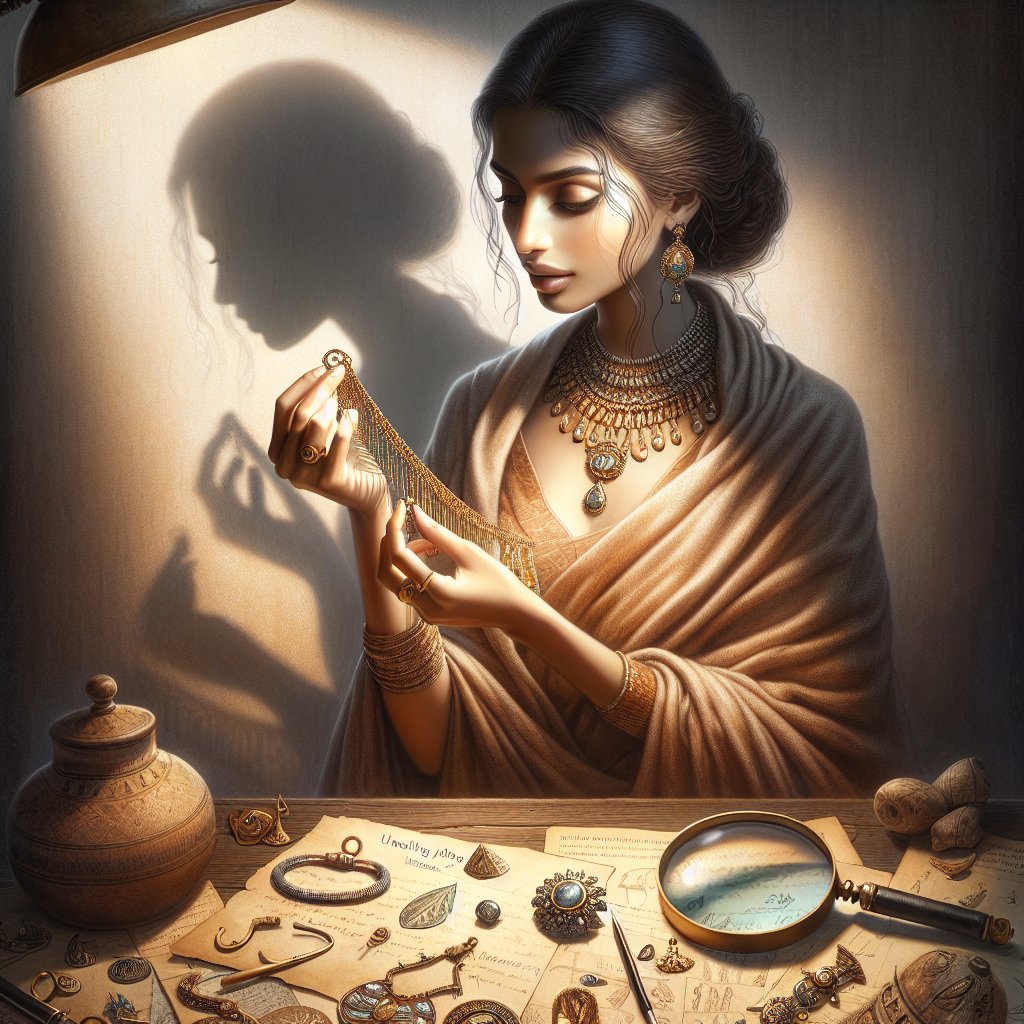
Imagine this: You’re an archaeologist, carefully brushing away sand and soil from an ancient tomb. Suddenly, a glint catches your eye. It’s a ring — over 2000 years old, resting silently amidst the remnants of a lost civilization. This isn’t just any ring; it’s a portal into the past, a tangible link connecting us to the lives and stories of people who lived centuries ago.
The Ring’s Historical Context
Finding a 2000-year-old ring isn’t just discovering a piece of jewelry; it’s uncovering a fragment of history that adds richness and texture to our understanding of ancient cultures. Such artifacts have been crucial in painting a picture of the past. This particular ring potentially comes from an era marked by fascinating developments across the globe.
Think about the timeline: 2000 years ago takes us back to the end of the Roman Republic and the rise of the Roman Empire. Across the world in China, the Han Dynasty was thriving, known for its advancements in technology and trade. The Mayan civilization in the Americas was also making strides in architecture and art. Each of these cultures had its unique art styles and craftsmanship, with jewelry like this ring acting as both personal adornment and cultural emblem.
Unearthing Hidden Stories
When we discover ancient artifacts like this ring, we don’t just learn about aesthetic preferences; we gain insights into the social and economic fabric of the time. Jewelry has long been a symbol of status and wealth. In ancient Rome, for example, rings often indicated political affiliation or social class. Could this ring have belonged to a person of high standing, a gift marking a significant life event, or even a token of alliance or love?
Furthermore, the craftsmanship of such rings tells us about the technological skills of the era. The methods of metalworking, the selection of materials, and even the design motifs can indicate trade relations and cultural exchanges between different regions. Imagine a silk road not just for spices and silk but also for ideas and artistry.
The Art of Preservation
Conserving these rings and understanding their materials allows us to protect our shared history. Using advanced techniques like x-ray fluorescence and mass spectrometry, researchers can study the elemental composition of the ring, revealing its origins and the methods used in its creation. This deep dive into material science offers clues about where the metals were sourced and the trade routes that existed.
The preservation of such artifacts is not just about keeping a piece of jewelry polished and intact; it’s about safeguarding the narratives it holds. Let’s face it, each scratch, tarnish, or modification over centuries has a story, perhaps one revealing a shift in ownership or a momentous occasion in someone’s life.
Bridging the Gap Between Past and Present
Why should we care about a ring from a millennia ago, you may ask? Well, these relics offer us a mirror, reflecting the timeless human desires and experiences that persist into the present. The urge to adorn ourselves, to express identity and status, or even to hold on to memories through tangible objects remains unchanged. In a way, ancient jewelry connects us, giving us a sense of continuity and shared heritage despite the vast expanse of time.
Conclusion
Uncovering a 2000-year-old ring is more than just a lucky find; it’s a reminder of the intricate web of human history. It’s fascinating to think about how much can be conveyed by an artifact so small — that in its silence, it speaks volumes about the people who created, wore, and treasured it.
As we hold this ring from the past, we’re reminded of the stories yet to be discovered and the tales waiting to be told in the whispers of ancient craftsmanship.
About the Author