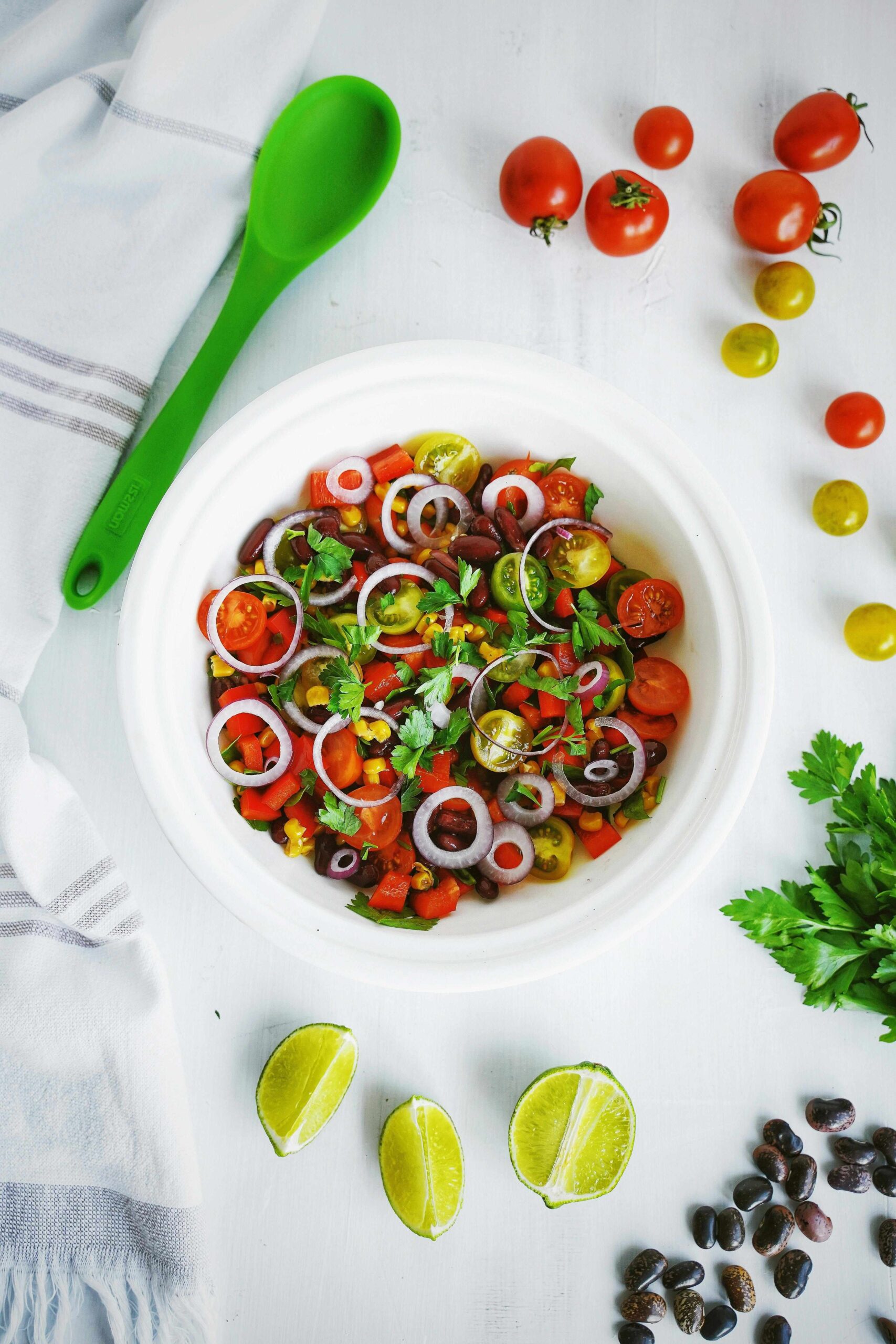
The sun had just cleared a thin morning haze, and the cafe smelled faintly of browned toast and coffee—there was a single coffee ring on my notebook, like a small, stubborn annotation. The city felt, for a moment, manageable.
Maybe that’s the thing with diet studies: they make you sit up, re-take your mental inventory. Are the choices at dinner table trivial or quietly consequential?
What the new study found
A large North American analysis drawn from the Adventist Health Study‑2 followed tens of thousands of adults and found modest but notable differences in long‑term cancer risk by diet. People who identified as vegetarian had about a 12% lower risk of being diagnosed with cancer over the study period; vegans—those avoiding all animal products—showed roughly a 24% lower risk, compared with non‑vegetarians. The paper, published in the American Journal of Clinical Nutrition this June, looked carefully at site‑specific cancers as well as overall incidence. (experts.llu.edu)
What this adds to a longer story
This isn’t an outlier. Large British cohorts have reported similar, if slightly smaller, reductions—EPIC‑Oxford found vegetarians had a roughly 10% lower risk and vegans closer to an 18% reduction—so the pattern has appeared in different populations and time periods. And broader reviews of plant‑forward diets find an average reduction in cancer risk in the low‑teens for people emphasizing plants over animal foods. Those patterns have become clearer as samples grew and analysts separated different vegetarian subtypes. (ncbi.nlm.nih.gov, medscape.com)
How scientists read the results
Two parts of the finding deserve emphasis. First, this is observational research. It measures association, not single‑cause proof. People who choose vegetarian habits often differ in many ways beyond the plate—less smoking, lower alcohol use, more exercise, and lower average body mass index (BMI). The new study adjusts for many of those factors, and the protective signals persist, but some uncertainty remains about whether diet is the direct driver or part of a bundle of healthier behaviors. EPIC‑Oxford researchers have warned of the same caveat in their own reports. (ncbi.nlm.nih.gov)
Second, certain cancers seemed to show stronger links than others. The Adventist analysis reinforced earlier hints that stomach, colorectal and some lymphatic cancers may be reduced in vegetarians, and that vegans may have lower incidence of common cancers like breast and prostate in some age groups. These are not universal effects across all tumors. The reality is likely more complicated. (experts.llu.edu, cancernetwork.com)
Voices from the field and the public
“I’ve gotta say, when I read the numbers I felt cautiously optimistic,” said Dr. Helen Mercer, 52, a medical oncologist in Seattle who treats men and women with gastrointestinal cancers. “We tell patients that no single food is magic, but shifting patterns—less processed and red meat, more whole grains and legumes—seems to stack the odds a bit in your favor. Still, we’ve seen patients on every diet get sick, so—yeah—it’s not a get‑out‑of‑cancer‑free card.”
Lisa Gomez, 34, a vegan schoolteacher in Phoenix, reacted more emotionally: “I switched three years ago and, honestly, I was worried I was missing out. Reading a study like this feels like validation—but also, I get anxious that people will judge my choices or expect me to preach. I just want to eat my lentil soup in peace.” (There was a telltale worn golf glove on the bench next to her reusable tote—small domestic details make these conversations feel human.)
Why the numbers might exist
Several plausible mechanisms link plant‑based eating with lower cancer rates. Plant‑rich diets tend to be higher in fiber and phytochemicals and lower in saturated fat; they help people maintain lower body weight and produce different blood‑borne growth‑factor profiles that might reduce cancer promotion. There’s also growing interest in the microbiome: a more diverse fiber‑heavy diet feeds different microbial communities, which may, in turn, support immune surveillance and treatment responses. Clinical writers and reviews have been cataloguing these possible pathways in the last few years. (medscape.com)
A contradiction (small, but telling)
Not every study, or every cancer type, shows benefit. Some analyses find little difference for lung or certain female cancers, and occasionally vegetarian groups show higher risks in narrow subgroups—an uncomfortable reminder that human biology and behavior don’t line up into neat boxes. It remains unclear, in some cases, whether the dietary pattern is the agent or a marker of other protective behaviors. (ncbi.nlm.nih.gov, pmc.ncbi.nlm.nih.gov)
What it means for readers
If you eat meat and worry about cancer, there are practical takeaways that don’t require orthodoxy. Shifting toward more whole plants—vegetables, fruit, beans, whole grains and nuts—while reducing processed and red meat is sensible and backed by multiple lines of evidence. Screening and proven prevention measures—vaccination for HPV, quitting smoking, limiting heavy drinking, and appropriate colon and breast screenings—still matter most at the population level. Think of dietary shifts as part of a toolkit, not a single heroic fix.
A short personal note
I covered nutrition in the 1990s—before smartphones, before podcasts, back when everyone referenced TV shows like MAS*H as shorthand. I remember a clinic waiting room with a stack of patient pamphlets, a box of stale graham crackers and that same uneasy desire for a simple answer. This study doesn’t hand one to us, but it nudges the needle. I switched two dinners a week to plant‑first meals years ago (not evangelical; more pragmatic), and my grocery list now contains lentils and a stubborn jar of tahini. Small changes add up.
A final, slightly odd aside
If you find yourself reading these results at the farmers’ market, pause to smell the basil. It’s a small ritual. It makes choices feel less clinical and more human.
What to watch next
Researchers will keep parsing which elements of these diets matter most—fiber, specific phytonutrients, or simply lower caloric intake leading to less obesity. Randomized feeding trials that are long enough to measure cancer endpoints are impractical, so better long‑term observational and mechanistic work will remain the currency of this field. Expect more nuance, and some friendly debate.
Bottom line
The new North American cohort strengthens an accumulating picture: plant‑forward, meat‑limited diets are associated with lower overall cancer incidence, with vegans showing the largest reduction in this study. That doesn’t prove causation. Still, for people weighing changes that help overall health, replacing a few portions of meat with beans and vegetables is low‑risk and likely beneficial.
Sources: the new Adventist Health Study‑2 analysis in the American Journal of Clinical Nutrition; prior EPIC‑Oxford findings; and recent syntheses of plant‑based diet research and mechanisms. (experts.llu.edu, ncbi.nlm.nih.gov, medscape.com)
About the Author