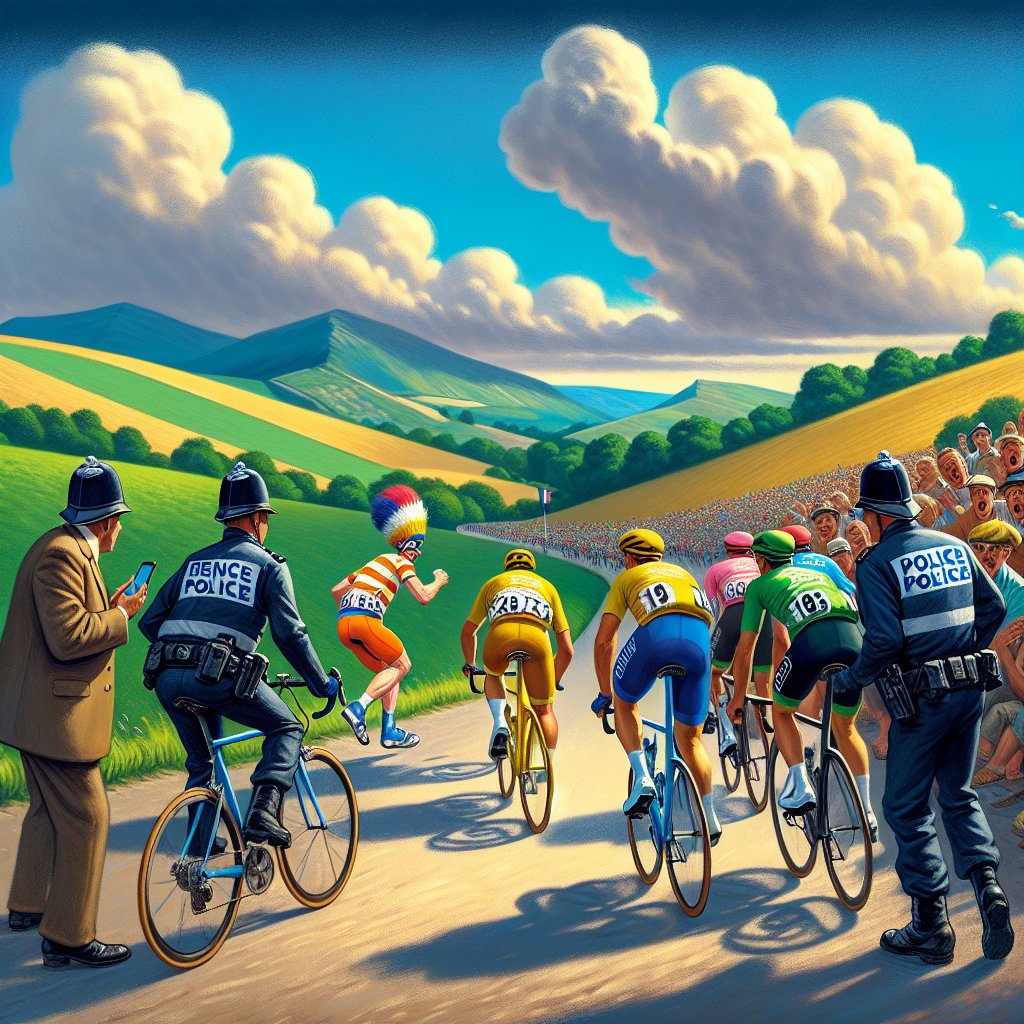
If you’re like me, the idea of jumping onto a bike mid-race at the Tour de France sounds insane—and a little intriguing. But that’s exactly what happened recently when a guy tried to join the race right at the finish line. He was quickly stopped by French police, which got me thinking: What does it take to actually pull off this legendary race, and what does the incident say about the event itself?
The Storied Tradition of Tour de France
First, a little bit of history. The Tour de France is not just a bike race. It’s a century-old spectacle that showcases the beauty of France while testing the mettle of the most skilled cyclists. Originating in 1903, this grueling race covers approximately 3,500 km (about 2,200 miles) over 21 stages. With its stunning landscapes and taxing mountains, the Tour is both a national treasure and a global sporting highlight. To put it simply, it’s the Olympics of cycling.
Keeping Up with the Safety Measures
Ever wonder what it takes to host an event that rolls through towns and mountains, drawing millions of spectators? Let’s break it down:
- Security Coordination: The French Gendarmerie, local police forces, and occasionally specialized units like the CRS (Compagnies Républicaines de Sécurité) coordinate to ensure safety.
- Crowd Management: With around 12 million spectators lining the roads each year, handling the crowd is a massive challenge. Barriers are one thing, but so is the deployment of officers to strategic spots along the race route.
- Monitoring Threat Levels: In recent years, the rise of global terrorism has necessitated keeping tabs on potential threats. Everything from aerial drones to on-ground monitoring is part of the plan.
Interestingly, the guy in question probably didn’t have any sinister intentions. Jumping onto the course—as foolhardy as it sounds—has bizarrely become a sort of “act” or dare among a small subset of thrill-seekers. But it shows just how good a job the organizers and law enforcement do in preempting any real threat.
Why the Tour de France is Irresistible
It’s more than just a cycling event; it’s a cultural experience that captures the imagination. From quaint villages to alpine chalets, the race is a moving postcard. What makes the Tour de France so inviting that some people think they can just pedal in?
- Accessibility: Unlike other sporting events, fans can get up close—sometimes too close—to the athletes. The absence of barriers in some places brings a sense of intimacy between riders and spectators.
- National Pride: French citizens, as well as spectators from around the globe, feel a deep connection to this event, united in national and international camaraderie.
- Sheer Excitement: The tumultuous terrain and unpredictable weather add layers of drama. Cyclists often push past the limits of human endurance, creating an unforgettable spectacle.
How Technology is Steering the Future
The incident also brings to mind the role of technology. GPS tracking, live updates, and sophisticated communication networks have made the race more transparent than ever for both teams and audience members. From the audience’s perspective, having access to these real-time stats makes it easier to stay engaged and informed, whether you’re by the roadside or following along at home.
Closing Thoughts
This little hiccup near the finish line serves as a reminder that while the Tour de France is a celebration of human grit and scenic splendor, it’s also a logistical masterpiece. So, next time you see footage of cyclists zooming past stunning backdrops, remember there’s an army of people ensuring that only those with official numbers cross the finish line.
About the Author