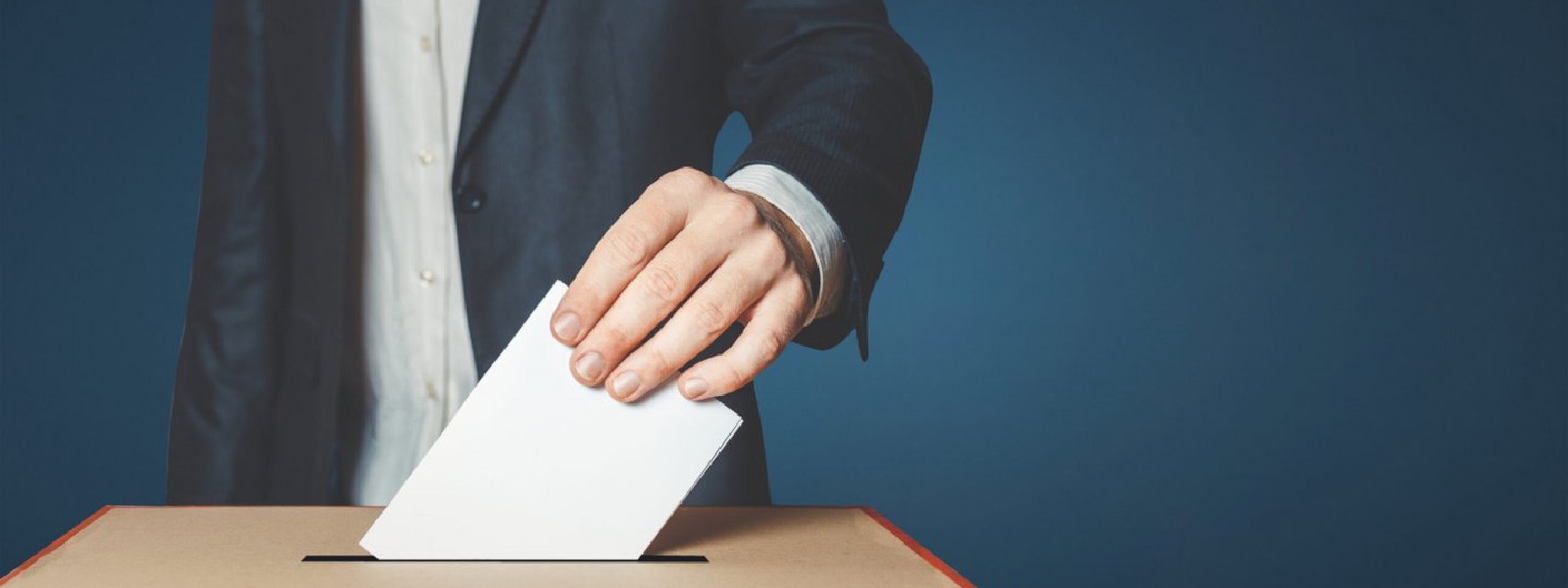
Cold rain pinged the tin roof; gasoline smelled faintly in the street. A padlocked ballot box sat under a flickering streetlamp, a single coffee ring on a discarded notebook.
The scene could be anywhere. It stuck with me—small details first—then the bigger questions. If voting becomes theater and institutions hollow, what practical life remains? That’s what follows.
The warning signs
Around the world, the signal is growing louder: civic space is narrowing. Freedom House’s annual assessment shows global freedom slipping for a long run now, with more countries seeing declines in political rights and civil liberties than improvements. (freedomhouse.org)
Trust erodes fastest where people feel the rules don’t apply equally. Pew Research polling tracked public confidence in government near historic lows in recent years; only a minority of Americans said they trusted the federal government to do what’s right most of the time. That kind of cynicism isn’t trivial—when citizens stop believing voting matters, the civic glue frays. (pewresearch.org)
A world propped up by force
When ballots stop being meaningful, other levers take over: police powers, security services, and, in many cases, the military. Reporting from major outlets has detailed how autocratic playbooks increasingly mix electoral façade with coercion—manipulated votes on election day, followed by force against opponents in the street. The machinery of control is technical and mundane: surveillance laws, media blackouts, arrests on vague charges—and sometimes tanks. (reuters.com)
People feel the shift in ordinary ways. Maria Alvarez, 38, a schoolteacher, told me, “You start thinking, ‘Why even bother?’ — I mean, you show up, you mark the paper, but… they’ve already picked the winner. Then the fear comes later, right? The taps on the window at night. I don’t sleep like I used to.” Her voice caught. She left a half-drunk cup of coffee on the table; the coffee ring matched the one on my notebook. That detail felt stupidly human in an otherwise clinical description of repression.
What everyday life looks like under rule by fear
Markets limp but don’t die. Public services keep working when they must. People adapt. Informal economies expand; corruption can become survival. Cultural life mutates too: radio shows go off-air, newspapers thin, and comedians tell jokes with three different meanings. The press is often the first to suffer; independent outlets shrink or disappear, making it harder for citizens to learn what’s actually happening. Freedom House documented dozens of episodes where media freedoms were curtailed and journalists targeted. (freedomhouse.org)
The social consequences are stark. Civil society organizations either go underground or get co-opted. Families negotiate loyalties quietly. A retired mechanic I met, Tom Reynolds, 67, shrugged and said, “You keep your head down. You keep fixing what breaks. You don’t ask questions out loud—didn’t my dad tell me that? But, gosh, it’s not what I pictured when I got old.” His hands still smelled of oil; a worn golf glove lay on a nearby bench (a small detail that made the conversation feel real, not abstract).
Paths of resistance—and their limits
Even under severe repression, people push back in assorted ways: clandestine networks, exile journalism, encrypted messaging, workplace slowdowns, artistic protest. Some movements win concessions; others are crushed. There’s no tidy law here. Reuters reporting shows that while some regimes have become more repressive, elections and public pressure still sometimes matter, creating an uneven picture of risk and opportunity. Sources remain conflicted about how durable these pressures are. (reuters.com)
A paradox: when formal democracy shrivels, informal forms of democracy can bud. Neighborhood committees, mutual aid groups, and religious institutions often become de facto sites of governance. That doesn’t replace legal rights. It does, sometimes, keep people fed and informed. The practical work of dignity goes on—quiet and unglamorous.
Long-term implications
Loss of democratic checks concentrates power. Power without accountability has predictable effects: shrinking rule of law, rising inequality, and policy choices that favor those closest to the reins. Economies may stagnate as innovation and foreign investment respond to instability and legal unpredictability. That said, authoritarian states are not a single script; some deliver stability and services for a while, which complicates the narrative and makes forecasting an inexact science. (A curiosity I couldn’t quite shake: autocrats often borrow tech and managerial tricks from the private sector, which is weirdly modern.) Freedom House’s latest releases catalog many instances where such patterns played out during recent elections and crackdowns. (freedomhouse.org)
Personal note—and a small, odd digression
Years ago, covering a protest, I noticed an elderly woman hand out boiled eggs to thirsty demonstrators at dawn. Simple things matter. Food, shelter, a safe phone charger—practicalities outlast manifestos. I always think of her when talk drifts to big ideas. Also: pigeons seem indifferent to curfews. Don’t ask me why that comforts me.
What readers can take away
If democracy fades in practice, what’s left isn’t only darkness. Social ties, professional communities, and the stubborn human habit of talking to one another persist. But these are fragile scaffolds without law and institutions to back them. Practically speaking, the most important buffers are: a resilient, independent press; transparent civic institutions; international networks that can document abuses; and communities that practice mutual aid. That list isn’t exhaustive. It’s realistic.
The future is not preordained. Small choices matter—showing up to local meetings, supporting investigative journalism, checking a fact before amplifying it. Pew’s long-term polling about trust reminds us that confidence can be rebuilt, if slow and deliberate efforts follow. (pewresearch.org)
One last thing: I remember an old Twilight Zone episode where the lights go out and people have to learn how to read by candlelight. That seemed melodramatic at the time. Now it reads more like a parable about adaptability and attention. We should treat the parable as a nudge, not fatalism.
A final, blunt truth: if institutions fail, people will still find ways to live. But the quality of that life—rights, safety, dignity—depends on whether others will stand with them to rebuild civic scaffolding when the moment arrives. That’s where the real work begins.
— Alex Mercer, contributing correspondent (a longtime reporter who still keeps a coffee-stained notebook on his desk)
About the Author