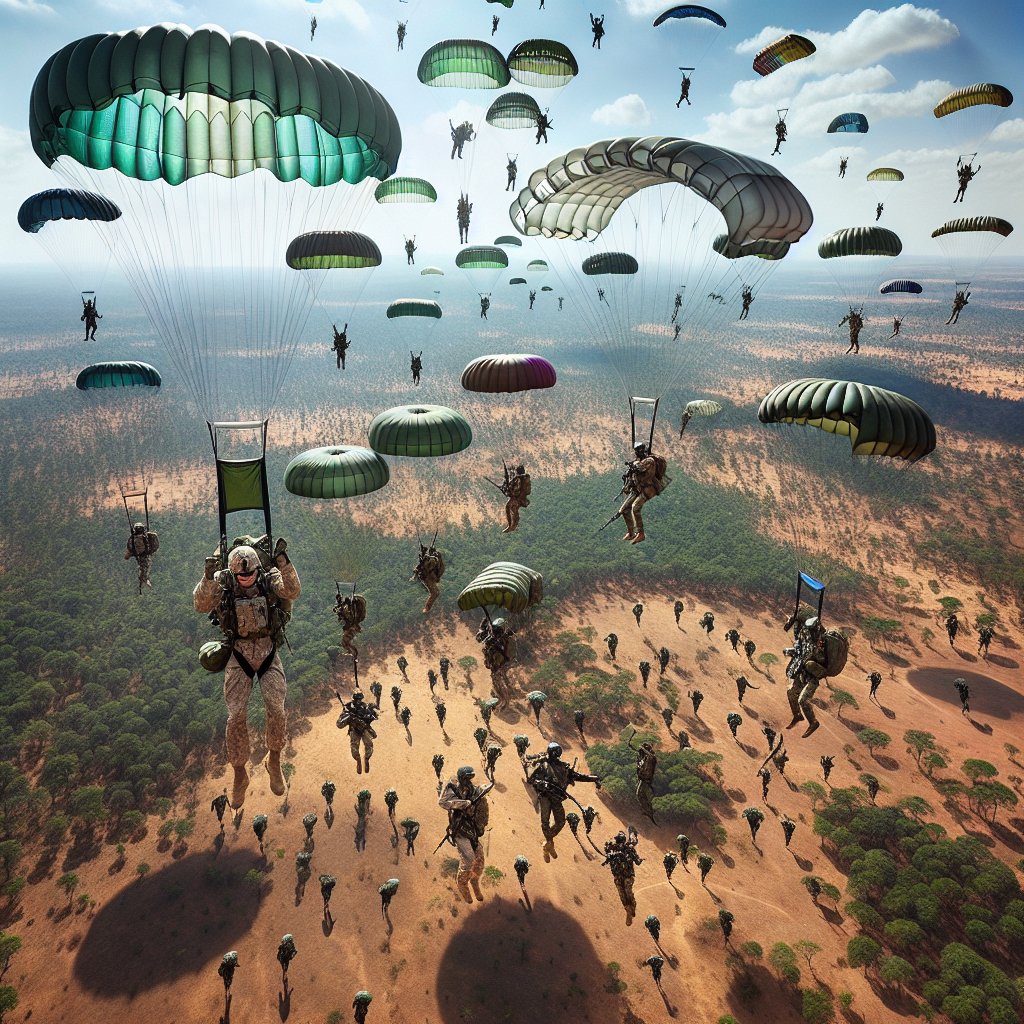
Hey there, let’s settle in and chat about something that caught my eye recently—a story about a military drill that went off-script in Nigeria. Now, I’m no paratrooper, but the idea of jumping out of an airplane with nothing but a chute sounds brave and a bit terrifying. What grabbed my attention was how the troopers in the exercise were made to jump over what seemed to be random areas. Let’s dive in to unpack the intricacies of military parachute training and why things might not go as planned.
The Brave World of Paratroopers
First off, a bit about paratroopers—these folks are elite soldiers who specialize in parachuting into action. It’s a skill honed through rigorous training and precision, often used by the military to deploy forces quickly and surprise the enemy. Paratroopers have been around since World War II and have played crucial roles in key military operations.
What Went Wrong in Nigeria?
The news about the drill in Nigeria highlights some potential issues in military training exercises. While the specifics of this drill aren’t entirely clear, the crux of the problem seems to be the randomness of the drop zones. In military terms, a “drop zone” is a designated area where soldiers are expected to land quickly and regroup.
However, when these zones are not strategically planned or communicated, it results in chaos. Paratroopers could face hazardous terrain, such as water bodies, forests, or urban areas, which aren’t ideal landing spots. The essence of a successful exercise lies in meticulous planning and clear communication—a sentiment echoed by experts in military logistics.
The Risks of Random Drops
Randomness in jumping locations can put soldiers’ lives at risk. Let’s consider some statistics to understand why this is a big deal. According to the U.S. Army, the risk of injury increases significantly when paratroopers land in uncontrolled environments. This isn’t just about potential injuries from hitting the ground awkwardly. Imagine landing miles away from your intended target—it’s disorienting, potentially dangerous, and could lead to mission failure.
Military Drills Under Scrutiny
Incidents like this put a spotlight on military training exercises worldwide. There’s an emphasis on revisiting safety protocols and ensuring that risks are minimized. Experts stress the importance of technology in modern military training. Innovative tools like GPS tracking and drone surveillance can help in managing and monitoring exercises effectively.
The Role of Weather
Weather is another key player that can turn a well-planned exercise upside-down. In Nigeria, like many places, weather patterns can shift rapidly. Wind speed and direction are critical factors impacting when and where a parachute might land. A gusty day could carry troopers far from their designated zones. Military operations need to account for these variables by having backup plans and equipment ready.
Learning from Mistakes
Every mishap is a lesson in disguise. Militaries worldwide constantly evolve their training practices by studying past mistakes. For instance, after significant events, comprehensive debriefings analyze what went wrong and what can be improved. It’s a relentless pursuit of excellence, ensuring troops are prepared for anything that comes their way.
Looking Forward
In sum, while the event in Nigeria is concerning, it’s also a call to action. It highlights the need for meticulous planning and the adoption of cutting-edge technology to ensure the safety and effectiveness of military personnel. As military exercises become more complex, the strategies and tools used must evolve to match the challenges presented by real-world operations.
By understanding and scrutinizing these exercises, we can better appreciate the sacrifices and challenges faced by those in uniform. It’s one of those stories that, while nerve-wracking, reminds us of the courage and dedication of our military personnel.
About the Author