The kitchen smelled faintly of burnt toast, a slow fan whirring, coffee rings on a notebook. Two small voices jabbered in a rapid, unreadable rhythm—an intimate murmuration that shut the room down.
I remember that hush. Sometimes closeness makes its own grammar; other times it erects a private door. What starts as shared babble between toddlers can, in a handful of cases, harden into something stranger: a system of words and gestures only the pair can parse.
What cryptophasia is — and isn’t
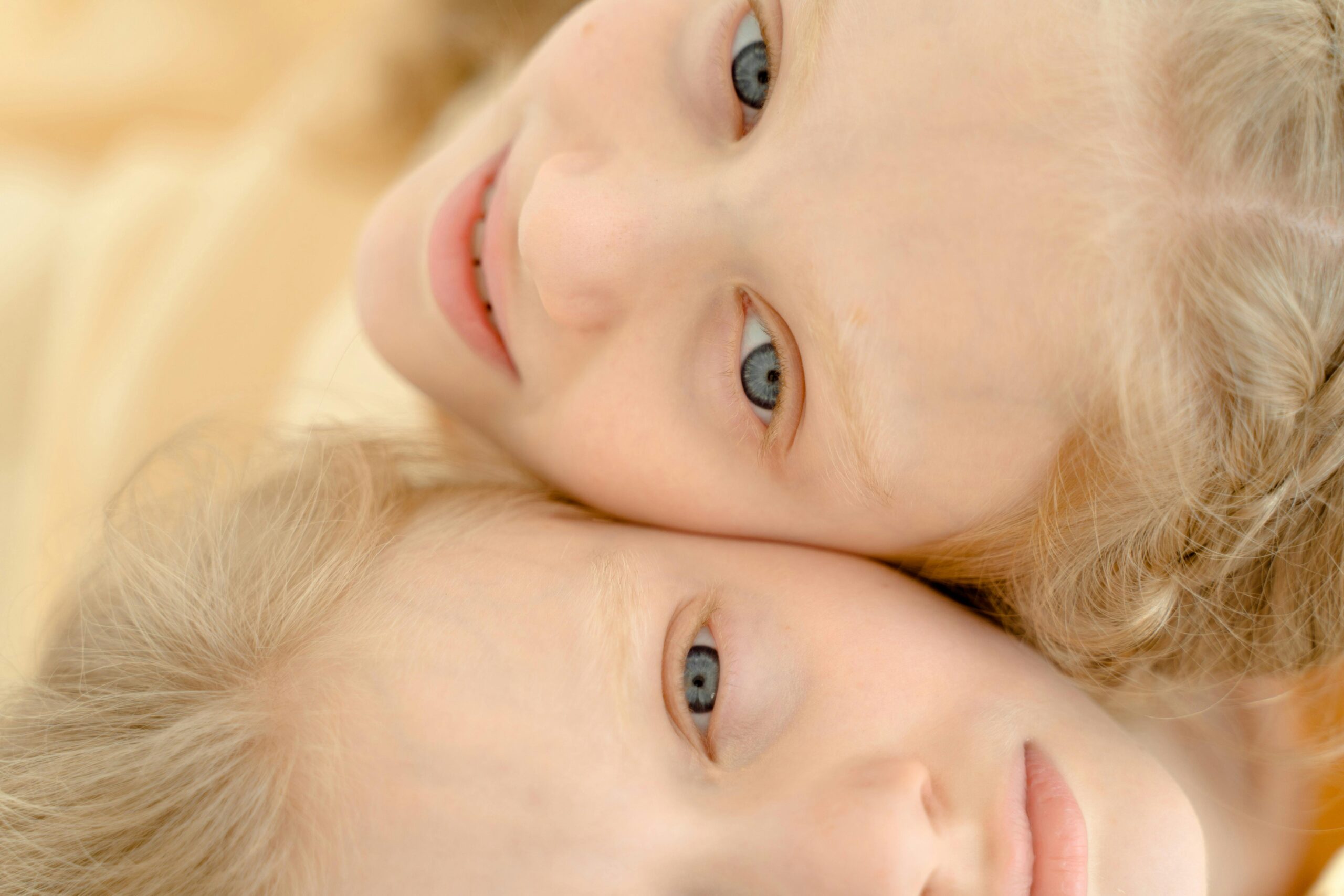
Cryptophasia is the label linguists use for the curious phenomenon where twins develop a form of speech understood mainly by each other. The word itself fuses Greek roots meaning “secret speech,” and scholars often link it to idioglossia—the creation of a private language used by very few people. Researchers have long debated whether these twin-systems are full-fledged languages or heavily idiosyncratic shortcuts built from the sounds of the parents’ tongue. The reality is likely more complicated: elements look homegrown, yet most of the material is rooted in the language twins hear around them. (bbc.com, pubmed.ncbi.nlm.nih.gov)
How and why it happens
Two factors show up repeatedly in the research. First, intense closeness: twins spend long stretches practicing sounds with each other, often before they’ve mastered the full sound set of adult speech. Second, reduced one-on-one adult input—busy parents, fewer individualized language models—can mean kids lean on each other to scaffold early words. When that happens, repeated protowords (sound-forms that carry meaning for the children) can stick and circulate between them. Speech therapists call these “protowords,” and they’re not evidence of mystical invention so much as pragmatic improvisation. (webmd.com, pubmed.ncbi.nlm.nih.gov)
A rough estimate: how common is twin-speak?
Estimates vary, but an often-cited figure places twin private speech in the tens of percent of twin toddlers—large enough that it’s not a freak show but small enough for most adults to miss entirely. Many of these patterns fade as kids get older and encounter wider social and linguistic worlds. Still, a few cases have lingered longer or become notorious because they intersected with isolation or other developmental issues. (pubmed.ncbi.nlm.nih.gov, bbc.com)
Small voices, big headlines: examples that stuck
Some twin stories read like short novels. June and Jennifer Gibbons, known in literary and psychiatric circles as the “silent twins,” developed a private speech that friends and family could not understand; their lives later became tragic and complex in ways that went far beyond language. Two American sisters known by the nicknames Poto and Cabengo used a fast, staccato system that puzzled therapists until patterns emerged. On the lighter end, more recent pairs have kept playful private words into adulthood—rarities, but vivid ones that show how such talk can be part identity and part intimacy. (bbc.com, bbc.co.uk)
Voices from the ground
“Saw it with my twins—honestly, it felt like listening through a wall,” says Shelby Tripp, 34, a mother of toddler twins in Volcano, Hawaii. “They had this clipped, sing-song thing; we’d look at each other and shrug. You gotta giggle, but you also worry a bit.”
“Those little invented words are meaningful to them,” says Dr. Elena Marsh, 52, a speech-language pathologist who works with young children. “You’ll hear the same sound used for the same thing, over and over. That’s not mystical grammar—it’s efficient communication between two kids who spend most of their waking hours together.” (Her office smelled faintly of Play-Doh during our call; a worn golf glove lay on a shelf.) These observations echo broader clinical descriptions of cryptophasia as patterned, not random. (webmd.com, pubmed.ncbi.nlm.nih.gov)
Risks, myths and uncertainties
There’s a tension here. On one hand, private twin-speech is often harmless and ephemeral—a charming oddity. On the other, when twin language reflects social withdrawal, severe speech impediment, or lack of exposure to adult models, it can coincide with language delays or social difficulties. Some famous cases suggest a darker trajectory, though sources remain conflicted about cause and effect: did isolation cause the twin-speech to persist, or did the speech and mannerisms help produce the isolation? The literature doesn’t offer a neat answer. (pubmed.ncbi.nlm.nih.gov, bbc.com)
What parents and teachers can actually do
Simple, practical steps help. Spend one-on-one time with each child and narrate the world around them. Read aloud, even when they’re small. Encourage play with other kids. Speech therapy is rarely needed if development proceeds; when professionals do get involved, it’s more to ensure twins access the broader sound world than to “break” a special bond. These are small interventions with big returns—no quick fixes, but steady daily exposure. (webmd.com, pubmed.ncbi.nlm.nih.gov)
Why this matters beyond family folklore
Cryptophasia is a neat window into how language forms, socially and neurologically. Studying it teaches us about imitation, the importance of adult models in learning, and how human communication adapts to social niches. It also nudges at broader cultural questions: what do we value in speech and difference? An old-school TV reference—think of early, oddball episodes of The Twilight Zone—comes to mind; we’re peeking at human quirks that force us to ask whether oddity is pathology or simply variation. (A curiosity I couldn’t quite shake while reporting: the way twins sometimes invent words for modern objects—“lightning cable,” “iPad”—to plug new things into their private lexicon.)
A small, abrupt note
Some children forget their private words entirely. Others keep just a handful of nicknames that signal membership in a tiny, lifelong club.
Final thought — what readers should take away
If you know twins who whisper between themselves, don’t leap to alarm. Privateness can be a healthy expression of closeness, and most twin-speech fades as children meet broader social worlds. But pay attention to whether the pattern comes with social withdrawal or delayed interaction; that’s when a pediatrician or speech-language pathologist can help steer development without spoiling a sibling bond. In short: cherish the strange, watch for what’s missing, and speak—yes, out loud—to each child, one at a time.
Sources that grounded this piece include peer-reviewed work on autonomous twin languages, accessible clinical perspectives on child speech development, and feature reporting that traces well-known cases in the public record. For more reading, the PubMed literature on autonomous twin languages is a solid technical starting point, and readable pieces in outlets such as the BBC and WebMD capture both human stories and practical advice. (pubmed.ncbi.nlm.nih.gov, bbc.com, webmd.com)
A brief personal aside
I once tried to teach my own niece a nonsense word—she used it for a week, then dropped it. The tiny rituals of language-making stick for the warmest reasons: to belong, to be seen. That’s what cryptophasia, at its best, often seems to be about.
About the Author