You know, the world of professional sports is often as intriguing outside the ring as it is inside it. Recently, a moment featuring UFC lightweight champion Ilia Topuria caught my attention — and not for his prowess in the octagon. Instead, it was a tale of personal honor and respect. And it got me thinking about the broader implications of words and behavior in the digital age.
A Tense Encounter
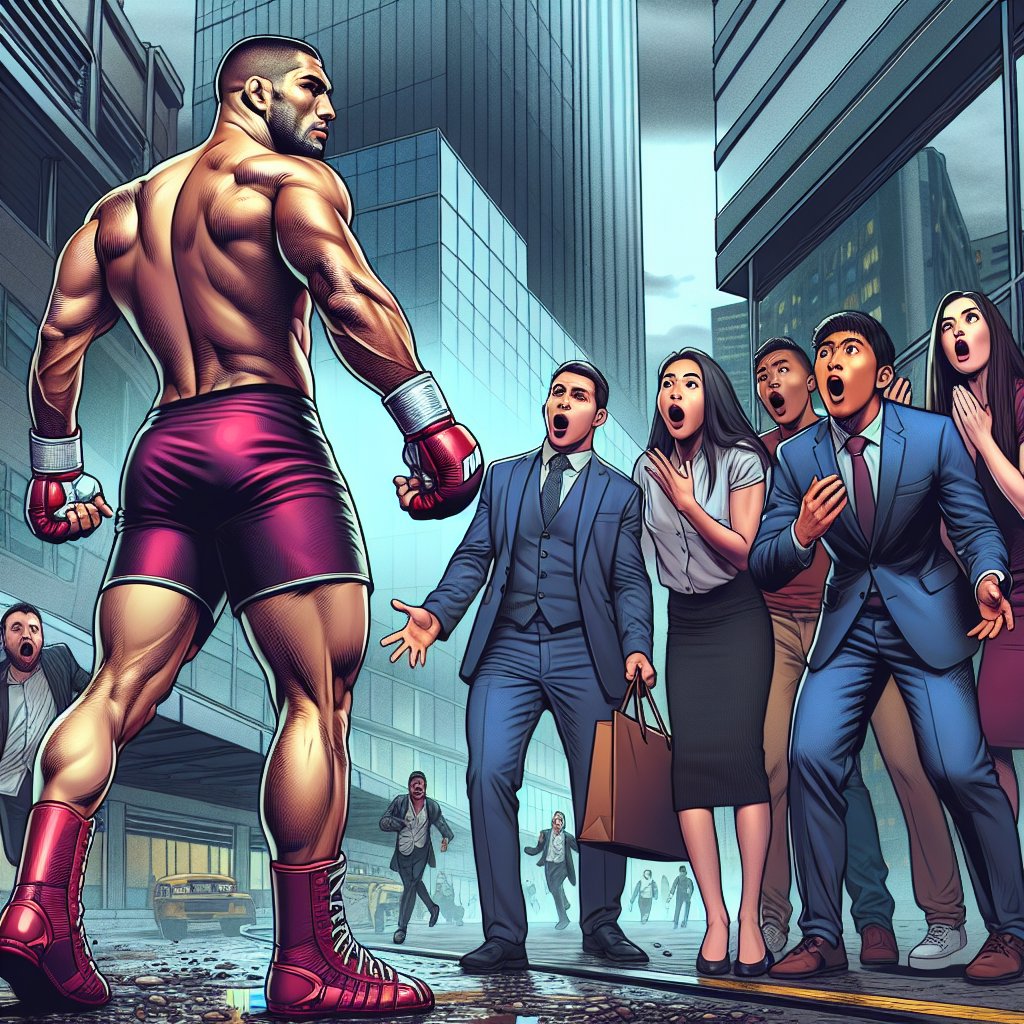
Imagine this: a group of influencers, known for their online presence rather than their tact, make a thoughtless comment about someone’s wife. The someone in question? Ilia Topuria, a fighter with a reputation not just for his physical skills but also for his composure. What would you do if you were in his shoes? It sounds a bit like a plot twist in a reality show, but this was real life — and reactions were unpolished, raw, and quite instructional.
Words as Weapons
In today’s hyper-connected world, what you say or post can have profound consequences. A study published by the Pew Research Center highlights a growing concern over online harassment. With over 41% of Americans experiencing some form of it, the impact is significant, affecting mental health and social dynamics.
This particular incident with Topuria shines a spotlight not just on the physical prowess of athletes but on their personal battles. It begs the question: how do we navigate respect in a digital landscape where boundaries are often blurred?
The Psychology of Respect
Understanding why disrespect happens involves a dip into psychology. Social identity theory suggests that people define themselves through group membership, which can sometimes lead to conflicting interactions with outsiders. In the ring and out, athletes like Topuria constantly represent their teams, families, and fans. When that circle feels threatened, it’s almost instinctual to defend it.
A survey in 2019 by YouGov reported that 34% of people have experienced online shaming. Stories like Topuria’s teach us that the fight against disrespect isn’t just an individual’s battle—it’s communal. Coaches, fans, and organizations all play roles in nurturing an environment where respect is the norm rather than the exception.
Standing Up and Walking Away
Ilia’s response — to question the offenders briefly and then walk away — embodies a particular stoicism. It’s a throwback to calmer, more composed heroes we read about in classical literature. This restraint is also reflected in sports psychology, where emotional regulation is emphasized for peak performance.
Walking away is often seen as a sign of weakness, but it can be a powerful move. According to Dr. Rasmus Hugdahl, a pioneer in the field of cognitive neuroscience, choosing how to respond to provocation is a testament to one’s self-control and maturity.
The Bigger Picture
Would things have been different if these influencers had paused, considered the weight of their words, and respected the invisible lines they were crossing? Possibly. But what’s undeniable is the influence figures like Topuria wield beyond their sport. Their actions, intentional or not, serve as a blueprint for managing conflict in an era where everyone has a platform, and voices echo louder than ever before.
So, next time we witness moments like these, whether in sports, online, or in our lives, let’s consider the power of words and the value of controlled responses. Respect isn’t just about what we say when everyone is watching, but also what we do when we think they’re not.
**
About the Author