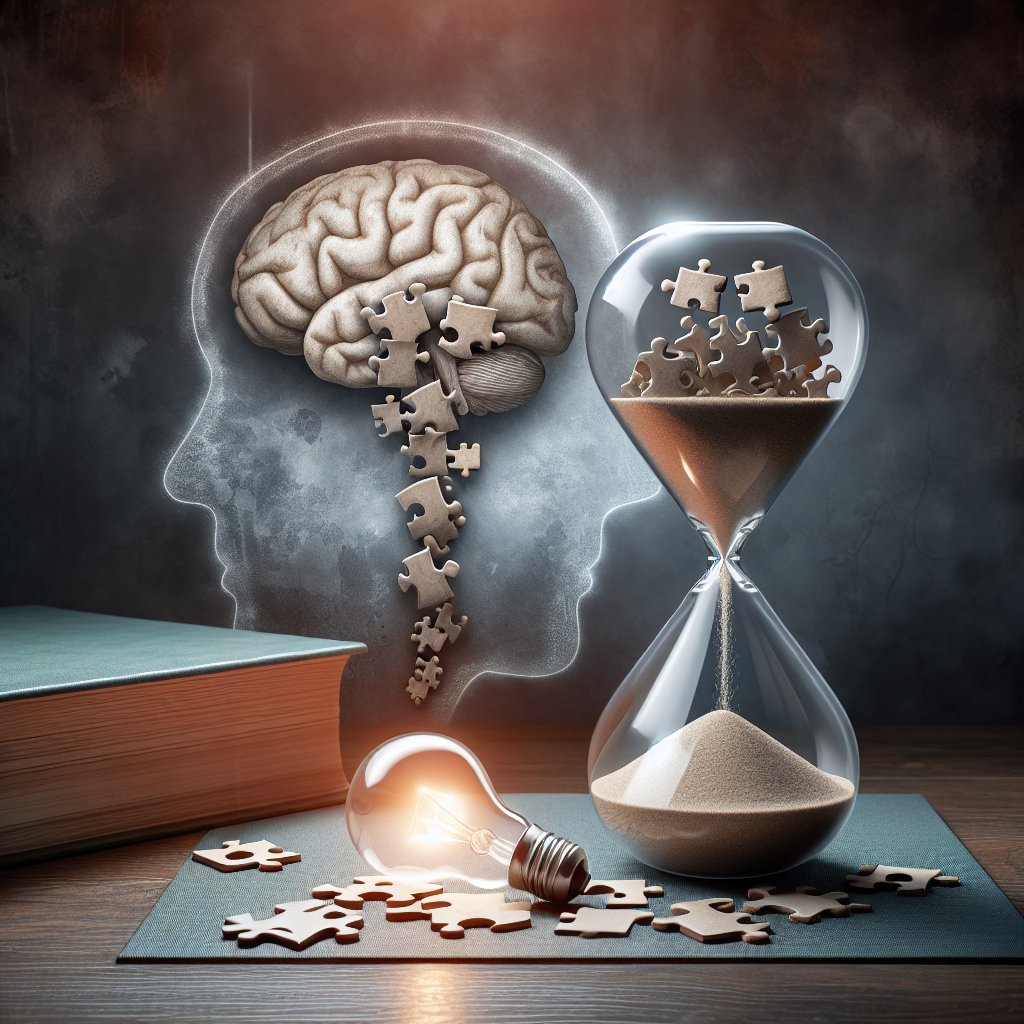
Sitting in a coffee shop on a rainy afternoon, imagining yourself waking up one day with an empty mind and a body that struggles to cooperate might seem like the plot of a suspenseful movie. Yet, for some, it’s a real and terrifying experience.
The Frightening Reality of Sudden Cognitive Decline
We’re diving into a heart-wrenching situation faced by a 31-year-old woman who suddenly found herself losing memories, experiencing severe weakness, and grappling with a faster heartbeat upon standing. Despite going through several medical evaluations, including a CT scan of her brain, she was told everything was “fine.” But it didn’t feel fine to her.
Understanding Acute Cognitive Disruption
Acute cognitive disruption is a medical term for a sudden and severe decline in cognitive abilities. People experiencing this usually report symptoms like sudden memory loss, difficulty concentrating, and feeling mentally “blank.” While often it can resolve on its own, sometimes it’s a sign of underlying issues that need attention.
Potential Causes
-
Stress and Anxiety: Chronic stress can wreak havoc on your brain. When your brain is under stress, it releases cortisol. Over time, high cortisol levels can lead to significant memory lapses and cognitive decline.
-
Sleep Disorders: Insomnia and other sleep disorders are notorious for impacting cognition. An exhausted brain cannot process information efficiently, leading to symptoms identical to cognitive decline.
-
Nutritional Deficiencies: Deficiencies in vitamins like B12, which is crucial for brain health, can cause confusion and memory problems.
-
Neurological Conditions: Conditions such as Multiple Sclerosis or early-onset forms of Alzheimer’s, though rare in younger individuals, can start with similar symptoms.
-
Mental Health Disorders: Severe depression or anxiety can manifest physically, causing bodily weakness and cognitive issues.
What To Do If You Experience These Symptoms
So, if you or someone you know is experiencing these symptoms, here’s what you can do:
-
Seek Immediate Medical Attention: First and foremost, make sure there’s no immediate danger. Hospitals can rule out emergencies like strokes or acute neurological events.
-
Keep a Symptom Diary: Tracking when symptoms occur, their severity, and associated events can help healthcare providers pinpoint a cause.
-
Consult Specialists: While ER doctors can handle acute evaluations, a neurologist or psychiatrist might provide a more detailed assessment.
-
Consider Lifestyle Factors: Evaluate stress levels, sleeping patterns, and diet. Sometimes, a few changes in these areas can improve or resolve symptoms.
-
Don’t Dismiss Mental Health Providers: If physical tests come back normal, a psychologist or psychiatrist can help explore other explanations.
Anxiety’s Invisible Hand
This young woman’s desperation expressed the crushing weight of anxiety. Anxiety isn’t always visible. It sneaks in, often surprisingly, escalating until it physically incapacitates us. It’s essential to recognize that mental health is as vital as physical health.
The Role of Technology and Research
Modern technology has transformed the way we diagnose and treat cognitive impairments. For instance, enhanced MRI techniques are being researched to provide better diagnostics for brain activity. Additionally, smart apps now help individuals track mental health symptoms, offering personalized feedback and the potential for tele-health consultations that connect you with a healthcare provider from anywhere.
Hope Through Innovation
Globally, the conversation around mental health is gaining momentum. Now, more than ever, resources and support systems are designed to assist with mental and cognitive health efficiently and compassionately. Whether it’s community support groups or cutting-edge neuroscience research, the tools to fight back are growing every day.
A Friendly Reminder
If you ever find yourself or someone you love in a similar situation, remember that professional help is key. Don’t hesitate to reach out to healthcare providers. As we better understand the balance between mental and physical health, we can tackle these seemingly invisible barriers together, one step at a time.
About the Author