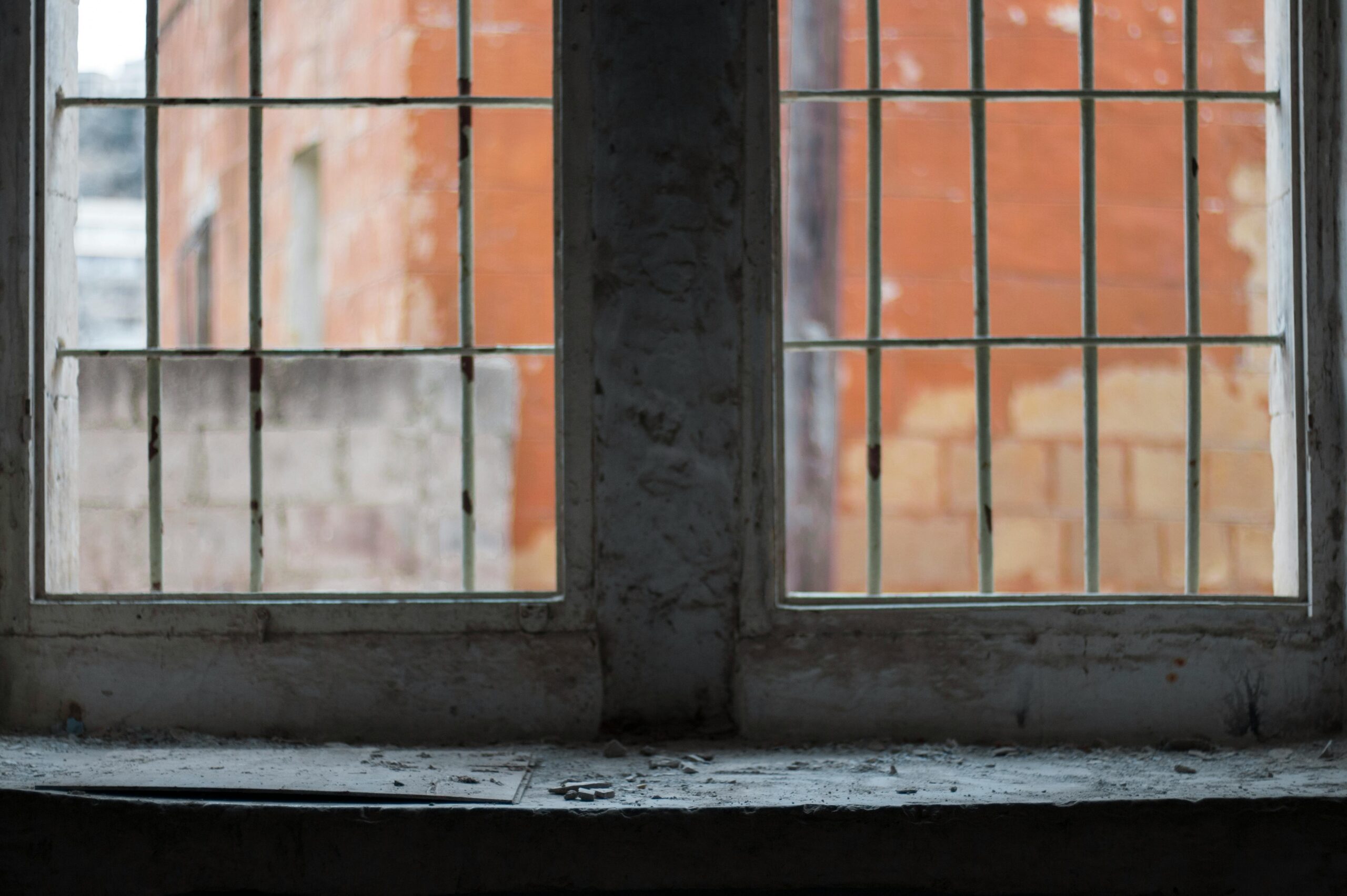
The room smelled faintly of burnt coffee; a paper cup left on the windowsill gathered a crescent of dust. A phone buzzed twice and went silent.
You catch the buzz, react. That’s the thing about rapid collapse—there’s always a tiny signal before the plunge. Little choices, a single misstep, a viral screenshot, a night of too much, can compress what used to take a decade into a day.
A thousand small decisions
People have been trading cautionary tales online for years. A recurring thread on Reddit gathered dozens of short, sharp stories where one act—showing up hammered to an NFL tryout, selling pills that later killed someone, tattooing most of your face—flipped lives from stable to catastrophic almost overnight. The anecdotes run from the grim (fatal overdoses and sudden violent crimes) to the tragicomic (new factory hire taking a lunchtime shot and getting canned within hours). The scope is wide, but the thread’s lesson is narrow: a single impulsive act can be a life’s fault line. (ruinmyweek.com)
Fast routes to ruin
There are patterns behind the shock value. Public figures who misused social media have fallen quickly and publicly—think high-profile political resignations after an online scandal that made routine misbehavior unbearable to sustain in office. The fallout can be merciless; the moment the message circulates, the institutional supports that once buffered a career can evaporate. One notable congressional resignation in the early 2010s remains a template for how rapidly reputation can collapse under the glare of social media. (washingtontimes.com)
Then there are the less public but no less devastating routes: addiction and the modern drug supply. Over the past decade, potent synthetic opioids and stimulants have turned what might once have been a long decline into a sudden catastrophe for many families. National health data show sharp increases in overdose deaths that compressed years of morbidity into months for some users. The math is stark: spikes in synthetic-opioid fatalities and psychostimulant deaths reshaped whole communities. (cdc.gov)
Signals online and offline
Social media plays a dual role. It amplifies the moment—phones make private acts public in an instant—and it shapes how communities judge that moment. Public sentiment is ambivalent: many Americans trust social platforms less for reliable news and are increasingly wary of their effects, which changes how quickly a scandal becomes a terminal event for a job or a relationship. The platforms don’t create all of this; they accelerate it, and in ways that are still poorly understood. (pewresearch.org)
“People forget how fast the world moves now,” says Marcus Reed, 41, a former HR manager in manufacturing. “I’ve had to fire someone because of a video—ten minutes on the internet and a private mistake cost them their rent and their reputation. It feels… brutal, honestly.” Marcus pauses, thumbs the rim of his coffee cup—the one with the faint coffee ring. “You can’t always predict it. One dumb moment, and it’s gone.”
Context and consequences
Speed matters because consequences compound. A public scandal can cost a job, which can trigger eviction, which can erode mental health—each consequence makes the next one more likely. For others, a single violent act, a drunk-driving tragedy, or a felony conviction rewrites opportunity in ways that are nearly impossible to repair.
There’s also a legal and moral dimension. Selling fentanyl-laced pills, for instance, is not merely a lapse; it’s a criminal act with life-or-death consequences. The public health record for the past decade shows surges in synthetic-opioid deaths and a broader overdose crisis, which turns small-scale drug dealing or casual use into a potential death sentence for someone else—and a lifetime for the seller. (cdc.gov)
Samantha Ortiz, 29, a recovery counselor who runs a small clinic, offers a human counterpoint. “I see people ruin themselves in days sometimes,” she says. “Not from one choice alone—there’s trauma, there’s scarcity—but a trigger can make everything collapse. One client lost custody of his kid after a single relapse that led to an arrest. He told me, ‘I didn’t think one night could change so much.’ He was wrong.” She tucks a loose strand of hair behind her ear, eyes tired but steady. “The sad part is, often they’d’ve done better with a little time and support.”
Complicated lines, mixed signals
Not all collapses are as quick or as simple as they look online. Some people rebound; others rebuild slowly. Sources remain conflicted about how often “instant ruin” is permanent versus a dramatic moment that becomes a pivot toward recovery. The reality is likely more complicated: a viral post can end a career, and yet some individuals manage to retool or relocate away from the spotlight.
One odd detail from the Reddit tales caught my eye—a man who tattooed three-quarters of his face green and, shortly after, lost his IT job and began living in his car. It’s possible there were underlying issues—mental health, substance use, personal crisis—that made that act both dramatic and self-sabotaging. The image sticks: a solid swath of forest green across a face, like something out of an old comic book. Little things linger in memory. (ruinmyweek.com)
What this teaches us
If there’s a practical takeaway, it’s twofold. First: small decisions can have outsized consequences in an era of instant publication and intensified risk. Second: public systems—employment protections, mental-health access, addiction treatment—still shape whether someone who stumbles can get back up. The statistics suggest we’re not only confronting more sudden crises, but that our social safety nets are uneven, which changes the odds of recovery after a fall. (cdc.gov, pewresearch.org)
A brief aside: when I started in this business we still faxed court filings and tuned in to the evening news; now a hashtag starts a movement. Things change. Some of it is progress. Some of it is, frankly, chaos.
A closing note
Stories about people who “ruined their life in a minute” make for pithy headlines and moralizing threads, and they can teach us caution. But they can also hide complexity: addiction, mental illness, economic pressure, and bad luck mingle with the impulse to act. For readers, the useful thing is not to gawk but to ask what might prevent the next collapse—better access to treatment, clearer workplace policies, or simply a culture that gives people a moment before the world pronounces judgment.
I once saw a man lose his job over a drunken, foolish video and then spend seven years rebuilding a quieter, steadier life. He kept a worn golf glove on his kitchen peg as a talisman; that’s now what I think about when someone asks me who ruined their life fastest. The answer is rarely as fast as it looks, and sometimes the recovery—if it comes—takes longer than the fall.
Quotes
– “It felt like someone hit a switch,” Marcus Reed, 41, former HR manager, said. “One clip, and his whole world was… gone.”
– “People tell me ‘I’ll just do this one thing’—and one thing becomes everything,” Samantha Ortiz, 29, recovery counselor, said. “You gotta be careful. Seriously.”
What you can do
Look for early signs in people you care about. Know local resources for addiction and mental health. Question viral certainties. And maybe—call a friend before you post.
(Note: the Reddit thread that inspired many of these anecdotes gathered dozens of first-person stories about rapid life changes; it’s a useful, if messy, catalog of modern missteps.) (ruinmyweek.com)
About the Author