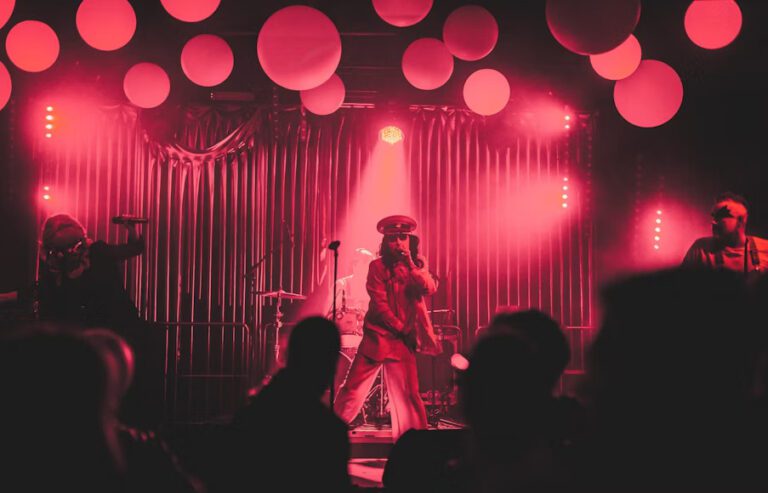
So, picture this: a blustery autumn day in Canada, the leaves just past peak color, and an American singer-songwriter, known for his controversial performances, finds his permits revoked in multiple Canadian cities. It’s a complex story blending politics, public sentiment, and a musician’s right to voice his views. Grab a coffee, and let’s unpack this tale together.
Who is Sean Feucht?
First off, who is this singer making waves north of the border? Sean Feucht is a musician and activist known for his affiliation with the “Make America Great Again” (MAGA) movement, prominently linked to former U.S. President Donald Trump. Feucht’s concerts often double as political rallies, amassing supporters who share his conservative and religious views. However, these performances have sparked significant controversy, especially when his tour bus crosses into non-U.S. territories.
The Controversy: Why the Permits Were Revoked
In cities like Vancouver and Ottawa, the decision to revoke Feucht’s performance permits wasn’t just bureaucratic red tape. City councils and local residents voiced concerns regarding the potential for his events to stir unrest. Now, you might wonder: why all the fuss over a concert? Well, think of how music and politics have intertwined throughout history. Remember how Bob Dylan’s protest songs were the anthems of the 60s? Similarly, Feucht’s concerts are a medium for political messaging.
Understanding Public Sentiment
The revocation of permits reflects a broader sentiment prevalent in many Canadian communities: a wariness toward political rhetoric perceived as divisive. Canada, with its own complex landscape of multiculturalism, often leans toward inclusivity and unity. Philip Resnick, a political science expert at the University of British Columbia, notes, “Canada’s cultural mosaic prides itself on featuring harmony over discord—a principle not always reflected in Feucht’s rallies.”
Differences in Political Climate
When you take a closer look, the political climate differences between the U.S. and Canada become evident. While the MAGA movement found a substantial following in the U.S., Canada’s political ethos is distinctly different. The country’s history of social welfare, publicly funded healthcare, and multicultural policies mark a contrast that sometimes accentuates the perception of Feucht’s message as antagonistic.
Historical Context: A Tale as Old as Time
This isn’t the first time the arts have collided with political sentiment. Going back centuries, artists often faced restrictions. Take, for instance, the McCarthy era in the U.S. during the 1950s, when artists suspected of communist affiliations were blacklisted. While Feucht isn’t being accused of such extremism, the idea of curbing performances due to potential public discord is a tune that echoes through history.
Implications for Artists and Performers
For musicians and artists worldwide, this situation underscores the challenging balance between freedom of expression and public responsibility. An artist might ask: Should our art reflect our beliefs even if it sparks controversy? The answer might hinge on where one stands on the spectrum of art as a personal versus public entity.
Looking Forward
Where does this leave us? As the world grows ever more connected yet politically polarized, these instances will likely become more common. Artists like Feucht may need to adapt their approach depending on their audience’s cultural and political climates.
In the end, this isn’t just about a singer and his revoked permits. It’s a microcosm of how we negotiate difference in increasingly immediate, global contexts. And maybe, just maybe, it’s a reminder of the importance of dialogue in smoothing those rough edges.
So, what do you think? Is it right to revoke a permit over potential unrest, or does it stifle artistic expression? It’s a question without a clear answer, but one worth pondering over a cup of coffee.
**
About the Author