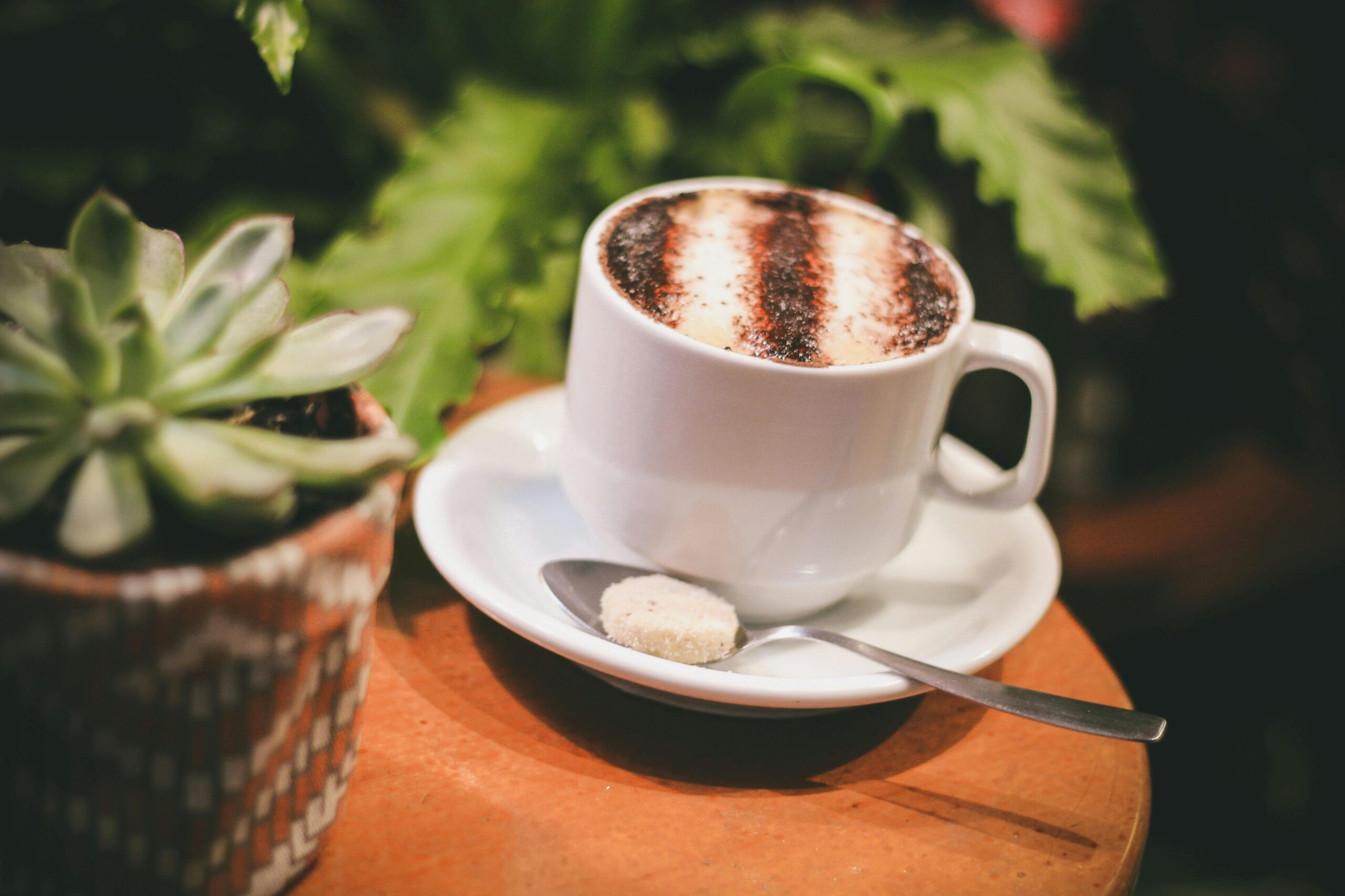
Steam fogged the kitchen window; a spoon tapped the mug’s rim, leaving a thin dark streak across white glaze and the faint scent of lemon from yesterday’s dish soap.
That little mark feels like a mystery — proof, some will say, that ceramics are somehow failing us. But the truth is quieter and a bit more technical: hardness and toughness are different things, and everyday mugs live at the intersection of both chemistry and craft.
Hardness and toughness — two different measures
Hardness measures how resistant a surface is to being indented or scratched. Toughness measures how much energy a material can absorb before it cracks. Think of hardness as armor, toughness as flexibility. A ceramic can be very hard (resisting scratches), yet brittle, which means it snaps instead of bending when stressed. Metals, by contrast, often give and deform, dissipating energy and blunting cracks.
Why ceramics are brittle
At the atomic level, most ceramics are held together by ionic or covalent bonds. Those bonds are strong — which helps explain the high hardness — but they do not allow atoms to slide past each other easily. Metals have metallic bonds that let layers of atoms move (dislocations), so they can deform plastically. When a tiny crack starts in a ceramic, there’s nothing to blunt that crack; it runs. Fast. That’s why dropped porcelain cups shatter into sharp shards while a metal thermos dents and keeps sipping.
The mystery of the dark streak
That streak in your mug is often not a gouge in the ceramic at all. Metal transfer — little smears of spoon material — is a surprisingly common culprit. Resting a metal spoon on a glazed cup, or vigorous stirring, can leave tiny ribbons of metal rubbed off the spoon and sticking to the glaze. Snopes has tackled similar viral claims about “scratched” mugs and metal marks being the usual explanation for those dark lines. Still, glaze composition matters: some glazes are softer or more porous than others, and can actually pick up marks more readily.
Real people notice it
“I make pottery for a living, and yeah—people freak out when they see marks,” says Maria Lopez, 42, a ceramic artist in Santa Fe. “But usually it’s metal pick-up, or sometimes the glaze had an off day in the kiln. I mean, it’s pottery — not a tank.” Her hands smelled faintly of clay and there were coffee rings on a notebook beside her wheel.
Dr. Alan Preston, 58, a materials scientist who’s worked on aerospace ceramics, adds, “We use ceramics where hardness and temperature resistance are essential — turbine blades, thermal tiles — but you pay for it in toughness. You treat them gentle. That’s the trade-off.” He pauses, then smiles: “Sort of like raising teenagers.”
Why this matters beyond the kitchen
The difference between hardness and toughness isn’t just academic. Engineers leverage ceramic hardness in cutting tools and body armor, then mitigate brittleness with design tricks — composite layers, fiber reinforcement, or transforming-grain technologies that slow crack growth. Recent Reuters features on advanced ceramic armor have shown how industry balances those trade-offs for real-world durability. On the consumer side, choices matter: a tempered ceramic mug or one with a tougher glaze will resist the microchips of everyday life better than a delicate, glossy porcelain cup.
A mild contradiction (and an open question)
Some viral posts insist a shiny spoon can’t mark a ceramic that’s “harder than steel,” which sounds compelling until you factor in surface chemistry and transfer. Sources remain conflicted about which explanation dominates in any given case — true scratching, metal transfer, or glaze wear. It remains unclear in many casual incidents which mechanism is the main villain without close inspection.
How manufacturers and designers respond
Porcelain makers and industrial ceramicists take different approaches. In cheap mass-produced mugs, cost is king: thinner glazes, faster firing cycles, and minimal post-processing can leave a surface that shows wear sooner. Specialty makers alter composition, add toughening phases, or use layered glazes to reduce visible marks. There’s also an environmental angle: tougher, longer-lasting tableware reduces waste, a small but real sustainability win.
Practical takeaways for your next cup
If you want fewer streaks, try a ceramic with a matte or satin glaze, avoid steel utensils with aggressive scraping, and don’t microwave or thermal-shock the mug (hot coffee poured into a cold cup or vice versa invites microcracks). If a dark line appears, test it with a fingernail or a soft cloth; metal transfer will often rub off. For the truly stubborn stains, a paste of baking soda and water usually surprises you.
A small detour: ancient glazes and oddities
As a tiny aside — and because I love odd little facts — medieval potters sometimes sprinkled metal powders into glazes to make iridescent lusters. Pretty, fragile, and high-maintenance. Kind of like that vinyl record you keep but rarely play.
A personal note
I still have a chipped mug from grad school with a faint brown crescent and a history: burned midnight coffee, a worn golf glove tossed on a chair, and an argument about deadlines. It’s chipped, but it’s mine. The chemistry didn’t change that day; my priorities did.
Final thought
So yes, ceramics can be harder than metal on a surface scale. They also fracture more readily because of how their atoms are bonded and how tiny flaws concentrate stress. The dark streak in your mug is probably a smear of metal or a quirk of glaze, not a betrayal by materials science. Life is messier than a neat lab demonstration — and often more interesting.
Quotes:
– Maria Lopez, 42, ceramic artist.
– Dr. Alan Preston, 58, materials scientist.
Sources woven through the piece include Snopes and Reuters, and recent Pew Research findings on social-media skepticism help explain why quick viral explanations stick in people’s minds.
About the Author