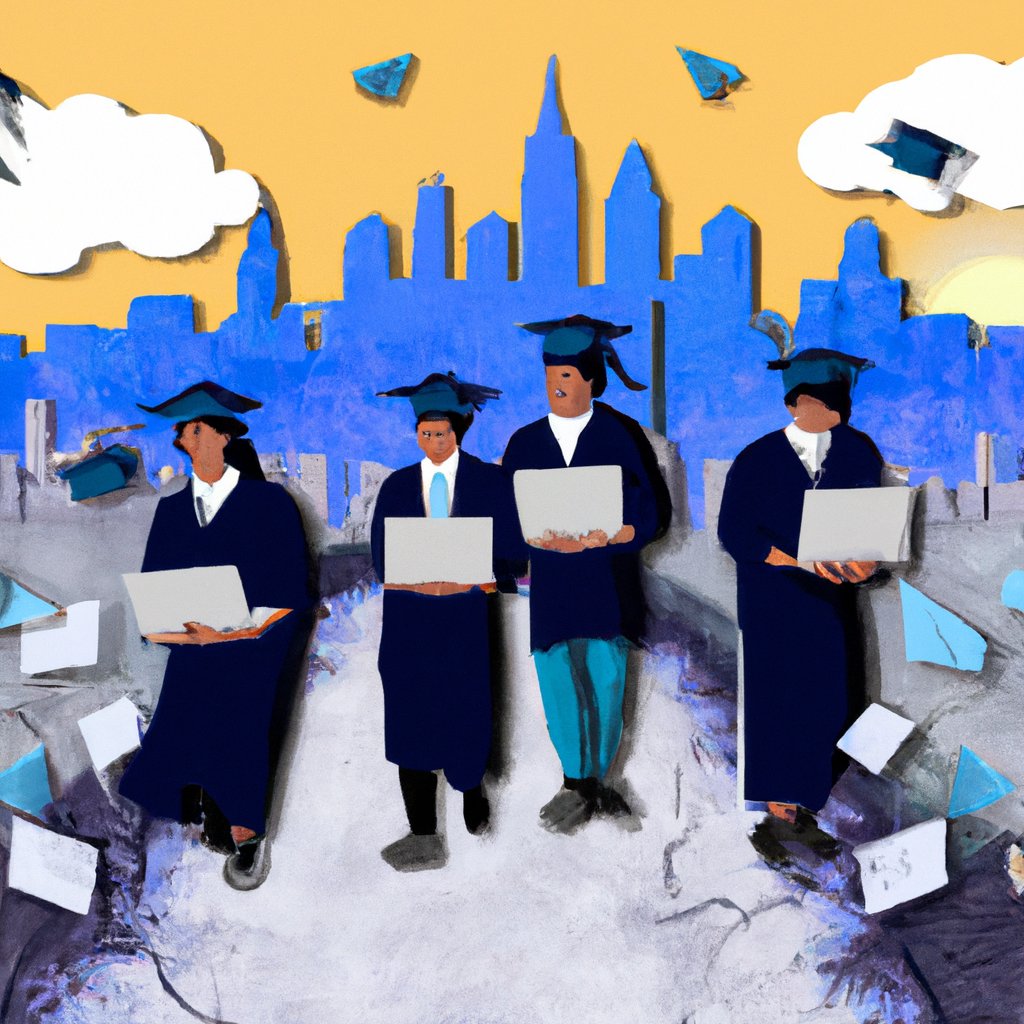
Hey there, friend. Grab a cup of coffee and let’s chat about something that’s been on a lot of young people’s minds lately—finding a job. If you’re part of Gen Z or know someone who is, you might have heard the grumbles about how tough it is out there. And you know what? It’s more than just griping. Let’s dig into why that is.
The New “Normal” Isn’t Working for Everyone
If you’re a fresh grad stepping into the job market, it might feel like the rug’s been pulled out from under you. And here’s a kicker: nearly 60% of new grads say they’re struggling to find work. You might think, “Wasn’t it hard for Millennials too?” Sure, but let’s unravel why it’s gotten trickier.
First, consider the dramatic shifts in the job market. We’re living in a time of technological leaps that change the skills employers are looking for almost overnight. Back in 2016, a study by the World Economic Forum predicted that by 2020, over a third of the desired core skill sets of most occupations would be made up of skills that weren’t even considered crucial five years earlier.
The Post-Pandemic Reality Check
Let’s not forget the elephant in the room—COVID-19. The pandemic didn’t just pause plans; it shifted them off course. A report by McKinsey found that the pandemic fast-tracked digital transformation across companies by almost five years. It’s wild, right? That means more automation and fewer traditional entry-level jobs. Plus, the unforgettable stress of graduating into a world of lockdowns and uncertainty didn’t make things better.
Education vs. Real World Expectations
Another factor to consider is the evolving expectations of employers versus what education systems offer. A lot of grads are finding out that the degree they worked so hard for doesn’t entirely match up with job requirements. According to a Gallup survey, only 34% of students believe their institutions are preparing them for work. It’s like showing up for a soccer game having trained only in baseball—you’ve got skills, just not the right ones for the current game.
Why This Matters (And Why We Should Care)
You might wonder why it’s crucial to talk about this. Well, supporting the new workforce impacts everyone. When young people can’t start their careers, it affects the economy, social systems, and the creative potential that these folks would bring to the table. Unlocking their potential benefits us all in terms of innovation and progress.
What’s Next for Gen Z?
So, what can be done? For starters, there’s a push for soft and technical skills training—think coding boot camps, MOOCs (Massive Open Online Courses), and initiatives like LinkedIn Learning becoming hugely popular. These platforms offer flexibility and cater directly to the skills that industries are screaming for. If you haven’t checked them out yet, they might just be your ticket to standing out in the crowd.
Moreover, relationships matter more than ever. Networking isn’t just about schmoozing at events anymore. With platforms like LinkedIn, you can connect with people and companies worldwide that share your interests and ambitions.
Wrapping It Up With Some Hope
Navigating this turbulent job market isn’t a walk in the park, not by any stretch. But let’s keep it real: resilience, adaptability, and a bit of strategic learning can be game-changers. And remember, the conversation about how we train, support, and employ future generations is ongoing. Your voice matters in this narrative—don’t shy away from it.
So, what do you say? Let’s keep this conversation going and empower each other as we figure out the future together.
About the Author