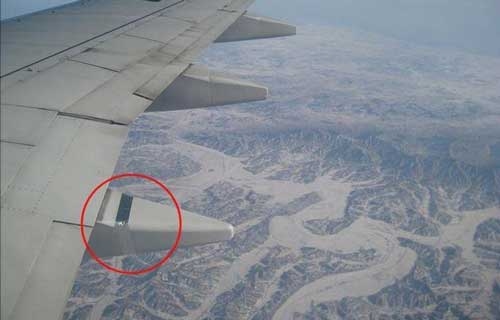
Misty dawn at LAX. A ramp worker climbs a ladder beside a Dreamliner. The faint drone of an idling jet and the smell of kerosene mingle as he applies a strip of silvery tape to a small chipped area on the wing. Coffee stains mar his clipboard. It isn’t a dramatic repair – just routine maintenance.
Once seen only by ground crew, such patches are now popping up on TikTok and Twitter, puzzling flyers. In one recent clip, a Spirit Airlines technician carefully smoothed foil tape along a wing just before takeoff. Viewers gasped and cracked jokes (“duct tape, really?”), some vowing to avoid the airline altogether. Others cracked wise (“I hope MacGyver’s on board!”), but behind the humor is unease: what is that silver stuff doing on a plane, and is it dangerous?
Routine Repairs, Viral Reaction
To many passengers, seeing a flight attendant or mechanic wield tape can feel like a scene from a B-movie. “I won’t lie, I was a bit tense when I watched that video,” admits Aaron Mills, 44, an IT consultant from Detroit. “In my mind I’m thinking ‘tighten your seatbelt, because they’ve got tape holding this jet together.’ But after a minute, it clicked – planes aren’t fixed with duct tape.” For every Aaron, there’s a shocked onlooker who earlier in life heard the old joke: “An airplane is just a bunch of jets duct-taped together.” In reality, skilled engineers use a very different tape.
Experts say the footage is misleading. In fact, fact-checkers worldwide have been quick to point out that this isn’t ill-advised “duct tape” on the wing; it’s a specialized material called “speed tape.” An Australian fact‐checking newsletter noted of a viral photo, “the tape pictured — known as speed tape — is used regularly in the aviation industry,” usually to cover peeling paint or minor cosmetic damage (www.moneycontrol.com). Even Boeing has acknowledged a handful of Dreamliners have had paint-adhesion flaking, and recommends speed tape as a temporary fix. Boeing tells airlines that such paint issues “does not affect the structural integrity of the wing, and does not affect the safety of flight” (www.moneycontrol.com). In other words, the jet’s wings and frame remain strong; the tape is just a band-aid for the paint job. As a Boeing spokesperson put it last year, it’s a stopgap while engineers work on a better coating for the paint (www.washingtonpost.com).
Speed Tape 101
So what is speed tape? It’s essentially an aluminum-based tape with an aggressive adhesive. Pilots and mechanics know it can handle extreme conditions – from subarctic fog to tropical heat. 3M, a leading manufacturer, says its aluminum tape can survive winds and temperatures from roughly –65°F up to 300°F, as well as UV, moisture and chemicals (www.businessinsider.in). In plain speak: it’s nothing like the gray duct tape stuck on a car bumper. “There’s never going to be a piece of garden-variety duct tape used on an airplane,” veteran pilot John Nance (65) wryly told the media. “So if you’re looking at it, it’s called speed tape and it’s very, very specifically designed to do whatever it is they’re trying to make it do” (www.iflscience.com).
In practice, crew members apply speed tape during routine boarding or preflight checks. A ground engineer might find a small spot of flaking paint or a weathered seam. Instead of waiting days for the next overhaul, they cover it with tape so moisture and debris can’t worsen the damage. It’s like covering a nicked bicycle seat with a patch until you can replace it at the bike shop. Speed tape isn’t load-bearing; it’s purely cosmetic and aerodynamic. Retired mechanic Sophie Reyes, 52, compares it to a bandage on a plane. “You wouldn’t know it was there if you didn’t see it on the ground,” she says. “It’s not holding the plane together. It’s keeping the paint in place until the real repair.”
Expert Assurance – The Aircraft is Safe
Airlines and regulators emphasize that using tape this way is fully approved and safe. For instance, a Spirit Airlines engineer told the Associated Press that their crews use only genuine speed tape. “We reached out to our Engineering team, and they confirmed that this is speed tape, and [it] is safe and commonly used throughout the aviation industry,” said Spirit spokesperson Michael Lopardi (www.iflscience.com). He added that its use “is authorized by the aircraft manufacturer” and meets all FAA requirements (www.iflscience.com). In other words, Boeing (and other makers) include these strips in their maintenance manual.
Regulators echo this confidence. Australia’s Civil Aviation Safety Authority noted it’s aware of these patches and stressed they follow approved procedures. In fact, CASA noted that any speed-tape fix is an “approved temporary repair” and “does not pose a safety risk to passengers” (www.businessinsider.com). The FAA’s similar rules require that temporary patches be documented and inspected; crews check each application. Ultimately, a captain or chief mechanic gives the final OK that the jet is good to fly. So while the sight of silver tape can unsettle flyers, the men and women in charge say it’s as ordinary as getting a scratch on your rental car and putting on a clear bumper protector.
That said, no system is perfect. Speed tape occasions rare incidents if misused. Decades ago, one low-cost flight had to return after a strip on a cockpit window came loose mid-flight. The airline promptly clarified that the tape carried no load – it had simply been used to cover sealant so it could cure post-assembly (thepointsguy.com). Cases like that are exceedingly uncommon and heavily scrutinized. The reality is likely more complicated than either panic or blind trust: tape by itself won’t fly a plane, but crews apply it following strict standards. And pilots like John Nance joke that a curious passenger could always “ring the flight attendant and ask the pilot to explain,” underscoring that it’s no secret fix (www.washingtonpost.com). In short, speed tape is mundane in function and (mostly) in fate: scheduled maintenance crews usually remove old tape patching at the next available opportunity.
Passengers and Pilots Weigh In
Travelers’ reactions still range from puzzled to philosophical. Rita Chen, 29, a tech entrepreneur from Seattle, recalls her first unsettling glance at a taped wing a few years ago. “I had to stare at it for a while,” she laughs. “It looked like an alien bandage. But I mean, the pilot didn’t look worried. I asked a flight attendant – she just said ‘Don’t worry, dude, it’s fine.’ Exactly that kind of calm shrugged everything off.”
Others are more inquisitive. Miles O’Connor, 38, a high school science teacher in Boston, says he’s glad to have asked questions. “Even before knowing it was speed tape, I mused, ‘Interesting method.’ Later I found out a bit and, honestly, kind of liked the practical joke aspect. We forget that airplanes aren’t flown by pixies. Someone was balancing aerodynamic formulas and paperwork behind that tape, not just slapping on a quick fix.”
At the gate, mechanics are typically unmoved by the attention video clips bring. They know their tools and trust each other’s work. “I see this stuff maybe a few times a month,” says Jackson Lee, 34, an aircraft technician in Dallas. “If I showed up on my first day and saw it, I’d probably shrug, too. The captain and maintenance officer have checked it a dozen times. It’s normal Bill of Materials. It’s like when I was building an RC airplane as a kid – you put tape on spots to keep foam together, and it flies fine!”
The Takeaway
In the end, the tape on wings is a minor detail with a straightforward explanation. For nervous flyers baffled by clips on social media, the message is: try not to lose sleep over it. The sight of tape isn’t evidence of shoddy workmanship or a crash about to happen. Quite the opposite, it means the crew is paying attention to small imperfections before they become bigger issues. As one veteran pilot put it dryly, “If this little strip was such a big deal, the captain would have boots out by now.”
So next time your seatmate whispers about “duct tape,” remind them that airplanes are full of engineered quirks. It’s sort of like seeing a minor dent in a race car’s bumper – not cause for canceling the race. In fact, these patches show airlines’ commitment to ongoing maintenance. For readers, the value is clear: a bit of context can turn unsettling viral fodder into just another pro tip. Not all shiny surprises at 38,000 feet are emergencies. And if you ever feel uneasy, just remember that sometimes the scariest-looking detail is actually part of how we keep flying safely.
**
About the Author