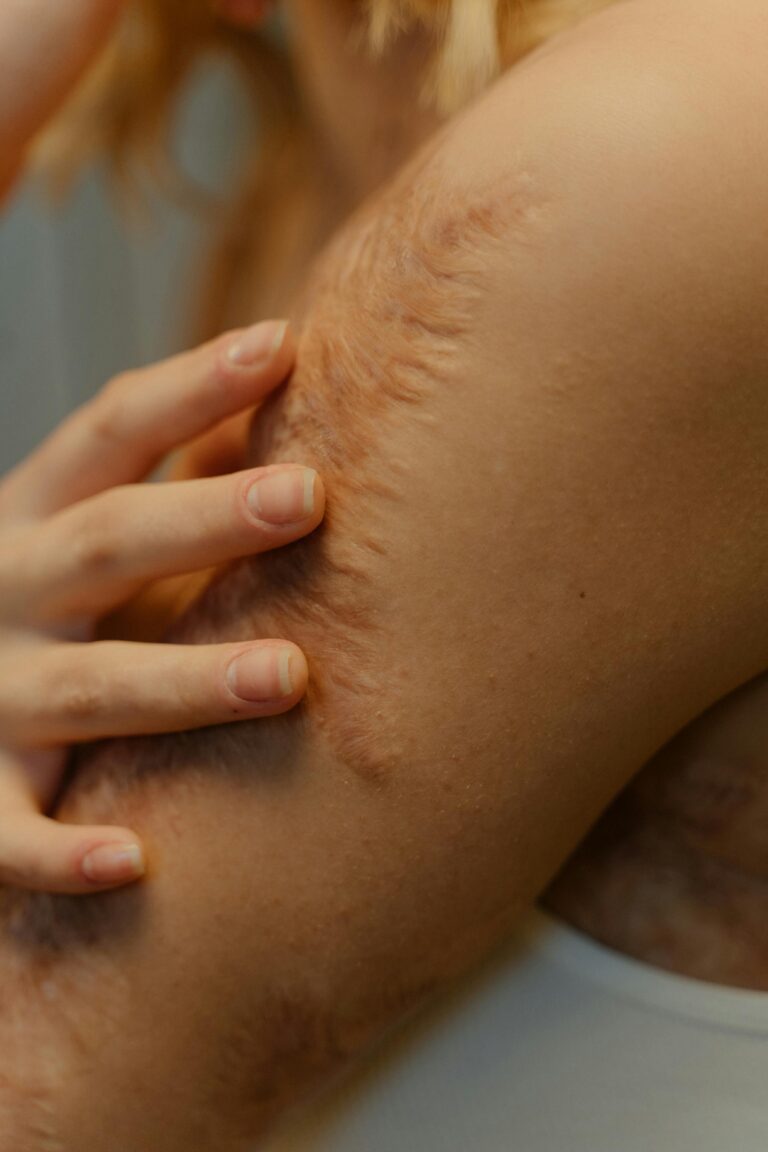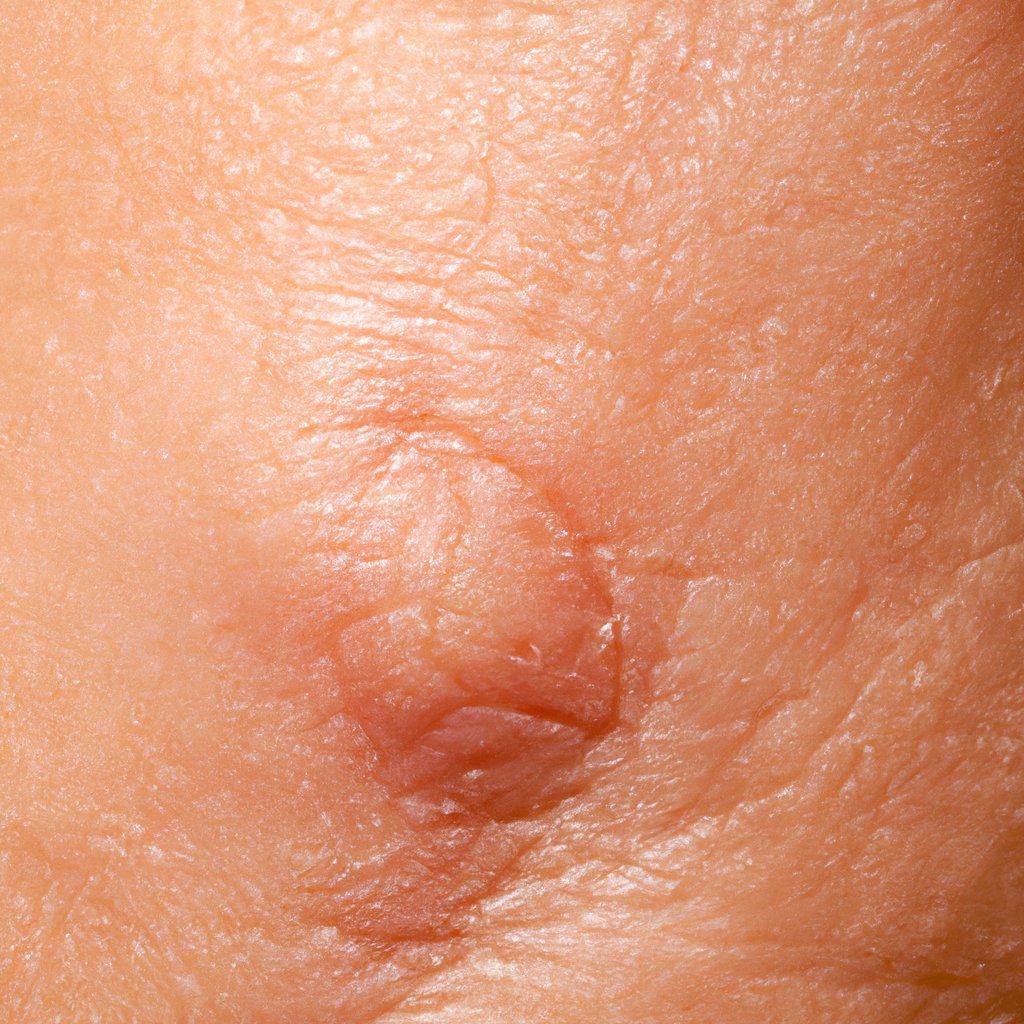
Have you ever noticed how a childhood scar seems to drift from its original spot, or how some people feel like their skin is pulling at them due to these marks? Recently, I stumbled upon a question on Reddit that got me thinking about scars: Why do we get scars that differ so much from normal skin, and why doesn’t our body just make regular skin when it’s healing?
It’s a question that might take us back to a memory of a childhood tumble or, in more severe cases, a serious injury. Either way, scars are a universal experience, and they tell quite a fascinating story.
The Basics of Scar Tissue
Before we dig into the “why,” let’s understand the “what.” Scar tissue is mostly collagen, a protein that’s crucial for the structural integrity of our skin, among other things. When you injure your skin, the body leaps into action to repair the damage. However, this repair process is a bit like speed dating for your skin – quick and not exactly focused on perfection.
During wound healing, the body needs to act fast to prevent infections and re-establish a barrier to protect what’s inside. So, instead of leisurely crafting beautiful, organized skin cells, it lays down collagen in a more haphazardly arranged pattern. This is the scar we see – functional but not exactly aesthetic, and definitely not identical to the original skin.
Why Can’t We Just Make New Skin?
Now, wouldn’t it be fantastic if our skin could regenerate perfectly every time we got a cut? Unfortunately, that’s not how biology plays out for us. Here’s why:
-
Efficiency Over Perfection: Evolution has taught our bodies to prioritize quick fixes to prevent issues like infections. So, it’s like using duct tape for a quick repair, rather than crafting a new piece from scratch.
-
Energy Conservation: Making perfect skin is an energy-intensive process. Quick scar formation requires less energy and resources, allowing our body to focus on other vital functions.
-
Evolutionary Context: Looking back, our distant ancestors wouldn’t have survived long periods where they were vulnerable to infections following cuts or wounds. So, a swift patch-up job, even if imperfect, became the evolutionary norm.
The Limitations of Scar Tissue: A Tight Embrace
Ever heard of contractures? They occur when scar tissue pulls the skin tight around joints, restricting movement. This can be especially problematic in severe burn cases. The tight, inflexible nature of scar tissue means it doesn’t grow or stretch like normal skin, sometimes causing functional impairment and requiring medical intervention.
Scar tissue’s rigidity is attributed to its collagen arrangement – instead of a neat weave like normal skin, scar tissue is all about dense, parallel bundles. This design trades elasticity and movement for strength.
A Glimpse into the Future: Could We Change Scar Formation?
Researchers are always exploring ways to encourage the body to regenerate more naturally. In recent years, scarless healing has become a burgeoning field of study. For example, incentives in stem cell research and advances in tissue engineering could, in the future, transform how we heal.
One promising lead comes from the study of fetal skin healing. Unlike adults, fetuses can completely regenerate skin without scar formation. Scientists believe this difference is due to specific growth factors and immune responses inherited in fetal environments.
Some companies are working on solutions inspired by these findings, such as applying growth factors or using special materials that can guide the healing process to mimic the one seen in fetuses. These technologies are still in development, but they bring hope for scar-free healing.
Closing Thoughts
Scars are a testament to our body’s wisdom, prioritizing swift protection over cosmetic perfection. While they’re a reminder of past events—be it a clumsy childhood fall or a more serious injury—they also underscore our body’s incredible ability to heal and adapt.
So next time you glance at a scar, remember it’s doing important work, even if it isn’t as pretty as we might like. And who knows? The future may hold solutions for those of us who’d rather unravel the story without the evidence etched onto our skin.
Grab your coffee, and here’s to ongoing discoveries in how we heal and the intricate wonders our ordinary invisible builders—the cells—perform without us even knowing.
About the Author