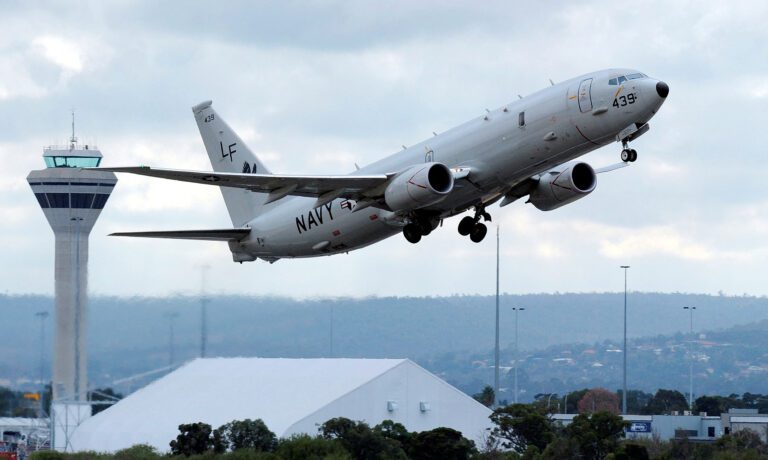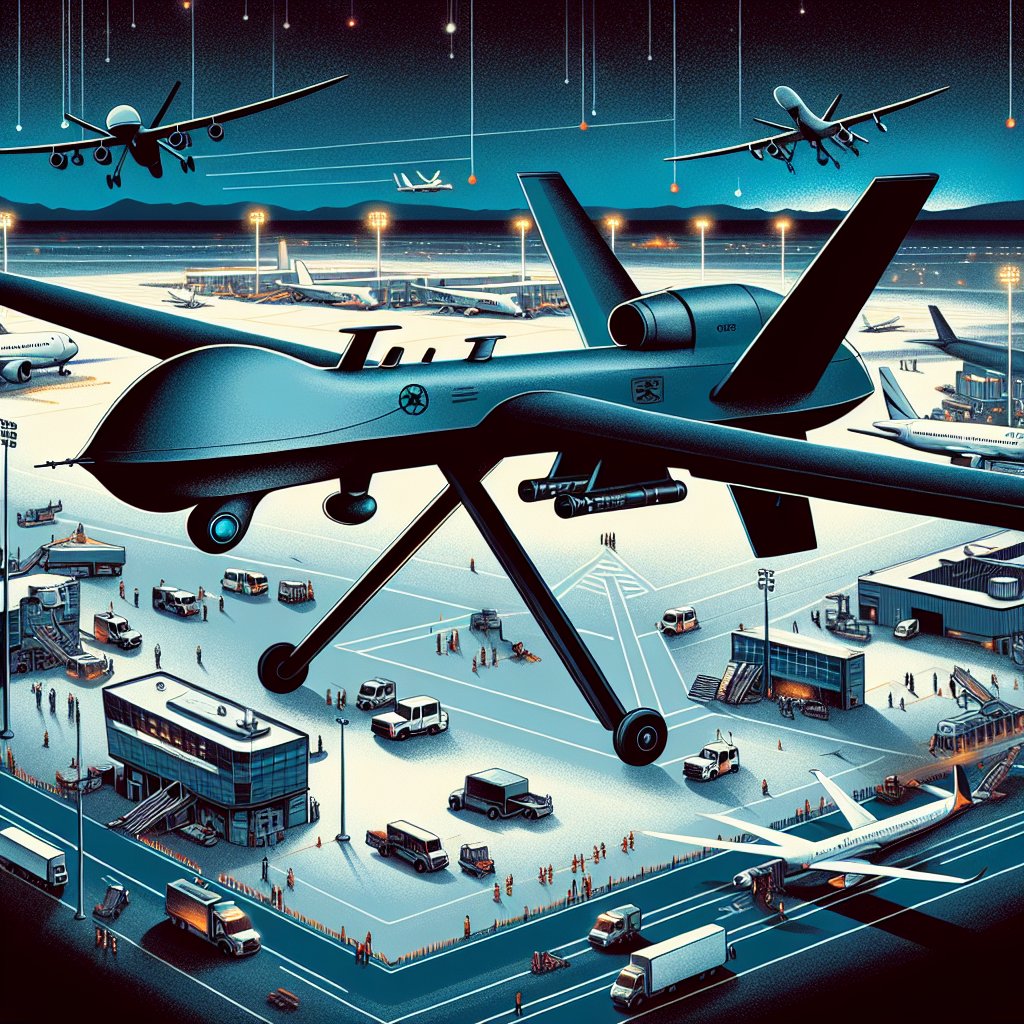
Even if you’re not a news junkie, you’ve probably noticed more chatter about drones lately. They’re no longer just cool gadgets for hobbyists. Drones are evolving rapidly and drawing a spotlight, and it’s not just for delivery pizzas or breathtaking aerial videos. Recently, they made headlines for a different reason—an attack that disrupted airports across Russia. It’s a topic that’s stirring discussions about the future of warfare and security worldwide. So, let’s grab a coffee and dive into this complex, slightly unnerving world of drone warfare.
Drones: A Modern Tool with Ancient Tactics
First, let’s unravel how drones fit into the grand scheme of military strategy. Although they sound sci-fi, drones are simply the newest iteration in a long history of evolved military tools. The concept of using remote devices to gather intelligence and strike isn’t new. Think of drones as 21st-century archers, only these archers can fly thousands of miles and engage with precision.
The ability of drones to carry out surveillance and precise attacks has changed contemporary warfare significantly. Their use in the Ukrainian conflict has been particularly notable. When these unmanned aerial vehicles (UAVs) reportedly targeted eight airports across Russia, it disrupted air travel and sent a clear message about the vulnerabilities of traditional military defenses.
What’s Behind the Attack?
It didn’t take long for experts to start analyzing the motivations and implications of such an attack. There are several angles to consider:
-
Strategic Disruption: By targeting airports, the attack aimed to create logistical challenges. Airports aren’t just passenger hubs; they’re crucial for military transport and operations.
-
Psychological Impact: There’s a psychological element too. Interruptions at airports spread fear and uncertainty among the population, which can be as impactful as the physical damage itself.
-
Testing Boundaries: Such events often test the limits of international response and the robustness of a nation’s air defense systems.
How Are Drones Changing Warfare?
Experts say we’re entering an era where drones could play key roles in conflicts worldwide. Here’s why:
- Cost-Effective Operations: Deploying a fleet of drones is substantially cheaper than maintaining traditional infantry or air units.
- Minimal Risk to Personnel: Since they’re unmanned, drones decrease the risk to human operators.
- Intelligence Gathering: Their ability to fly at high altitudes with advanced cameras makes them invaluable for reconnaissance.
These strengths make drones attractive to both government and non-state actors, including insurgency groups.
The Legal and Ethical Dimensions
Whenever technology advances rapidly, law and ethics struggle to keep pace. The use of drones raises significant questions:
- Sovereignty and International Law: Flying drones across borders without permission violates national sovereignty, but tracking accountability can be complicated.
- Civilian Safety: Ensuring drones don’t harm civilian infrastructure or populations is crucial but challenging.
- Weaponization Debate: The ease with which drones can be armed adds another layer of complexity to arms control agreements.
Final Thoughts: What Does This Mean for Us?
The potential of drones extends beyond warfare. Their innovation drives sectors like agriculture, film, and even disaster response. But as with all tools, the impact of drones hinges on who controls them and how they’re used.
Keeping abreast of these technologies and their implications is vital. It’s about understanding their dual-edge sword—one that could either pave the way for efficient world problem-solving or bring more contention.
Our relationship with technology is a fascinating dance between potential and peril. As drones buzz their way into more aspects of life, we should be keenly observing both the skies and the discussions surrounding this transformative tool.
**
About the Author