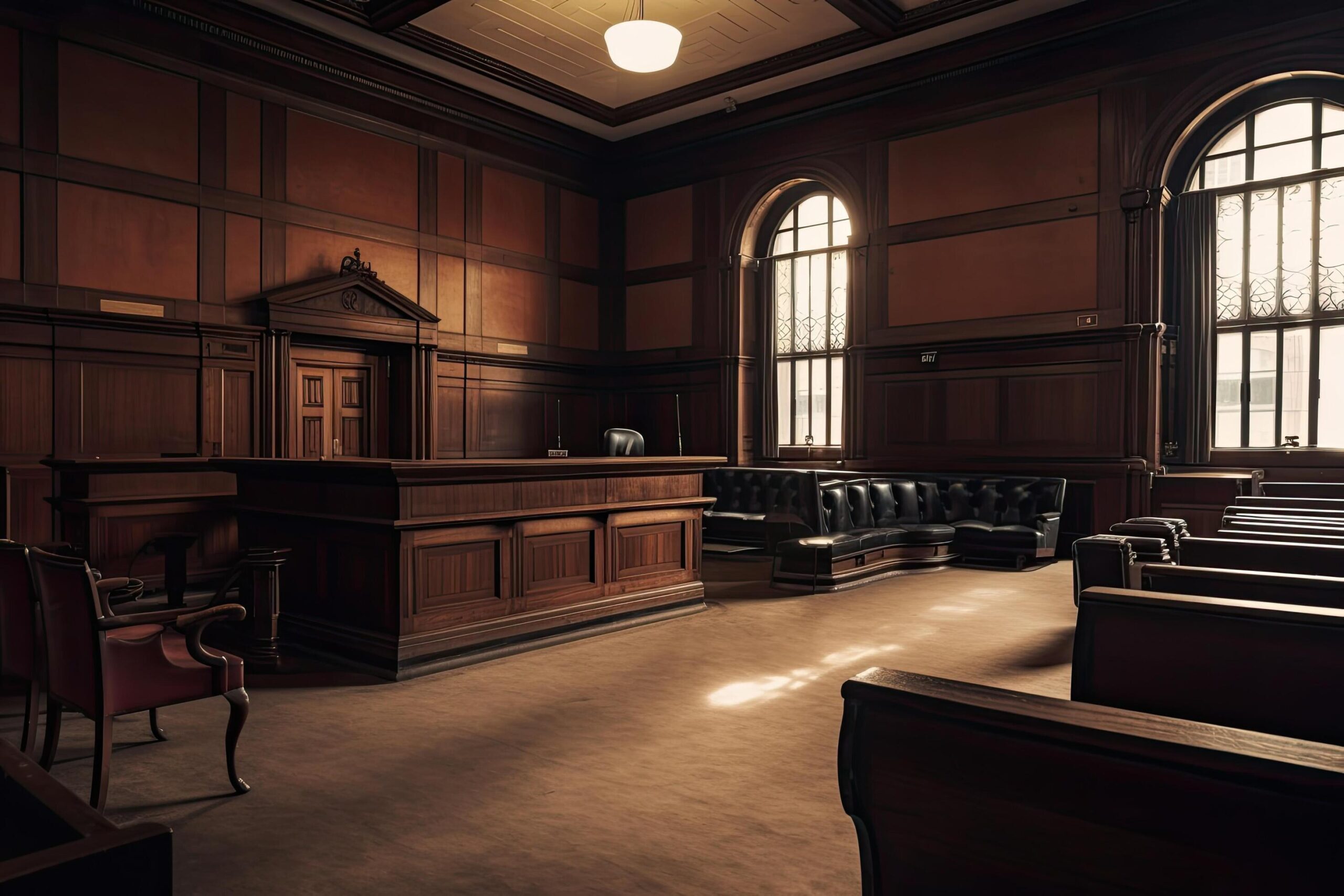
A winter wind rattled the courthouse windows as reporters shuffled outside the courtroom. The smell of cheap coffee and stale donuts lingered, mixing with the low hum of an old heater and distant sirens. It was just another icy morning in Anchorage.
Walking those halls, a veteran correspondent might note that justice often wears many masks. In cases like this one, emotion and law blur in complex ways. This isn’t just about one man’s fate. It’s another twist in the age-old debate over taking the law into your own hands, a conversation playing out from small-town Alaska to big-city newsrooms.
Jason Vukovich, 43, whose street name is “The Alaskan Avenger,” turned his anger into vigilante violence in June 2016. Court records and news accounts show he scoured Alaska’s public sex-offender registry for targets. Over five days, he broke into three men’s homes uninvited. Two victims were beaten with fists, and a third was slammed in the face with a hammer so hard that news reports say his skull fractured and he was knocked unconscious (apnews.com). The victims had legally registered their names and addresses after conviction; in effect, they’d gone through the system, served sentences and put themselves on the public map.
In a plea deal this February, Vukovich admitted guilt to first-degree attempted assault and a consolidated robbery charge. Prosecutors recalled one man’s account: the hammer blows left “lasting traumatic brain injury,” forcing him out of work and struggling daily (www.adn.com). The Anchorage Daily News described the moment of truth: one victim told the judge, “My life is changed forever,” after showing friends a still-missing fine motor control. For his part, Vukovich now says he “realize[d] … I had no business” beating those men and should have sought help before “I exploded.” He cited decades of childhood abuse – beatings and rape by his adoptive father, a history his big brother Joel Fulton painfully outlined for the court. Fulton, who now works in tech, admitted he’s still haunted by their past: “I’m never going to get better – never,” he said of the trauma they endured together. Both brothers ran away as teens; it’s a reminder that their story has always been as much about damage sustained as damage inflicted on others.
Despite that trauma, the judge had little mercy. Superior Court Judge Erin Marston handed Vukovich a 25-year prison term (with an additional 5 years’ probation) – slightly below the maximum under the plea deal (www.adn.com). She warned him bluntly that “vigilantism is not something we accept in America” and stressed that the registry exists for safety, not citizens to “do their own brand of justice” (www.adn.com). The judge noted how his victims had already come through the courts and were “complying with the law,” highlighting the contradiction in Vukovich’s actions: he called himself an “avenging angel,” yet he “had no business assaulting these individuals,” as he later confessed (www.adn.com) (www.adn.com).
Moments after the sentence, photographers caught an image of Vukovich flashing a broad grin as he looked at his brother. It’s a jarring sight. Was it nerves? Defiance? Relief that the ordeal was over? People on social media immediately reacted. One Anchorage teacher could barely believe what she saw. “My first thought was, ‘How can he be smiling?’ ” said Jane Rogers, 39, standing just outside the courtroom. “He says he was protecting kids, but you can’t go around bashing people with a hammer.” Her question hung in the winter air.
This case is far from straightforward. For some relatives of abuse victims, Vukovich’s actions almost felt justified, a tough-love swing at neglectful predators. Others fear this image of him is a dangerous myth – a convicted violent felon grinning as he heads to prison. A recent Reuters analysis of American attitudes underscores how divided people can be on vigilante justice; nationwide polls found many sympathize with people who “take matters into their own hands” in extreme cases, while nearly as many insist the rule of law must prevail. Such disagreement shows up in stories like this: one minute you see cruelty, the next you sense a twisted kind of freedom. Perhaps that split has nothing easy to do with right and wrong, but with darkness hiding in many hearts.
Face-to-face, in the cold courtroom light, it was hard not to play it out. Vukovich apologized on the stand (a move most criminals don’t make), even calling himself “stupid” for acting without help. Yet just an hour later he was flashing a grin like a Dirty Harry antihero in an old 1970s Western – lawbreaker or lawman, it was anyone’s guess. The contradictions pile up. He pleaded guilty, admitted the assaults, then turned around and, well, acted almost like he’d won or was about to. Maybe behind that grin there’s guilt, or maybe something like acceptance.
The details of Vukovich’s fate remain murky. Prosecutors say he’ll serve two decades or more, a sentence much longer than many offenders get. For perspective, Alaska’s Corrections Department records show he’s cycled in and out of jail for most of his life – with stints for drug crimes on his record as well (www.adn.com). Some online rumors even claimed he’d be eligible for release in just a few years, but fact-checkers on Snopes had to point out those posts were off-base. Sources suggest that under state law he might not see freedom until the 2030s, if he’s lucky – but exact calculations of “time served” versus good behavior aren’t public.
No single emotion seems to fit here. Did the system fail Vukovich? Many say yes – his own lawyer called him a broken man. Meanwhile the official story holds that even “broken” doesn’t excuse severe violence. We’re left asking a common, uneasy question: when betrayed kids become the ones in cuffs and a cage, who is helping whom? The larger culture is still grappling with that.
As we packed up outside the courthouse, the Alaska wind had picked up again. Justice march steadily on after the press departed. But in the memory of everyone who saw that photo, one thing lingers: he smiled. And nobody can say exactly why.
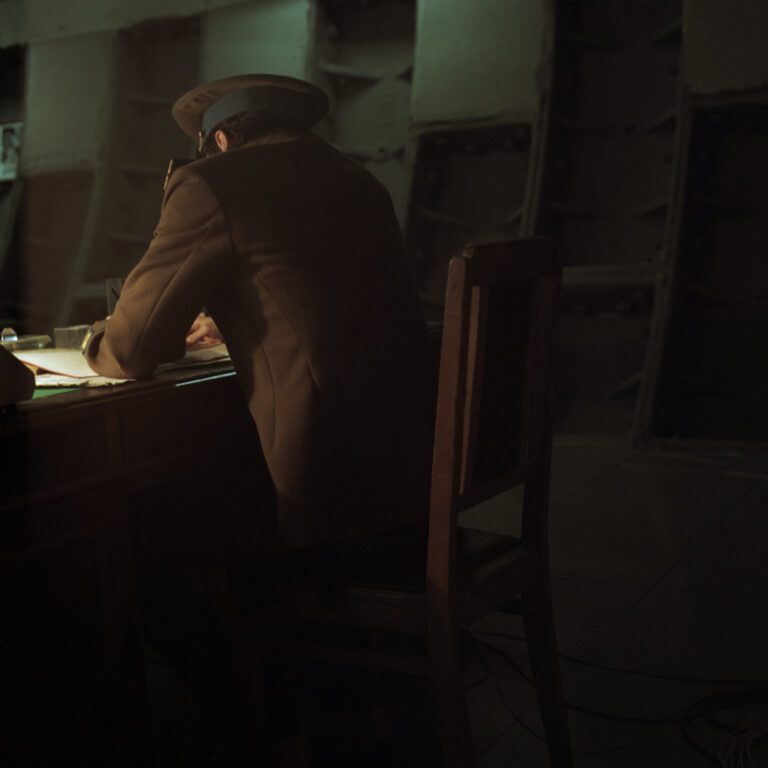
(Image credit: Stylized representation of the described scene. Not actual photograph of the individuals.)
About the Author